Uncooled LWIR VOx 640x512 / 12μm Thermal Imaging Camera Core for Wide Applications
Product Overview
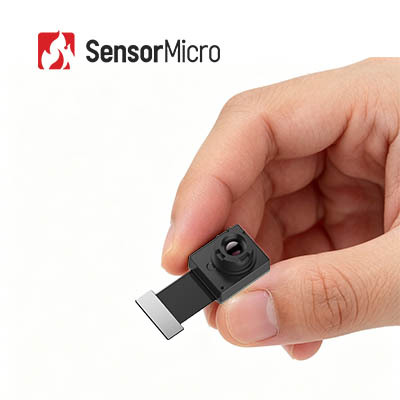
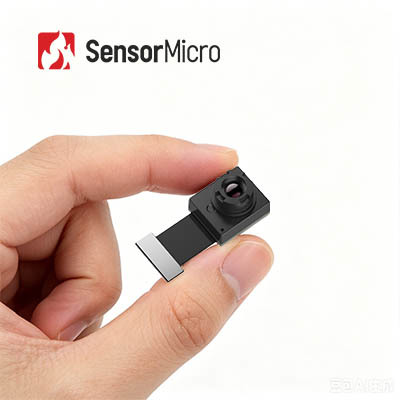
Built on the next-generation ApexCore 640×512/12μm wafer-level infrared detector, the iTL612 PLUS ultra-miniature camera core delivers professional-grade thermal imaging performance with optimized hardware architecture. It features ultra-compact physical specifications of 17.3×17.3×24.2mm (9.1mm lens included) and a 13.7±0.5g lightweight structure, paired with ultra-low power consumption as low as 0.65W, realizing industry-leading SWaP indicators. The module achieves ultra-high thermal sensitivity of ≤25mK, while upgraded proprietary image processing algorithms effectively optimize image details, contrast and clarity.
For system integration, it supports customizable lens configurations, multi-channel image output interfaces including DVP8, LVDS, MIPI, USB 2.0 and BT.656, as well as flexible RAW/YUV/Matrix-TEMP data output with serial port control, meeting diverse technical development demands.
Main Features
- Unmatched Lightness and Minimal Load: Ultra-miniature size: 17.3×17.3×24.2 mm (including 9.1 mm lens); Ultra-lightweight: 13.7±0.5g (including 9.1 mm lens); Ultra-low power consumption: As low as 0.65W
- Powered by ApexCore, More Sensitive and Clearer: Developed based on the next-generation ApexCore infrared detector, with thermal sensitivity as low as ≤25 mK; Enhanced with next-generation image processing algorithms for clearer imaging
- Easy Development & Seamless Integration: Multiple lens options available to suit various application scenarios; Supports multiple image output interfaces: DVP8, LVDS, MIPI, USB 2.0, and BT.656; RAW/YUV/Matrix-TEMP data output with serial port control
Product Specifications
| Model |
iTL612PLUS |
| IR Detectors Indicators |
- Sensitive Material: VOx
- Resolution: 640×512
- Pixel Size: 12μm
- Spectral Response: 8μm ~ 14μm
- Typical NETD: ≤25mK
|
| Image Processing |
- Digital Frame Rate: 25/30Hz/50Hz
- Start-up Time: ≤6s
- Digital Video: RAW/YUV/Matrix-TEMP
- Image Algorithm: NUC/3DNR/DNS/DRC/EE
- Image Display: 10 (Black Hot/White Hot/Pseudo Color)
|
| Electrical |
- Standard External Interface: 30Pin_HRS interface: DF40C-30DP-0.4V(51)
- MIPI External Interface: 34Pin_Panasonic Connector Interface: AXE634124
- Communication Interface: TTL-232/USB2.0
- Digital Video Interface: DVP8/LVDS/MIPI/USB2.0/BT.656
- Supply Voltage: 4.2-5.5V
- Typical Power Consumption: 0.65W
|
| Mechanical |
- Size (including lens): 17.3×17.3×24.2 (9.1mm lens); 17.3×17.3×30.2 (13mm lens); 17.3×17.3×38 (24mm lens); 17.3×17.3×54 (45mm lens)
- Weight (including lens): 13.7±0.5g (9.1mm lens); 17.9±0.5g (13mm lens); 27.3±0.5g (24mm lens); 51±0.5g (45mm lens)
|
| Environmental Adaptability |
- Operating Temperature: -40℃~+70℃
- Storage Temperature: -45℃~+85℃
- Humidity: 5%~95%, non-condensing
- Vibration: 5.35g, Random Vibration, 3-axis
- Impact: Half Sine Wave, 30g/11ms, Impact Direction X Axis, 3 times
- Certification: ROHS2.0/REACH
- Optical Lens: Fixed Focus Athermal: 9.1/13/24/45mm
|
Industrial Applications
- Forest Firefighting
- Power Maintenance
- Photovoltaic Inspection
- Security Monitoring
- Wearable Devices
- Portable Devices
About SensorMicro
As a world-leading manufacturer and service provider of infrared detectors, SensorMicro boasts years of profound experience in infrared thermal imaging solutions. Guided by the core philosophy of "SensorMicro, Sense More" and driven by user needs, we are dedicated to unlocking the full potential of infrared technology, delivering high-performance products and professional services to customers worldwide.
Frequently Asked Questions
What are the advantages of uncooled infrared detectors?
Uncooled infrared focal plane detector does not need cooled device, it can work at room temperature and has the advantages of fast start, low power consumption, small size, light weight, long life, low cost and so on.
What are the key considerations on an infrared detector / thermal module for your application?
Key considerations include: detector resolution, pixel size, NETD, image quality, lens options, power consumption, size and weight, mechanical & electrical interface, and budget.