Kevlar Gland Packing: Optimal Solution for Chemical Resistance and Abrasion Protection
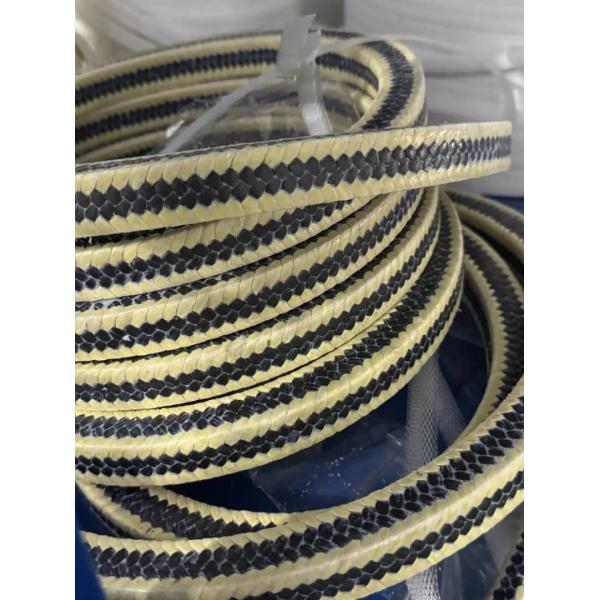
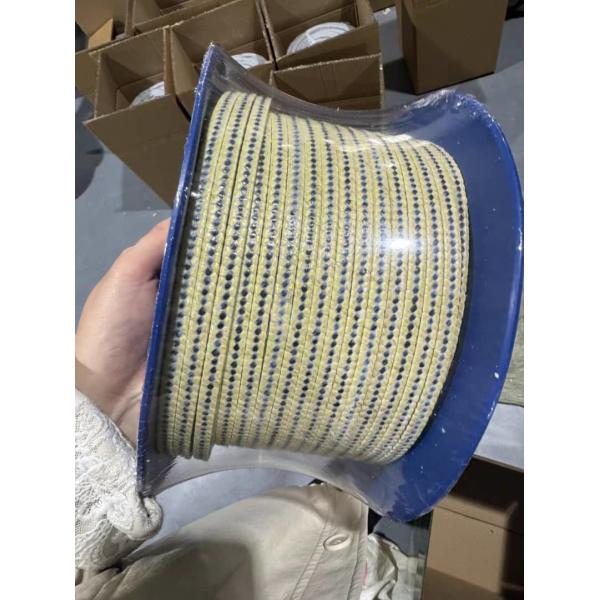
Kevlar gland packing is a high-performance mechanical sealant used to control leakage around rotating or reciprocating shafts in equipment like pumps, valves, and mixers. This specific application, where the packing is compressed in a "gland" or "stuffing box," is why it's often called gland packing.
It consists of braided fibers made from Kevlar® (a para-aramid synthetic fiber by DuPont), renowned for its incredible strength-to-weight ratio, thermal stability, and resistance to abrasion. It serves as a direct and superior replacement for older asbestos-based packings.
Key Advantages of Kevlar Gland Packing
- Exceptional Strength & Abrasion Resistance: High tensile strength (about 5x that of steel by weight) provides excellent resistance to extrusion under pressure and wear from shaft movement, resulting in longer service life in abrasive services like slurries.
- High-Temperature Performance: Operates continuously at temperatures up to 288°C (550°F), with short-term spikes up to 427°C (800°F), making it ideal for hot water, steam, and heat transfer fluids.
- Chemical Resistance: Resistant to most solvents, oils, and mild acids/alkalis (not recommended for prolonged exposure to strong mineral acids or strong caustics).
- Low Shaft Wear: Inherent lubricity creates less friction against the shaft, minimizing wear and power consumption while protecting expensive equipment components.
- Non-Sparking: Critical safety feature for explosive or flammable atmospheres where metallic packings could create hazardous sparks.
Common Constructions and Impregnations
- Kevlar/PTFE Impregnated: Most common type with Polytetrafluoroethylene for outstanding chemical resistance and extremely low friction. Excellent for a vast range of chemical services.
- Kevlar/Graphite Impregnated: Infused with graphite for superior performance in high-temperature steam and air applications, providing excellent lubricity and thermal conductivity.
- Kevlar with Synthetic Lubricants: Impregnated with high-temperature grease or other lubricants for general-purpose use with water, oils, and other media.
Typical Applications
- Centrifugal Pumps: For hot water, chemicals, hydrocarbons, and abrasive slurries
- Rotary Pumps: In chemical transfer and hydraulic systems
- Valves: Especially steam valves, gate valves, and control valves
- Agitators and Mixers: Where shaft movement and abrasive media are present
- Marine Equipment: Onboard ships for various pump and valve applications
Installation & Break-In Procedure
Proper installation is critical to maximizing performance and service life.
- Clean Thoroughly: Remove all old packing rings and clean the stuffing box and shaft/sleeve.
- Measure & Cut: Measure shaft diameter and stuffing box bore. Cut new rings on a 45-degree angle (skive cut). Stagger the joints 90° or 180° around the shaft for each ring.
- Install Carefully: Use a split mandrel or proper sizing tool to avoid twisting or deforming the rings. Seat each ring firmly using a tamping tool before adding the next.
- Initial Gland Adjustment: Hand-tighten the gland follower nuts evenly.
- The Break-In Period (Most Important Step):
- Start the equipment
- Gradually tighten the gland follower in small increments (e.g., 1/6 of a turn) every 10-20 minutes
- Allow a slight weep of fluid (a few drops per minute) to cool and lubricate the packing
- Never overtighten to stop all leakage immediately, as this will generate excessive friction heat
- Final Adjustment: After the packing has run-in (several hours), adjust for minimal controlled leakage.
Advantages vs. Disadvantages
| Advantages |
Disadvantages |
| Long service life, reducing downtime |
Higher initial cost than basic packings |
| Reduces shaft/sleeve wear |
Requires a proper break-in procedure |
| Excellent for abrasive services |
Not suitable for strong acids/alkalis |
| High-temperature capability |
Can be damaged by UV light (not an issue in a gland) |
| Non-sparking and safe for hazardous areas |
|
| Replaces hazardous asbestos packing |
|
Conclusion
Kevlar gland packing is a high-performance sealing solution designed for demanding conditions where standard packings like graphite, flax, or pure PTFE fail. Its superior strength, temperature rating, and abrasion resistance make it an excellent choice for extending equipment life and reducing maintenance costs in challenging applications across chemical processing, power generation, mining, and water treatment industries.
Always consult the manufacturer's guidelines for compatibility with your specific fluid, temperature, and pressure requirements.