Frequently Asked Questions
What is the primary application of the JMK mechanical seal?
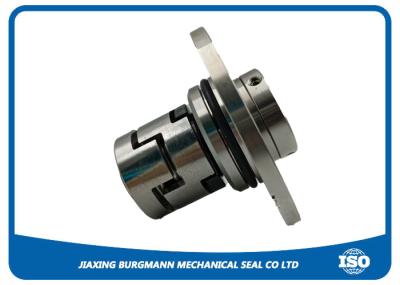
The JMK seal is engineered specifically for Grundfos CR series multi-stage centrifugal pumps. It is designed to handle clean, thin, non-aggressive fluids like water, making it suitable for applications in domestic water systems, pressure boosting, and industrial circulation.
What are the typical face materials used in the JMK seal, and why?
The standard configuration typically features a rotating face of Silicon Carbide (SiC) and a stationary seat of reaction-bonded Silicon Carbide. This material combination offers superior hardness, excellent thermal conductivity, and outstanding corrosion resistance, ensuring long-term reliability and minimal wear in clear water applications.
Is the JMK seal a cartridge or component seal?
The JMK is a component-type mechanical seal. It requires precise installation and setting of the individual components (e.g., rotating face, spring, stationary seat) directly onto the pump shaft and into the seal housing, as opposed to a pre-assembled cartridge unit.
What is the key differentiating factor of the JMK design for CR pumps?
A key feature is its balanced design. This design mitigates the effects of higher pump chamber pressures, preventing premature face opening and excessive wear. This is critical for maintaining seal integrity across the various stages and operating pressures of a CR pump.
How do I determine the correct JMK seal variant for my pump?
The correct variant is determined by the specific CR pump model (e.g., CR 5, CR 32) and the pump's shaft diameter. Always cross-reference the JMK part number (e.g., JMK-12 for a 12mm shaft) with the OEM's parts list for your pump's serial number to ensure compatibility.
What are common symptoms of a failing JMK mechanical seal?
Primary indicators include persistent visible leakage from the seal gland area, crystallization or mineral deposit buildup around the seal faces, and unusual noises from the pump seal chamber, potentially indicating face damage.
Can I use the JMK seal with fluids other than water?
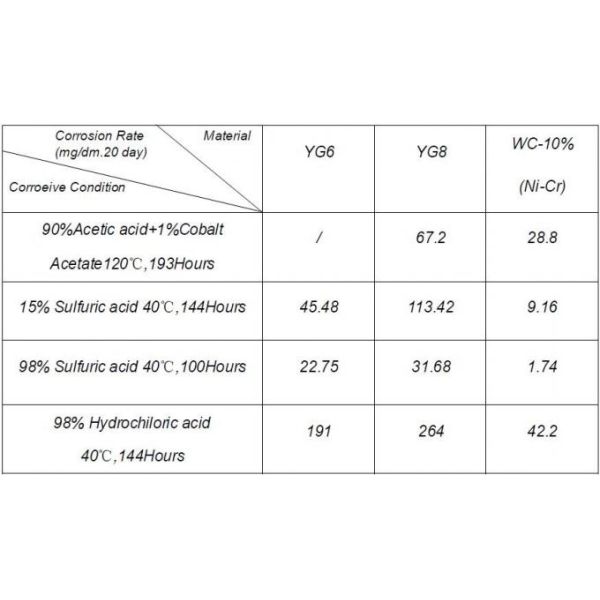
The standard JMK seal with SiC/Carbon faces is for clean, non-aggressive fluids. For alternative media like mildly aggressive fluids or glycol mixtures, consult the manufacturer's chemical resistance charts, as alternative elastomers (like EPDM instead of Nitrile) or face materials may be required.
What is the importance of the elastomer bellows in the JMK seal?
The elastomer bellows (typically Nitrile) serves multiple functions: it acts as a static seal on the shaft, accommodates minor axial and angular misalignment, and provides a spring-loaded force to maintain contact between the primary seal faces during operation and thermal expansion.