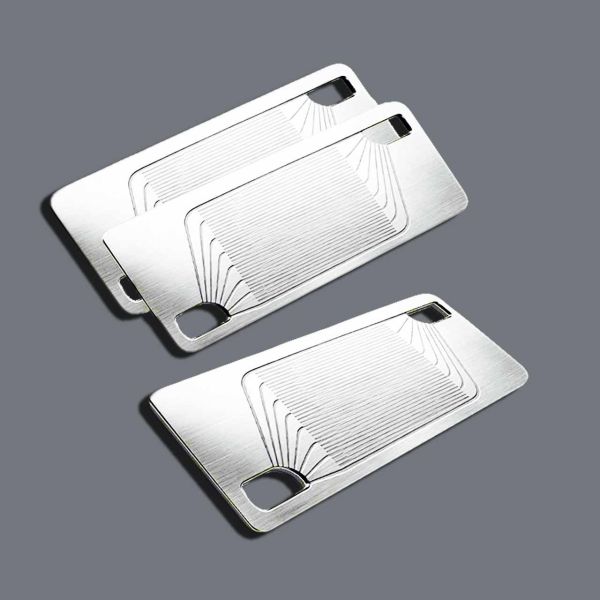
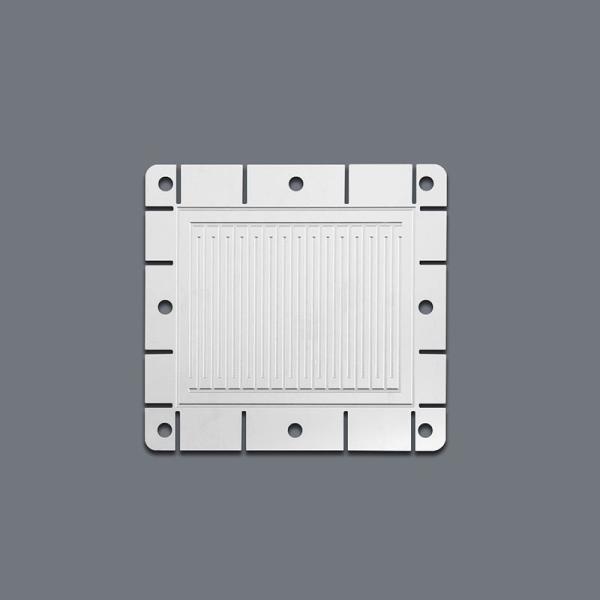
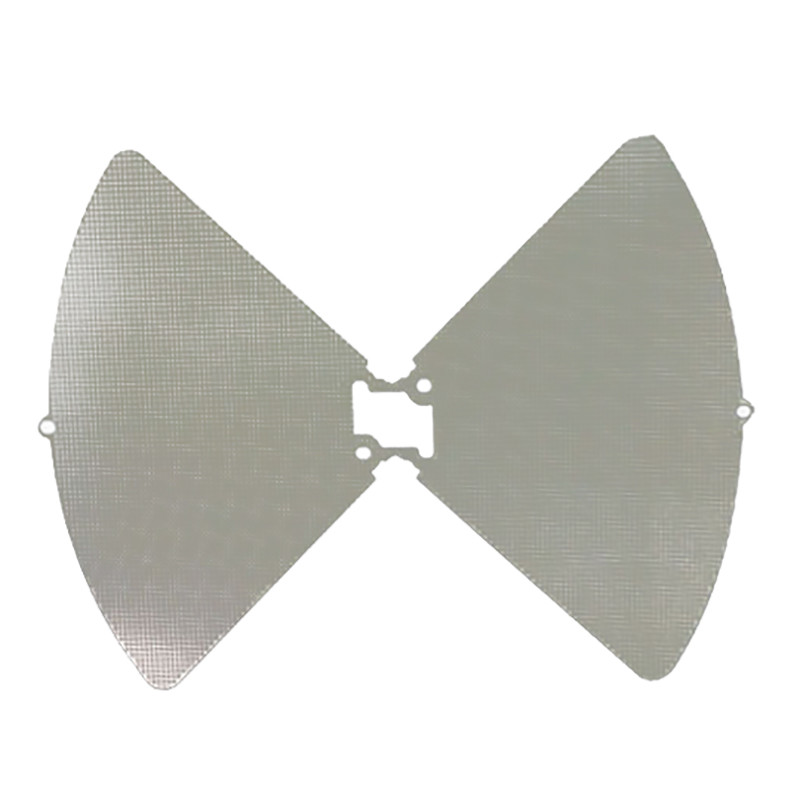
Photo Chemical Nickel Etching Bipolar Plate with 0.5-3mm Thickness
Nickel etching is a specialized photochemical machining process that selectively removes nickel or nickel-alloy material to produce precise, burr-free metal parts. It is ideal for creating thin, complex fluidic geometries with exacting tolerances for electrochemical applications.
Our chemically etched nickel bipolar plates (BPPs) are engineered for demanding applications in hydrogen fuel cells, flow batteries, and electrolyzers. Manufactured from corrosion-resistant nickel alloys, they feature precisely formed flow fields, gas channels, and sealing lands that optimize fluid distribution, thermal management, and electrical conductivity.
Precision Flow Channels: Uniform, repeatable channel geometries ensure consistent fluid/gas distribution.
Corrosion-Resistant: Nickel material offers excellent durability in harsh electrochemical environments.
Burr-Free & Smooth: No mechanical stress ensures clean edges and channels, preventing blockages.
Design Flexibility: Easy customization of channel depth, width, and pattern without hard tooling.
High Conductivity: Maintains excellent electrical performance across the plate surface.
Bipolar Plate Specification
| Parameter | Specification |
|---|---|
| Material | Pure Nickel & Nickel Alloys,etc. |
| Thickness Range | 0.5mm – 3mm |
| Tolerance | ±0.01mm |
| Etching Precision | High-resolution, burr-free edges |
| Plate Size | Up to 1800mm x 650mm |
![]() |
![]() |
![]() |
![]() |
![]() |
![]() |
Fuel Cells: Used in hydrogen fuel cell stacks for automotive, stationary power, and portable power systems.
Electrolyzers: Components for green hydrogen production through water electrolysis.
Battery Technology: Flow battery components for large-scale energy storage.
CO₂ Reduction / Electrochemical Reactors: Custom flow field plates for research & industrial systems.
FAQ
Q1: Why choose etching over stamping for bipolar plates?
A: Etching produces burr-free and stress-free plates. Stamping can create micro-stress and burrs that may puncture the membrane in a fuel cell stack, leading to failure. Etching also allows for easier design modifications without the high cost of new stamping dies.
Q2: What is the maximum size you can produce?
A: While we specialize in precision micro-parts, we can accommodate various panel sizes. Please contact us with your specific dimensions to confirm feasibility.
Q3: Can you handle high-volume orders?
A: Yes. We are equipped to manage sudden, large-volume orders while maintaining high precision and strict quality control, ensuring consistent uniformity across every plate.
Q4: What materials do you recommend for bipolar plates?
A: We commonly use stainless steel (316L) for its excellent corrosion resistance and conductivity, as well as titanium for applications requiring superior durability and lightweight properties.
Q5: How do I get a quote?
A: Please send your design files (DXF or CAD) and specifications to our sales team. We typically provide feedback within 24 hours.

Welcome to contact us at any time!