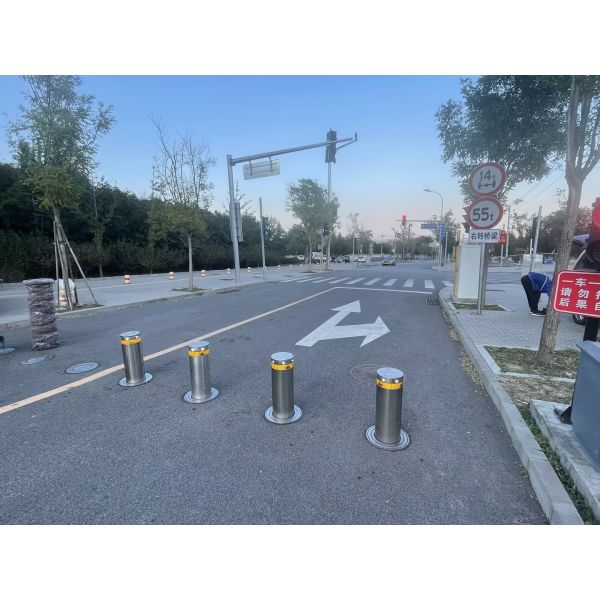
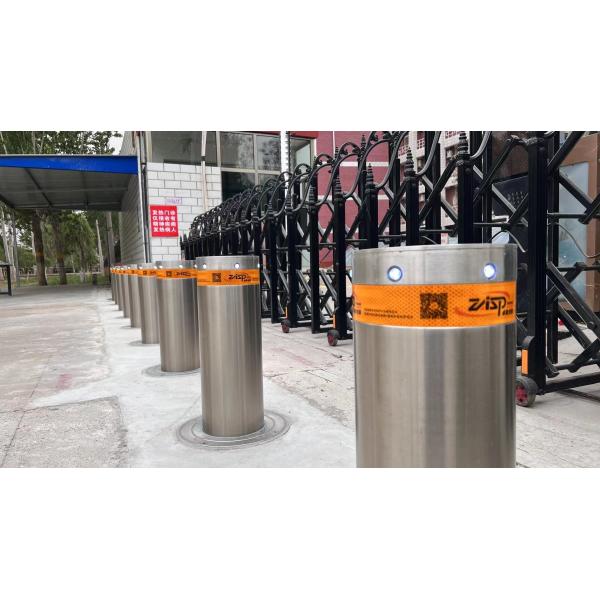
Automatic Security Traffic Bollards for Vehicle Access Control
Professional Installation Guide
Installing automatic rising bollards requires electrical, mechanical, and hydraulic expertise. Follow this comprehensive installation process:
Site Assessment & Preparation
- Survey the Area: Ensure level ground and verify no underground utilities (gas, water, electrical lines)
- Mark the Area: Clearly designate bollard installation locations
- Obtain Permits: Secure necessary approvals from local authorities for compliance
Foundation Preparation
- Excavation: Dig hole 1.0-1.5 meters deep, 0.5-1 meter wide per manufacturer specifications
- Install Drainage: Add gravel or drain pipe to prevent water accumulation
Electrical & Control System Setup
- Run Electrical Cables: Install underground conduit and wiring to bollard location
- Install Control Box: Position in accessible location with automation system and manual override
Bollard Installation
- Place Bollard: Carefully lower into foundation, ensuring proper alignment
- Connect Power: Wire bollard mechanism following manufacturer diagrams
- Hydraulic Connection: Connect hydraulic lines for applicable models
Concrete Pouring & Securing
- Fill with Concrete: Pour around bollard without covering moving parts
- Curing Time: Allow 24-48 hours for concrete to set completely
Testing & Calibration
- Initial Power-Up: Test raising and lowering functionality
- Adjust Settings: Calibrate sensors and timers for site requirements
- Emergency Features: Verify manual override systems operate correctly
Final Inspection & Safety
- Comprehensive Inspection: Check all electrical connections and seals
- Safety Measures: Install warning lights, alarms, and appropriate signage
Maintenance Planning
Establish regular inspection and servicing schedule for hydraulic systems, sensors, and control mechanisms to ensure long-term reliability.
Technical Specifications
| Model Number |
HA101-600 |
| Certification |
CE, IP 68, SGS |
| Dimension |
φ400*1150mm |
| Bollard Diameter |
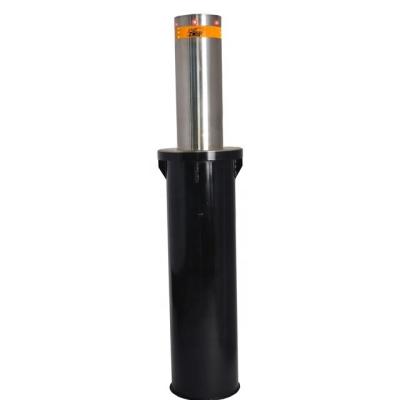
217±1mm (customized for 271mm diameter) |
| Bollard Thickness |
6±1mm |
| Height Above Ground |
600mm (customized for 700-800-900-1000mm height) |
| Rising Time |
3.8s |
| Protection Level |
IP68 |
| Working Temperature |
-40℃ ~ +70℃ |
| Color |
Customized |
Understanding Hostile Vehicle Mitigation Barriers
Hostile Vehicle Mitigation (HVM) barriers are physical security devices designed to prevent or mitigate deliberate vehicle attacks, including ramming attacks and unauthorized vehicle access to secured areas. These engineered barriers stop vehicles from breaching perimeters by either halting or significantly slowing them down. HVM barriers protect high-risk sites, public spaces, critical infrastructure, and events from vehicle-borne threats.
Why Choose ZASP for Your Security Needs
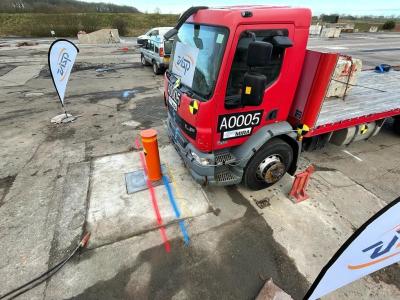
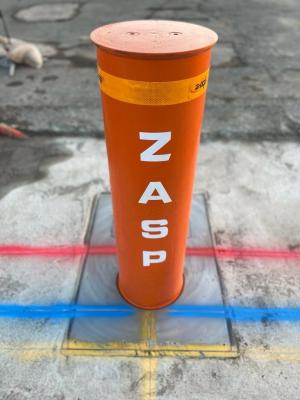
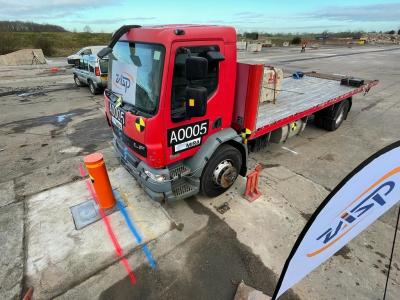
ZASP is the ONLY Chinese supplier who has passed the impact test in the UK by MIRA, demonstrating our commitment to quality and safety standards.
Our Comprehensive Product Range
- K4/K12 Standard Products: Shallow Mount Road Blockers, Fixed Bollards, Automatic Bollards
- Additional Security Solutions: Removable Bollards, Rising Beam Gates, Semi-Automatic Bollards
- Specialized Equipment: Manual Bollards, Tyre Killers, Modular Vehicle Barriers
As professional manufacturers of HVM barriers, we provide reliable, tested security solutions for demanding applications worldwide.