Product Description:
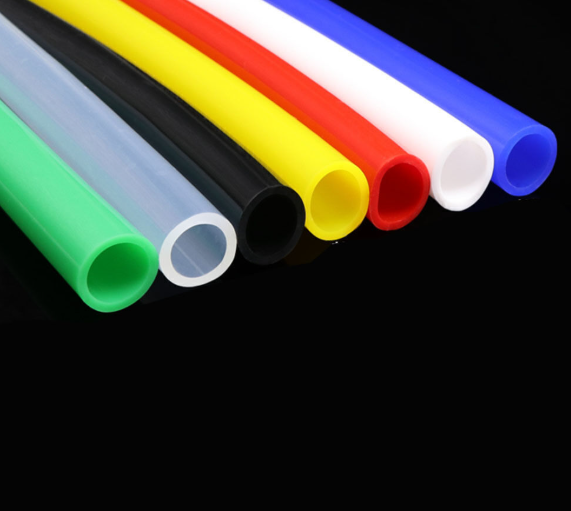
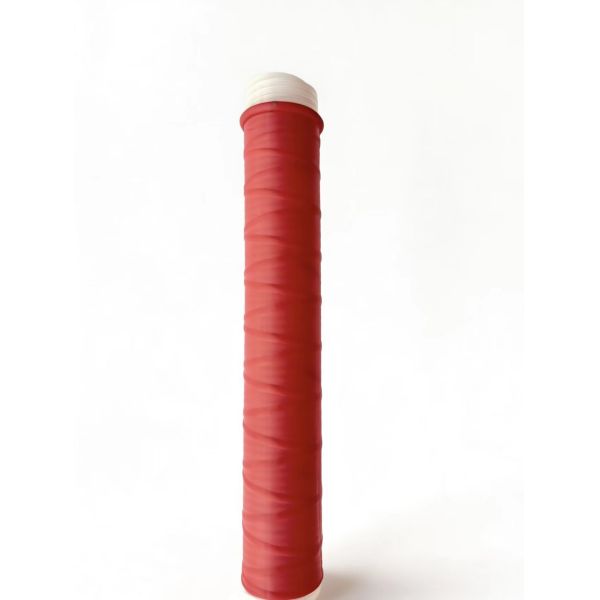
This 1.7:1 silicone heat shrink tube is made of silicone rubber and polymer elastomer through radiation modification, with a stable core heat shrinkage ratio of 1.7:1 and a shrinkage temperature of 150℃~175℃. It can work stably for a long time in the temperature range of -55℃ to 200℃. Complying with RoHS environmental standards and free of harmful impurities, the product has excellent temperature resistance, acid and alkali resistance, corona resistance, as well as good flexibility, flame retardancy and mildew resistance. Its inner wall is smooth, fitting closely without wrinkles after shrinkage. With a volume resistivity of ≥2×10¹³Ω.cm and reliable insulation performance, it can be customized in colors such as black, gray and rust red and various specifications, adapting to the protection of different sizes of cables. Easy to install, it is widely used in medium and low voltage scenarios, with both protection and practicality.
Features:
- Product Name: Silicone Rubber Tubing
- Shrinking Ratio:1.7:1
- Operating Temperature: -55℃ to 200℃
- Inner Diameter: Varies from 1mm to 70mm
- Voltage Ratings: 1.5KV, 2.5KV, 4KV, 7KV
- Corrosion Resistance: Excellent
- Made from heat resistant Rubber material
- Functions as a reliable silicone rubber fire sleeve for high temperature applications
- silicone rubber for enhanced durability and insulation
- Silicone rubber Hose ensures excellent heat and electrical resistance
Technical Parameters:
| Wall Thickness |
1mm To 3mm |
| Insulation Voltage |
Up To 600V |
| Aging Resistance |
Excellent |
| Temperature Range |
-60°C To 200°C |
| Material |
Fiberglass With Silicone Coating |
| Corrosion Resistance |
Excellent |
| Service |
OEM ODM |
| Tear Strength |
Excellent |
| Rated Temperature |
200°C |
| Lead Time |
2 days |
Applications:
With its precise shrinkage ratio and excellent comprehensive performance, the 1.7:1 silicone heat shrink tube is widely used in various industries. In the electronic and electrical field, it is used for insulation protection of cable terminals, joints and branches, adapting to small electronic instruments and internal wire harnesses of home appliances. In the automotive and new energy fields, it is used for protection of engine peripheries and battery pack wire harnesses, resisting high-temperature oil pollution and vibration loss. In the aerospace and military vehicle fields, it is suitable for cable protection of ships and high-speed rail equipment, withstanding extreme environments. In the medical field, it is used for insulation of wires of small medical equipment, meeting the requirements related to biocompatibility. In addition, it is also applied in industrial motors, mechanical equipment and other scenarios, providing moisture-proof, wear-proof and corrosion-proof protection for cables, adapting to the needs of various complex working conditions.