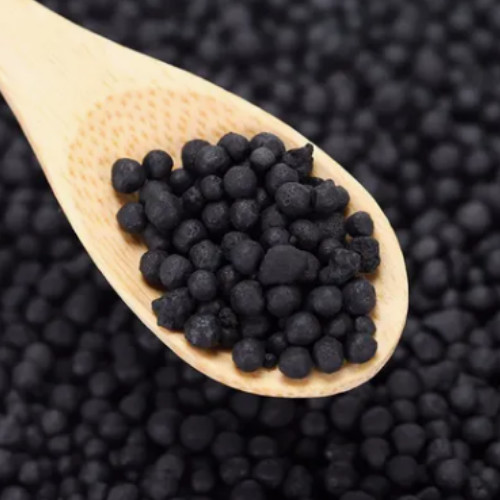
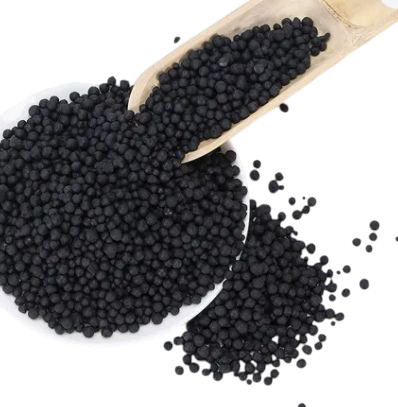
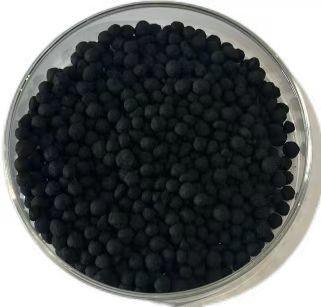
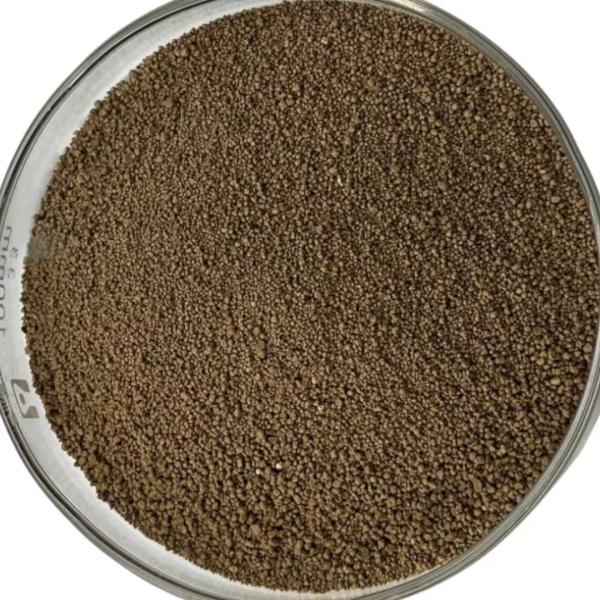
Our Amino Acid granules are solid granular fertilizer refined from hydrolyzed and fermented animal & plant protein raw materials, compounded with trace elements and organic carriers. The finished product presents black & brown smooth particles with zero mechanical impurities, featuring fast absorption and multi-functional crop regulation.

Main Agricultural Functions of This Product
This amino acid granule contains more than 17 kinds of plant-available free amino acids (such as glutamic acid and proline). As an organic nitrogen source, it can be directly absorbed by crop roots and foliage without soil microbial transformation. It replenishes nitrogen nutrients while preventing nutrient immobilization in soil, boosting nitrogen use efficiency by 30%–40%.
Specific amino acids (glycine, alanine included) participate in chlorophyll synthesis and enzyme activation, lifting photosynthetic efficiency by 15%–25%. Tryptophan induces endogenous auxin biosynthesis and shortens the crop growth cycle; for instance, tomato ripening stage can be advanced by 5–7 days.
Proline and cysteine regulate cellular osmotic pressure to strengthen drought resistance (leaf relative water content rises by 20%) and saline tolerance (sodium ion efflux efficiency increases by 30%). Methionine reinforces cell wall toughness and reduces the incidence of pathogen infection.
Main Functions for Aquaculture Application
The amino acid granules supply stable nitrogen source with a C/N ratio ranging from 8:1 to 12:1, stimulating the propagation of diatoms and rotifers. A favorable algae phase can be formed within 3–5 days with an algal density of 200,000–300,000 cells/mL, serving as natural opening feed for fry and fingerlings
It chelates heavy metals in water bodies with a complexation rate of ≥60% for copper and zinc, and reduces ammonia nitrogen toxicity by lowering free NH₃ concentration by 0.2–0.5 mg/L. Glycine regulates cellular osmotic pressure and alleviates stress responses of shrimps and fish.
Arginine accelerates chitin synthesis in crustaceans, cutting the soft-shell rate by 30%. Lysine boosts lysozyme activity, lowering the incidence of white spot syndrome virus (WSSV) in shrimp by 25%.
It compensates the deficiency of limiting amino acids (lysine, methionine, etc.) in grain feed and improves protein deposition efficiency, reducing the feed conversion ratio (FCR) of broilers by 0.15–0.2.
Glutamic acid derivatives repair intestinal mucosa and cuts piglet diarrhea incidence by 30%. Tryptophan modulates neurotransmitter secretion to relieve stress of livestock and poultry, lowering post-transport mortality by 50%.
Arginine facilitates placental angiogenesis, increasing the litter size of sows by 1–2 piglets. Methionine lifts the laying rate of laying hens by 5%–8% and thickens eggshell thickness by 0.02–0.03 mm.
Add 0.2%-0.3% amino acid granules to the diet, the egg breakage rate is reduced by 2%, and the yolk color is deepened (Roche color +2 level).
Add 0.5% during the fattening period, the weight reaches 2.8-3.0kg at 42 days of age, and the breast muscle rate increases by 3%.
Add 50-80g/head daily during the lactation period, the milk protein rate increases by 0.15%-0.2%, and the incidence of ketosis decreases by 40%.
Supplement rumen methionine (10g/head·day) during the fattening period, the daily weight gain increases by 8%-10%, and the marbling score improves.