Specifications
Packaging Details :
Customized
Delivery Time :
5-8 days
Payment Terms :
L/C,T/T
MOQ :
100kg
Model NO. :
C7H6O5
CAS Number :
149-91-7
Unii :
632xd903sp
Molecular Formula :
C6h2(Oh)3cooh
Appearance :
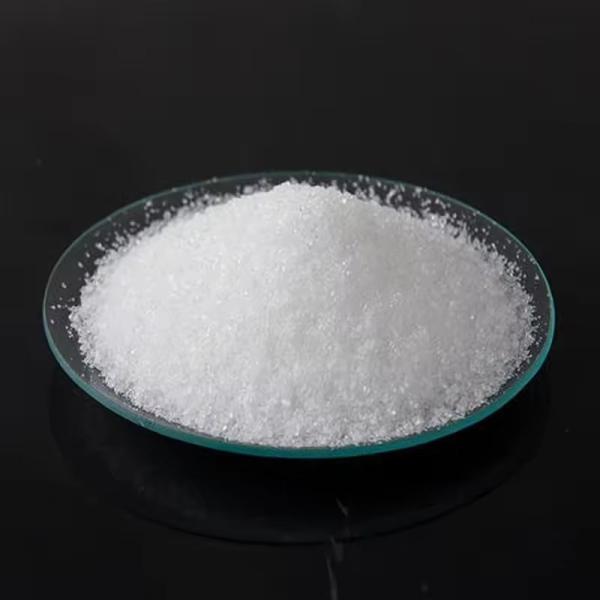
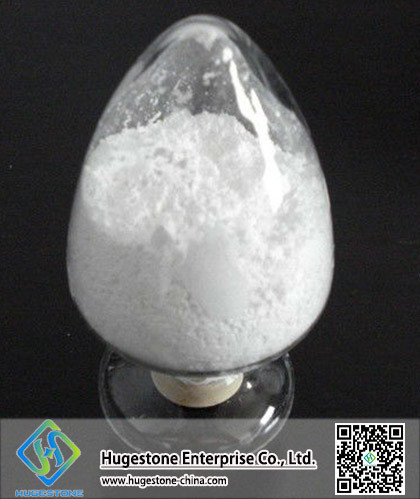
White, Yellowish-White, or Pale Fawn-Colored Cryst
Density :
1.694 g/cm3 (Anhydrous)
Acidity (Pka) :
Cooh: 4.5, Oh: 10.
Transport Package :
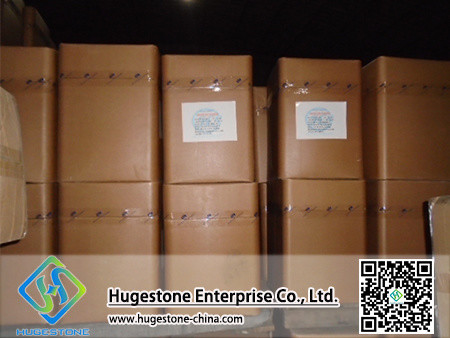
25kg/Bag
Specification :
C6H2(OH)3COOH
Trademark :
Hugestone
Origin :
Jiangsu
HS Code :
29182900
Nutritional Value :
Nutritional
Certification :
BRC, ISO, FDA, HACCP
Packaging Material :
Paper
Storage Method :
Normal
Shelf Life :
>12 Months
Type :
Gallic Acid
Description
Gallic acid is a trihydroxybenzoic acid, a type of phenolic acid, a type of organic acid, also known as 3,4,5-trihydroxybenzoic acid, found in gallnuts, sumac, witch hazel, tea leaves, oak bark, and other plants. The chemical formula is C6H2(OH)3COOH. Gallic acid is found both free and as part of hydrolyzable tannins.

Salts and esters of gallic acid are termed 'gallates'. Despite its name, it does not contain gallium.

Gallic acid is commonly used in the pharmaceutical industry. It is used as a standard for determining the phenol content of various analytes by the Folin-Ciocalteau assay; results are reported in gallic acid equivalents.Gallic acid can also be used as a starting material in the synthesis of the psychedelic alkaloid.

Historical context and uses
Gallic acid is an important component of iron gall ink, the standard European writing and drawing ink from the 12th to 19th century with a history extending to the Roman empire and the Dead Sea Scrolls. Pliny the Elder (23-79 AD) describes his experiments with it and writes that it was used to produce dyes. Galls (also known as oak apples) from oak trees were crushed and mixed with water, producing tannic acid. It could then be mixed with green vitriol (ferrous sulfate) - obtained by allowing sulfate-saturated water from a spring or mine drainage to evaporate - and gum arabic from acacia trees; this combination of ingredients produced the ink.

Gallic acid was one of the substances used by Angelo Mai (17821854), among other early investigators of palimpsests, to clear the top layer of text off and reveal hidden manuscripts underneath. Mai was the first to employ it, but did so "with a heavy hand", often rendering manuscripts too damaged for subsequent study by other researchers.

George Washington used gallic acid to communicate with spies[clarification needed] during the American Revolutionary War, according to the miniseries America: The Story of Us.

Gallic acid is a component of some pyrotechnic whistle mixtures.
Send your message to this supplier
Send Now

White Gallic Acid C6H2 OH 3COOH CAS 149-91-7 For White Products

Ask Latest Price
Packaging Details :
Customized
Delivery Time :
5-8 days
Payment Terms :
L/C,T/T
MOQ :
100kg
Model NO. :
C7H6O5
CAS Number :
149-91-7
Contact Supplier
White Gallic Acid C6H2 OH 3COOH CAS 149-91-7 For White Products

Hugestone Enterprise Co., Ltd.

Verified Supplier
2 Years
nanjing
Since 1992
Business Type :
Manufacturer
Total Annual :
3000000-5000000
Employee Number :
120~150
Certification Level :
Verified Supplier
Contact Supplier
Submit Requirement