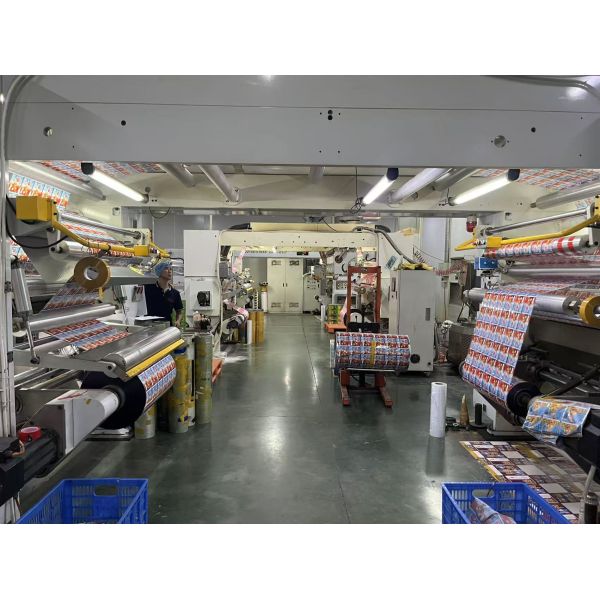
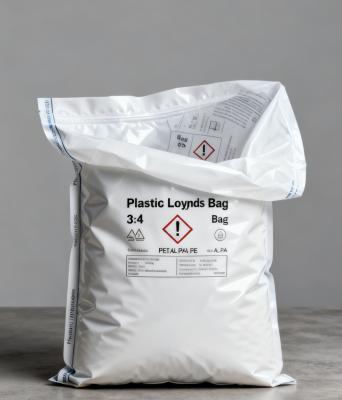
Material Breakdown: PET/AL/PA/PE Multi-Layer Structure
The PET/AL/PA/PE composite design integrates four specialized layers, each selected for its unique properties to deliver unmatched protection and durability. Here’s a detailed breakdown of each material and its role in the bag’s performance:
1. PET (Polyethylene Terephthalate) – Outer Layer
- Properties: PET is a high-strength polyester with excellent rigidity, dimensional stability, and resistance to moisture absorption. It maintains its structural integrity under stress and offers good chemical resistance against weak acids and organic solvents. Its smooth surface enhances printability for branding.
- Function: Acts as the primary protective layer, shielding the inner materials from mechanical abrasion and environmental exposure. Its hardness and rigidity prevent punctures and tears during handling.
- Applications: Commonly used in food-grade packaging (e.g., beverage bottles) and industrial containers due to its safety and durability.
2. AL (Aluminum Foil) – Barrier Layer
- Properties: Aluminum foil is an ultra-thin metal sheet with exceptional impermeability to light, oxygen, and moisture. It provides an absolute barrier against external contaminants, ensuring contents remain pristine.
- Function: Serves as the core barrier layer, blocking UV rays, air, and humidity that could degrade sensitive materials. Its reflective surface also helps regulate internal temperature.
- Applications: Widely used in pharmaceutical and food packaging to extend shelf life and preserve freshness.
3. PA (Polyamide/Nylon) – Reinforcement Layer
- Properties: Nylon is a tough polymer with high tensile strength, abrasion resistance, and flexibility. It withstands repeated stress without cracking and offers good heat stability.
- Function: Enhances puncture resistance and durability, making the bag robust against rough handling. Its flexibility allows the bag to maintain shape under load.
- Applications: Ideal for industrial packaging of sharp-edged materials or heavy-duty items requiring tear resistance.
4. PE (Polyethylene) – Sealing Layer
- Properties: PE is a versatile thermoplastic with excellent flexibility, moisture resistance, and heat-sealability. It forms strong bonds when fused, ensuring airtight closure.
- Function: The inner sealing layer facilitates easy heat-sealing or adhesive bonding, creating a secure enclosure. Its softness also protects contents from internal abrasion.
- Applications: Used in flexible packaging for liquids, powders, and granular products where leak-proofing is critical.
- Enhanced Protection: The layered structure combines PET’s strength, AL’s impermeability, PA’s toughness, and PE’s sealability for comprehensive safeguarding against moisture, oxygen, light, and physical damage.
- Durability: PA reinforcement prevents punctures, while PET and AL layers resist environmental degradation, ensuring long-term usability.
- Versatility: Suitable for industrial chemicals, pharmaceuticals, food ingredients, and electronics, where contamination or degradation risks are high.
This advanced material composition ensures the bag meets stringent industry standards for reliability and performance.
- Food & Beverage: Gourmet coffee, tea, spices, dehydrated soups, military rations, pharmaceutical nutritional supplements, oxygen-sensitive oils.
- Pharmaceutical & Medical: Sterile medical devices, diagnostic test kits, effervescent tablets, powder formulations.
- Technical & Industrial: Electronic components, desiccants, agrochemicals, specialty chemicals.
- Minimum Order Quantity: 500kg
- Samples: Available ($0 - $500 USD)
- Printing Plate Charge: $70 - $150 USD (one-time fee for custom designs)
- Packaging: Secured in cartons and palletized for international shipping
Partner with us to package your success. Contact us today to discuss your custom packaging requirements and request samples!