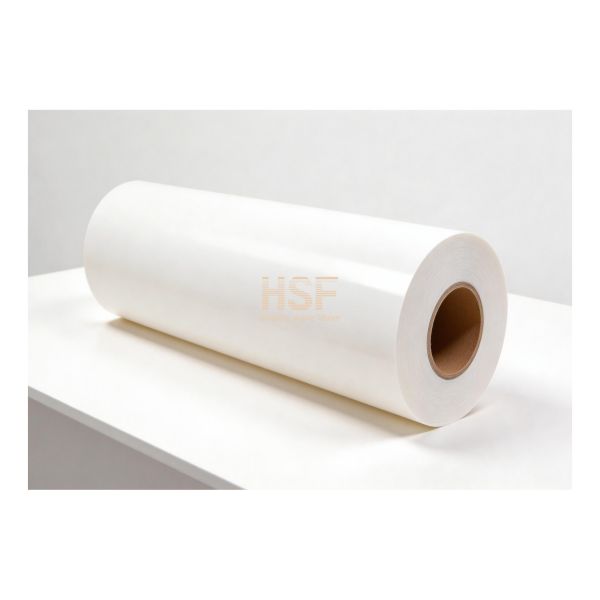
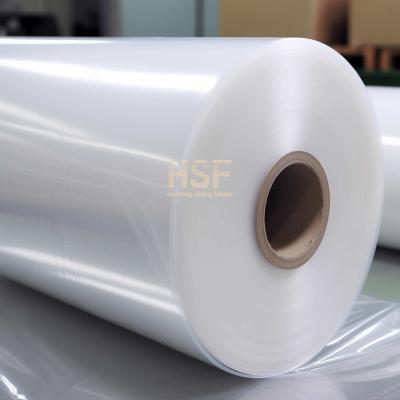
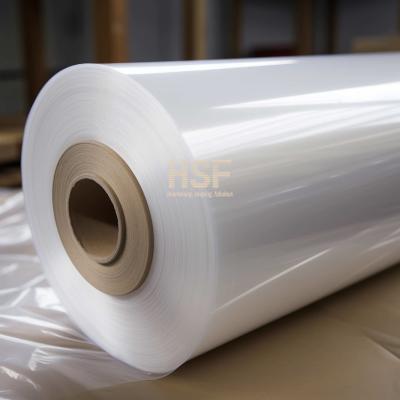
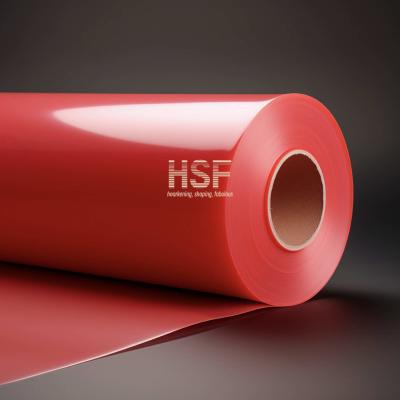
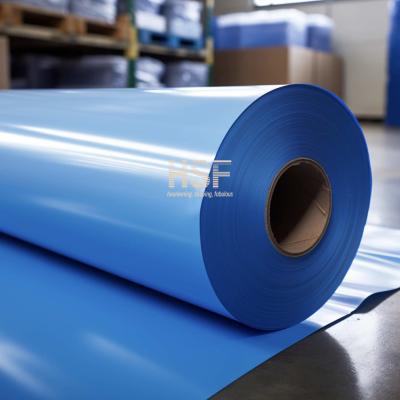
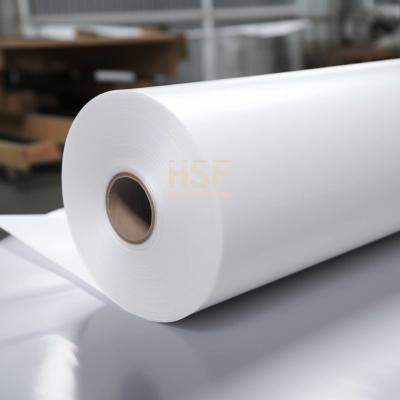
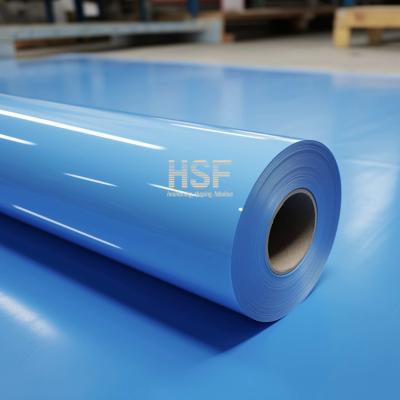
Cast Polyethylene Film - 40μm Protective Film for Electronics
Our 40μm cast polyethylene film is engineered for electronics protection with no-residue performance, uniform thickness, excellent flexibility, and stable processing characteristics. This soft, smooth film delivers reliable protection for sensitive electronic components.
Manufacturing Process
The production of cast polyethylene film involves precise raw material proportioning, melt extrusion, casting, cooling and setting, traction and stretching, edge material recycling, corona treatment, and final winding and slitting to produce flat, uniform film products.
Key Product Features
- Uniform thickness distribution for consistent performance
- High transparency and smooth surface finish
- Excellent heat sealability with wide temperature range
- Low internal stress for superior dimensional stability
- Good toughness and flexibility
- No-residue formulation for electronics protection
- Stable processing characteristics
Cast PE Film vs Blown PE Film Comparison
| Comparison Dimension |
Cast Polyethylene Film |
Blown PE Film |
| Thickness Uniformity |
Advantage: Small thickness deviation (±5%) due to precise T-die extrusion control |
Disadvantage: Larger thickness deviation (±8-10%) affected by blowing process |
| Transparency & Flatness |
Advantage: High transparency (90%+) and smooth surface without wrinkles |
Disadvantage: Lower transparency with uneven, wrinkled surface |
| Internal Stress |
Advantage: Low internal stress with good dimensional stability |
Disadvantage: High internal stress causing warping and deformation |
| Heat-Sealing Performance |
Advantage: Excellent heat-sealing with stable strength and wide temperature range |
Disadvantage: Poor heat-sealing with unstable strength and narrow range |
| Post-Processing Adaptability |
Advantage: Good adaptability for corona treatment, printing and lamination |
Disadvantage: Relatively poor post-processing adaptability |
| Production Efficiency |
Advantage: High line speed (50-150m/min) with online edge material recycling |
Disadvantage: Lower line speed (20-50m/min) with higher material loss |
Note: The above advantages and disadvantages are based on conventional production processes. With continuous technology upgrades, the performance gap between both film types is gradually narrowing in some aspects.
Physical Performance Standards & Test Results