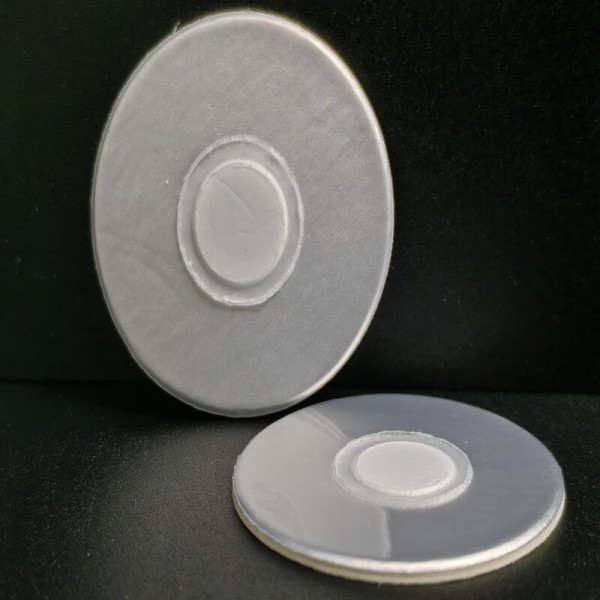
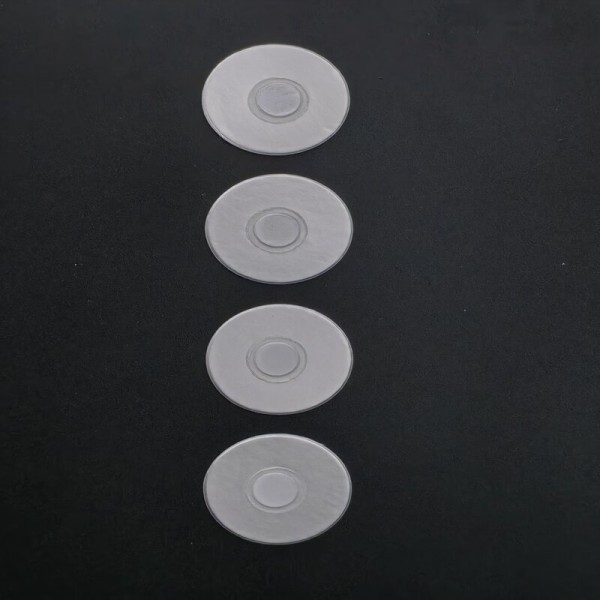
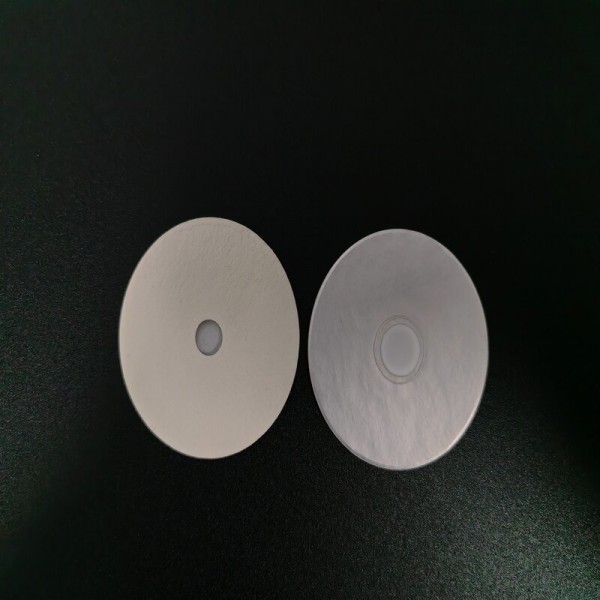
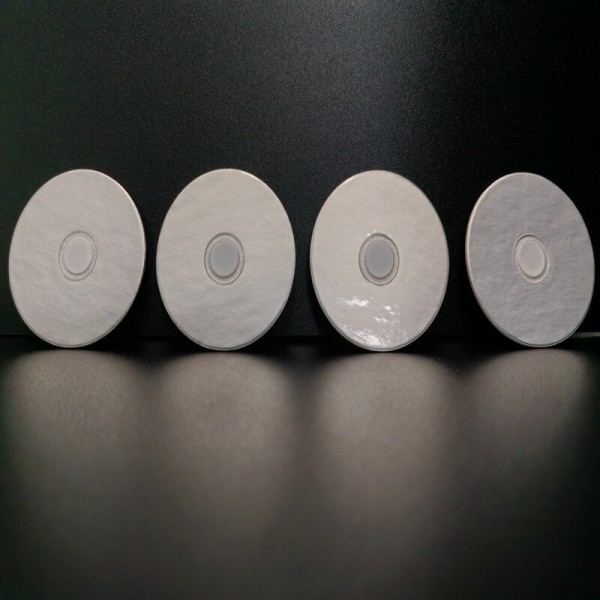
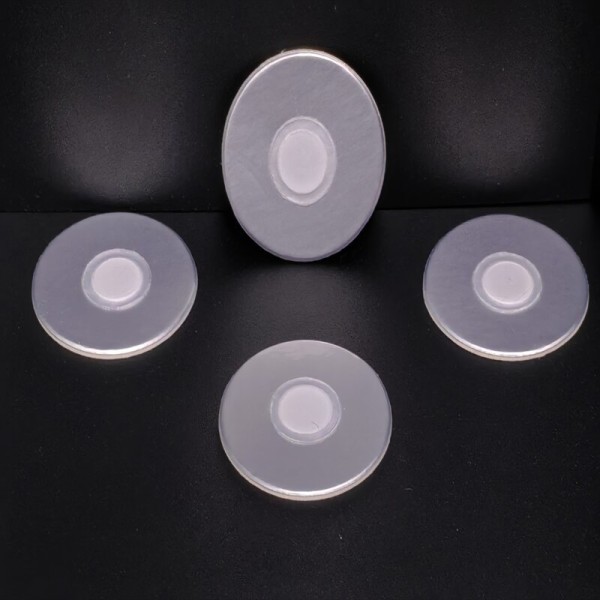
The medical-grade weldable vent for bulk sterile saline and irrigation fluid bags is a high-volume, cost-optimized sterile barrier and fluid dispensing component engineered for the large-format fluid containers used throughout the hospital, surgical center, and emergency medical services. This vent integrates a medical-grade, hydrophobic ePTFE membrane with a flexible, RF-weldable PE or PP carrier designed for direct integration into the multi-layer film of 3L, 5L, and 10L irrigation bags, bulk saline containers, and continuous bladder irrigation sets. It provides a sterile, bacteria-retentive airway that allows the bag to drain completely and smoothly during gravity or pressure-cuff infusion, preventing the vacuum collapse that would stop fluid flow. The vent maintains the sterility of the irrigation fluid after the bag is spiked, protecting the surgical field and the patient from contamination during long-duration procedures.
Bulk sterile saline and irrigation fluid bags are workhorse products in healthcare. In the operating room, a 3L bag of normal saline is hung and used for wound irrigation over several hours. In the urology suite, continuous bladder irrigation uses 5L bags to flush the bladder after prostate surgery, often over 24-48 hours. In the emergency department, saline bags are squeezed under pressure cuffs to rapidly infuse hypovolemic trauma patients. All these applications demand that the bag empties completely and without flow interruption. An unvented bag develops a vacuum as fluid is withdrawn, causing the flexible walls to collapse around the remaining fluid, creating pockets that trap fluid and prevent complete emptying. This results in fluid wastage and, in pressurized infusion, can cause the bag to rupture. The bag must also remain sealed against bacteria after the sterile port is spiked, as irrigation fluid directly contacts open surgical wounds.
The weldable vent is RF-welded into the bag film at a port location above the maximum fluid level. As fluid is withdrawn by gravity, pressure cuff, or pump, ambient air is drawn through the 0.2-micron hydrophobic ePTFE membrane into the bag, instantly replacing the dispensed volume. The bag empties completely without collapse or flow interruption. The membrane is an absolute bacterial barrier, ensuring that the air entering the bag is sterile. The hydrophobic property prevents any saline from leaking out, even when the bag is squeezed under pressure or accidentally inverted. The vent carrier is the same polyolefin material as the bag's inner sealant layer, ensuring a perfect, leak-free RF weld. The entire vent is validated for the sterilization method used for the filled bag—typically steam or gamma—and for the bag's labeled shelf life.
| Parameter | Specification |
|---|---|
| Product Type | Medical-Grade Weldable Vent |
| Carrier Material | PE or PP (RF-weldable to bag film) |
| Membrane Material | Medical-grade hydrophobic ePTFE |
| Pore Size | 0.2 μm (sterilizing-grade) |
| Bacterial Retention | ≥ 10⁷ CFU/cm² per ASTM F838 |
| Airflow | ≥ 800 ml/min @ 1 psi (supports pressure-cuff infusion) |
| Water Entry Pressure | ≥ 100 kPa |
| Sterilization | Steam (121°C), gamma, EtO |
| Bag Film Compatibility | PVC, non-PVC polyolefin multilayers |
| Bag Volume | 1L to 10L |
| Shelf Life | ≥ 3 years |
The vent is welded into the bag film at a port on the upper shoulder or header, above the fluid fill line. The bag is filled with sterile saline, sealed, and terminally sterilized. In clinical use, the bag is hung and the giving set or irrigation tubing is spiked into the administration port. As fluid flows out, the decreasing liquid volume creates a slight negative pressure in the bag headspace. This draws ambient air through the ePTFE membrane's 0.2-micron pores into the bag, instantly equalizing pressure. The bag drains completely, smoothly, and without collapsing. The hydrophobic membrane prevents any fluid leakage. The sterile barrier remains intact, protecting the remaining fluid from airborne contamination.