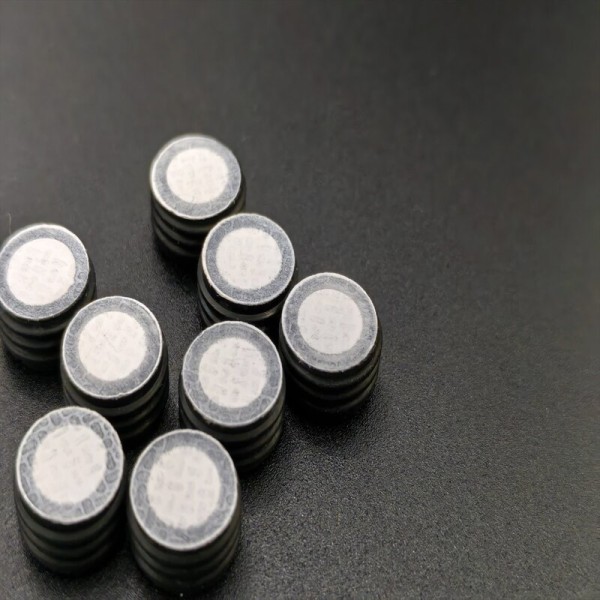
The weldable ePTFE IBC lid vent for hydrogen peroxide and oxidizing chemical storage is a specialized high-purity pressure management component engineered for the unique gas-generation and material compatibility challenges of peroxides, peracetic acid, sodium hypochlorite, and other strong oxidizers stored in intermediate bulk containers. This vent integrates an ultra-pure, oxidation-resistant ePTFE waterproof breathable membrane into a chemically compatible, weldable PP or PE body, designed for direct integration into the lid or top cap of IBC totes used for these reactive chemicals. Hydrogen peroxide solutions, from 35% to 70% concentration, continuously decompose, releasing oxygen gas. Sodium hypochlorite bleach solutions release chlorine and oxygen. Without adequate venting, the accumulating gas pressurizes the IBC inner bottle, causing dangerous bulging, stress on the metal cage, and potential catastrophic rupture. This vent provides a continuous, high-capacity pathway for the safe, silent release of these decomposition gases, maintaining the IBC at ambient pressure. Critically, the ultra-pure ePTFE membrane is completely inert to the powerful oxidizing agents, ensuring no degradation, no contamination of the high-purity chemical, and a service life that matches the IBC container.
Hydrogen peroxide and other strong oxidizers are inherently unstable chemicals that continuously decompose, even under ideal storage conditions. A 35% H₂O₂ solution will decompose at a rate of approximately 1% of its concentration per year at ambient temperature, and the rate accelerates dramatically with elevated temperature or contamination. Every molecule of H₂O₂ that decomposes releases a molecule of oxygen gas. In a sealed IBC containing 1000 liters of 50% peroxide, this translates to hundreds of liters of oxygen generated over the storage and transport period. This oxygen pressurizes the IBC, creating a significant safety hazard. Furthermore, these high-purity chemicals are often used in semiconductor manufacturing, pharmaceutical synthesis, and food aseptic packaging, where any metal ion or organic contamination is unacceptable. The vent must be made from materials that are not only resistant to oxidation but are also ultra-pure, with no additives, plasticizers, or fillers that could leach into the product.
The weldable ePTFE IBC lid vent is built from the ground up for this application. The ePTFE membrane is manufactured from virgin, high-molecular-weight PTFE resin with no processing aids, plasticizers, or additives. It is completely inert to oxidation—hydrogen peroxide, sodium hypochlorite, peracetic acid, and ozone do not degrade, swell, or react with the membrane in any way. The membrane provides a continuous, high-airflow pathway for the generated oxygen to escape silently. The chemically resistant PP or PE body is welded directly into the IBC lid, creating a permanent, leak-tight seal. The hydrophobic membrane prevents any liquid peroxide from leaking out, even if the IBC is tipped or jostled during transport. The result is an IBC that remains safely at ambient pressure, with its high-purity contents fully protected from both contamination and pressure-related failure.
| Parameter | Specification |
|---|---|
| Product Type | Weldable ePTFE IBC Lid Vent |
| Body Material | High-purity PP or PE (weldable) |
| Membrane Material | Ultra-pure, oxidation-resistant ePTFE |
| Airflow | ≥ 1500 ml/min @ 1 psi |
| Water Entry Pressure | ≥ 80 kPa |
| Chemical Resistance | H₂O₂ (35-70%), NaOCl (10-15%), peracetic acid, ozone |
| Extractables | < 0.05% TOC; suitable for high-purity chemical contact |
| Operating Temperature | 0°C (refrigerated storage) to +40°C |
| Installation | Ultrasonic welding, hot-plate welding |
| IBC Compatibility | 640L, 1000L, 1250L standard IBC totes |
| Ingress Protection | IP67 equivalent |
The vent is welded into a dedicated port on the IBC lid during container manufacturing. As the peroxide or hypochlorite solution slowly decomposes, the generated oxygen gas accumulates in the headspace. The gas passes through the ePTFE membrane's billions of microscopic pores and vents safely to the atmosphere. The membrane is a complete liquid barrier, preventing any chemical leakage. The IBC remains at ambient pressure, its inner bottle and metal cage unstressed. The ultra-pure materials ensure no contamination enters the high-value chemical.