Food-Grade PE Foam EPTFE Vent Liner For Hot-Fill Jam & Honey Jar Sealing
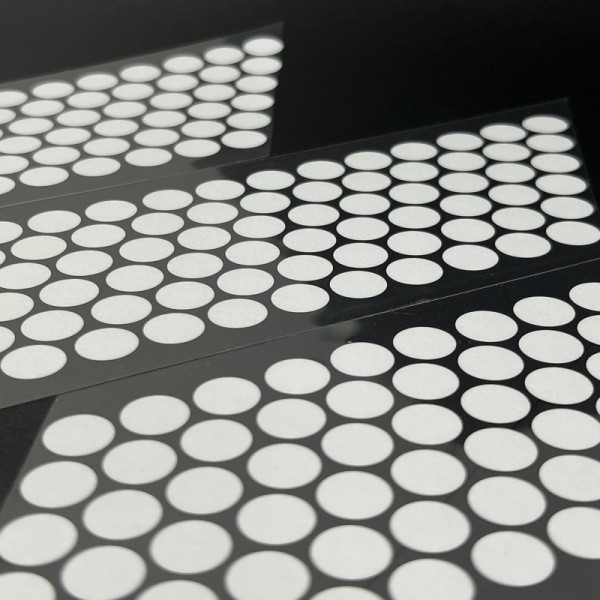
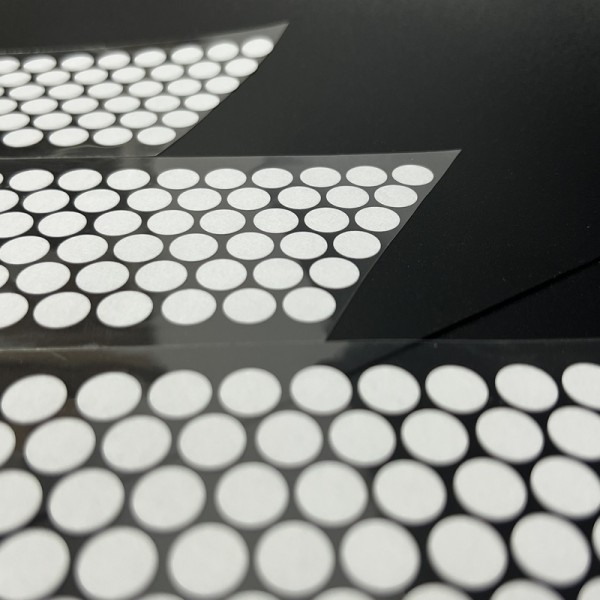
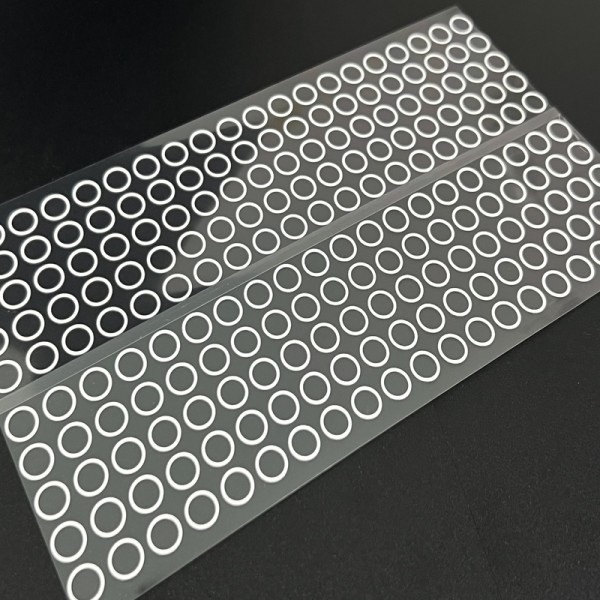
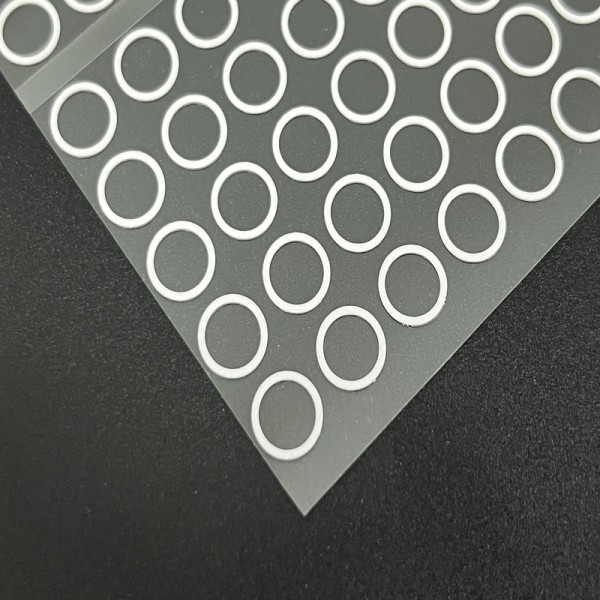
The food-grade PE foam ePTFE vent liner for hot-fill jam and honey jar sealing is a specialized induction seal component engineered to preserve the pristine appearance, vacuum seal integrity, and product quality of preserves, jams, marmalades, honey, and other hot-filled viscous spreads packaged in glass jars. This liner combines a thick, resilient food-grade PE foam backing with an integrated ePTFE waterproof breathable membrane window, designed to be applied via standard induction sealing equipment to the jar neck. During the hot-fill process—where the jam or honey is filled at 80-95°C into the glass jar and then sealed—the ePTFE membrane allows the hot, expanding air to gently escape as the lid is applied. As the jar and its contents cool to room temperature, the remaining air contracts, creating a strong vacuum that pulls the safety button on the metal lid downward, providing the unmistakable "pop" sound and visual indication of a proper seal. The ePTFE membrane then maintains that vacuum, ensuring the jar remains hermetically sealed, preventing spoilage, and preserving the fruit's bright color, fresh flavor, and natural sweetness for the entire shelf life.
Hot-fill processing is the standard preservation method for high-sugar, high-acid products like fruit jams, jellies, marmalades, and certain types of honey. The product is heated, filled into glass jars, and a metal lug cap or continuous thread cap is immediately applied. As the hot product cools, its volume decreases, and the water vapor in the headspace condenses. This creates a powerful vacuum inside the jar. In a properly designed vacuum seal, this vacuum pulls the flexible center panel of the metal lid downward. The consumer relies on this concave lid and the audible "pop" when the seal is broken as proof that the jar was properly sealed and the contents are safe to eat. However, if the lid is applied too tightly without allowing the initial hot air to vent, the pressure buildup can prevent a proper vacuum from forming, resulting in a "floating" lid that does not pop down—a jar that appears tampered with or spoiled. The vent liner provides a controlled path for the initial hot air to exit, ensuring a consistent, strong vacuum seal every time.
The PE foam ePTFE vent liner is the precision sealing solution. The thick PE foam layer provides the compressibility needed to conform to the glass jar's rim, which may have slight surface irregularities or mold seams. It also provides the spring-back force that maintains the seal over time. The ePTFE membrane window allows the hot, expanding air in the headspace to gently vent out as the lid is being applied and the jar cools initially. This prevents pressure buildup. As the jar cools fully, the contracting volume draws a strong vacuum. The ePTFE membrane, while breathable enough for the initial hot air venting, does not allow significant air to re-enter the jar once the vacuum is established. The lid button snaps down firmly. The jar is hermetically sealed. The consumer sees the concave lid and hears the satisfying pop upon opening, confirming a safe, fresh product.
| Parameter | Specification |
|---|---|
| Product Type | Food-Grade PE Foam ePTFE Vent Liner |
| Foam Material | Food-grade, closed-cell PE foam |
| Membrane Material | Food-grade ePTFE |
| Airflow (Hot-Fill Phase) | ≥ 150 ml/min @ 1 psi |
| Vacuum Retention | Excellent; maintains vacuum for labeled shelf life |
| Operating Temperature | -20°C to +100°C |
| Seal Type | Induction seal (wax-free) or pressure-sensitive |
| Jar Compatibility | Glass jars with metal lug caps, CT caps |
| Tamper Evidence | Yes; vacuum-indicating safety button |
| Food Contact Compliance | FDA 21 CFR, EU 10/2011 |
The PE foam ePTFE vent liner is placed inside the metal jar lid. The jar is filled with the hot jam or honey. The lid is applied and torqued to specification. As the lid is tightened, the hot air in the headspace can escape through the ePTFE membrane window, preventing pressure buildup. The jar passes through a cooling tunnel. As the product cools and contracts, a strong vacuum forms. The ePTFE membrane restricts air from re-entering, so the vacuum is maintained. The safety button on the metal lid is pulled down by the vacuum. The jar is sealed and shelf-stable. The consumer opens the jar by breaking the vacuum seal, hearing the characteristic pop, and seeing the button spring up.