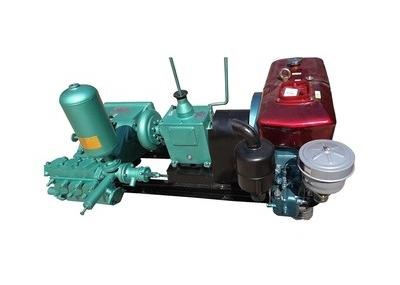
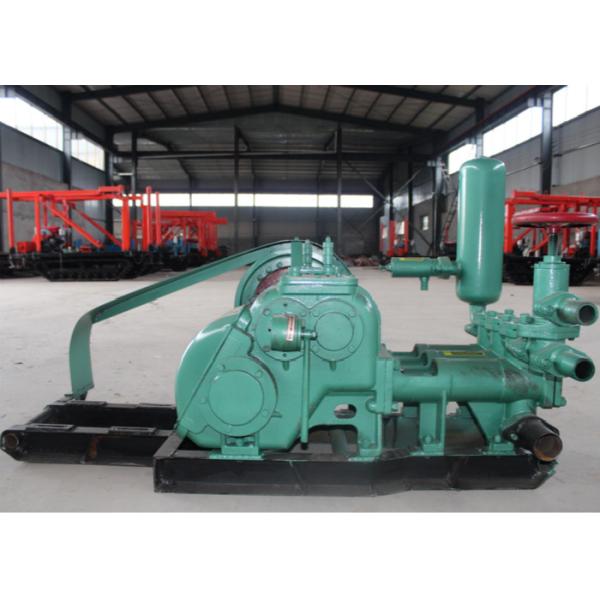
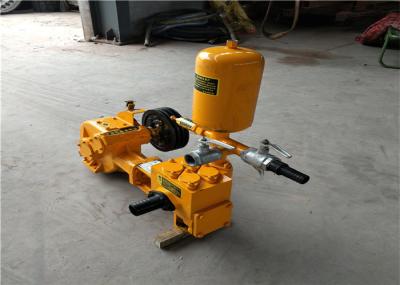
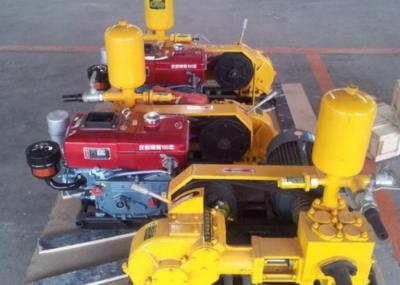
High-flow 850-2 Mud Pump with Strong Power
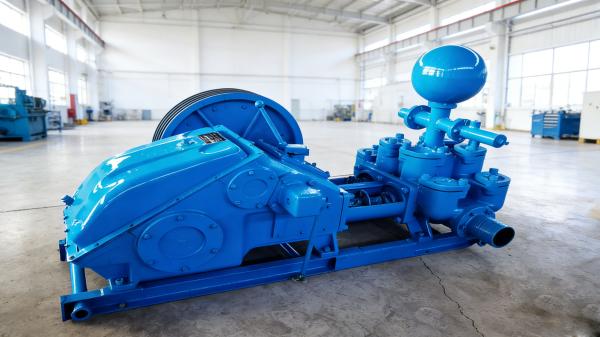
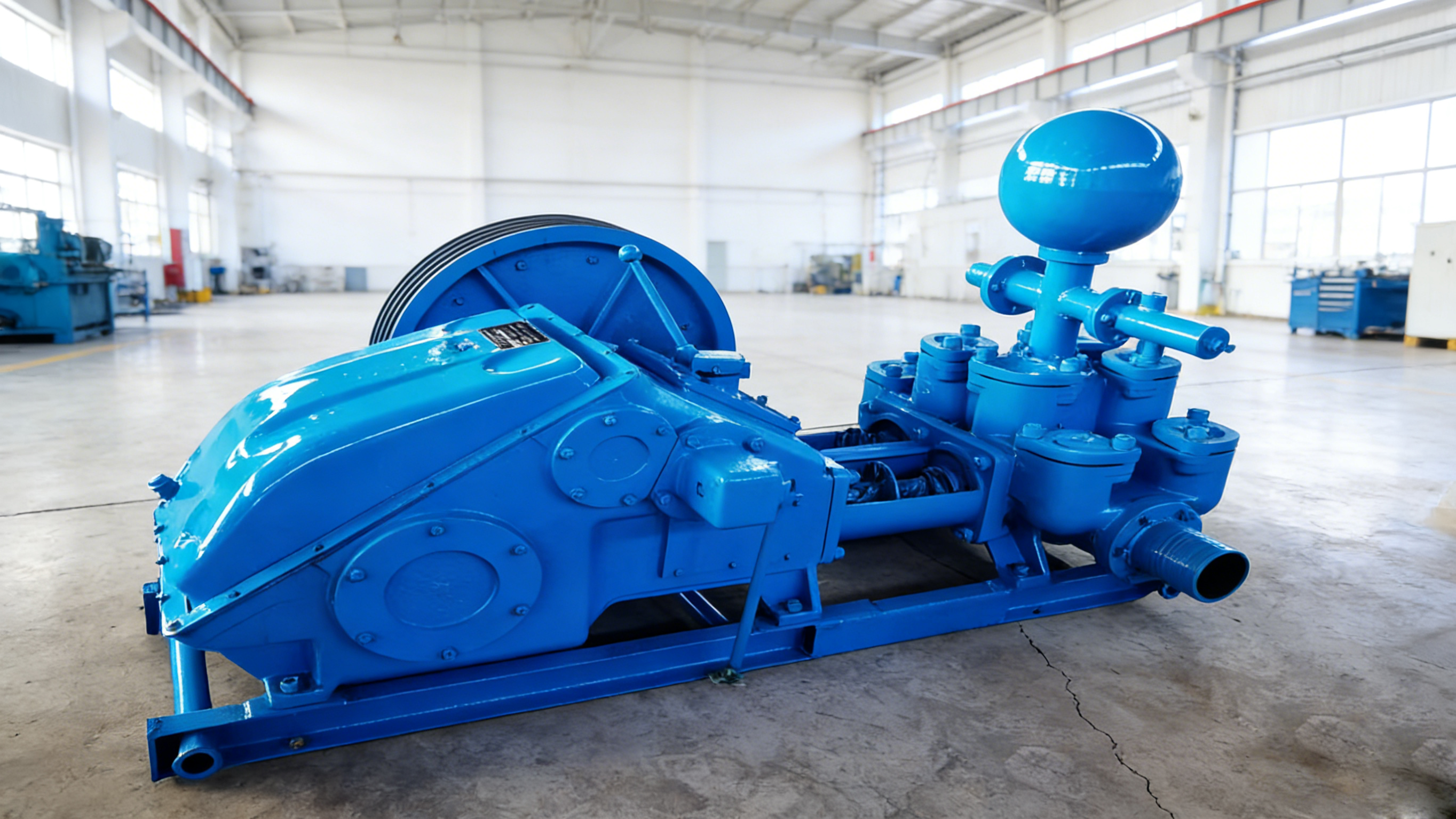
The core working principle of the BW850/2 mud pump (reciprocating piston pump) is to change the volume of the pump chamber through the reciprocating motion of the piston, thereby achieving the suction and discharge of mud and increasing pressure.
Product Specifications
| Attribute |
Value |
| Product Name |
BW 850/2 Mud Pump |
| Stroke |
150 mm |
| Pump Speed |
180 mm |
| Cylinder Diameter |
58 mm |
| Flow Rate |
600 L/min |
| Power |
3.0 MPa |
| Horse Power |
4105 |
| Engine |
Diesel Engine/Motor Power |
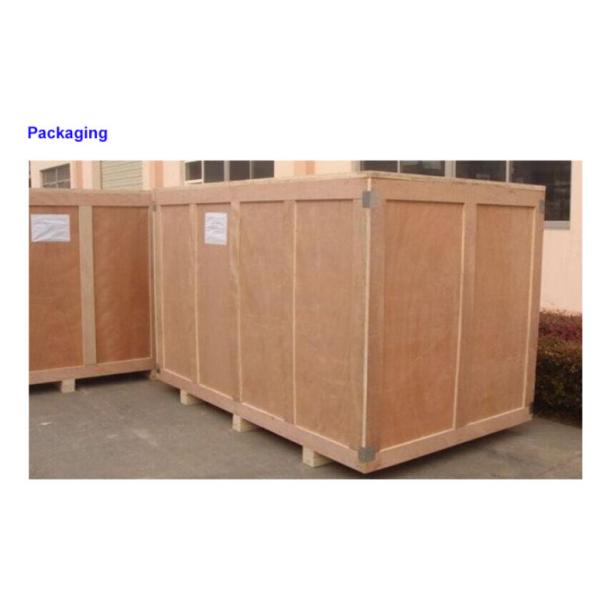
| Packing Size |
2000 * 1030 * 1400 mm |
| Weight |
1500 kg |
Operating range of 850/2 mud pump
Application Scenario: Primarily used for geological drilling (including hydrological well drilling, freezing drilling, grouting drilling, core drilling, anchoring drilling, etc.), it can also be applied to the transportation of high-concentration slurry in industries such as metallurgy, chemical engineering, and mining. Some models are also suitable for irrigation of terraced fields in mountainous areas.
Drilling depth: It is compatible with large-diameter drilling rigs operating at depths ranging from 200 to 600 meters. Some upgraded models, such as the TBW850-5A, can also accommodate grouting drills and water well drills operating at depths up to 1000 meters.
Conveying medium: Primarily slurry, capable of conveying high-concentration slurry containing solid particles such as slurry, river sand, gravel, tailings, iron sand, and ore sand, with a sand content controlled to be ≤10%.
Supporting equipment: compatible with 200-1000m-level hydrological water well drilling rigs, freezing drilling rigs, grouting drilling rigs, etc. The supporting power is ordinary power (not suitable for operating environments with special explosion-proof requirements).
Core Maintenance Guide for BW850/2 Mud Pump
1. Daily operation and maintenance (after each startup)
Monitor the bearing temperature in real-time, ensuring that the temperature rise does not exceed 40℃. If overheating is detected, shut down the machine immediately for inspection;
Inspect the sealing parts (packing, V-rings, etc.). If there is mud leakage, promptly tighten the gland or replace the sealing components;
Regularly apply engine oil to lubricate the pull rod and auxiliary rod to avoid dry friction;
Clean the debris from the filter screen of the suction faucet to ensure that the suction pipeline is free from blockage and air leakage;
Monitor the sand content in the mud and keep it within 10% at all times to avoid wear and tear on vulnerable parts.
II. Regular maintenance (fixed cycle)
Lubrication and maintenance: Use No. 30 machine oil for the crankcase, and change the oil once every 3 months; inject calcium-based lubricating grease into the oil cups of the belt pulley (2 locations) once per shift;
Wearing parts replacement: Regularly inspect the valve seat, rubber valve plate, piston cup, cylinder liner, etc., and replace them promptly if they show signs of wear or aging (refer to the detailed list of wearing parts);
Component inspection: Conduct quarterly inspections of the clearance between the connecting rod bearing shell and the crosshead guide plate, as well as the wear condition of gears and bearings. If the inspection results exceed the standards, make adjustments or replacements.
III. Maintenance after shutdown
Routine shutdown: Drain the mud from the discharge pipe and clean the residual impurities from the pump head;
Winter protection: Thoroughly drain the residual liquid from the pump head, air bag, and safety valve to prevent frost cracking;
Long-term shutdown (over 1 month): Drain the crankcase oil completely and flush the pump body's channels with clean water; apply butter to moving parts such as pistons and connecting rods to prevent rust; seal the suction and discharge ports to prevent dust.
Product Images