Dock Cell Fender Weather Resistant Corrosion Resistant Fully Customizable Specification
Product Overview
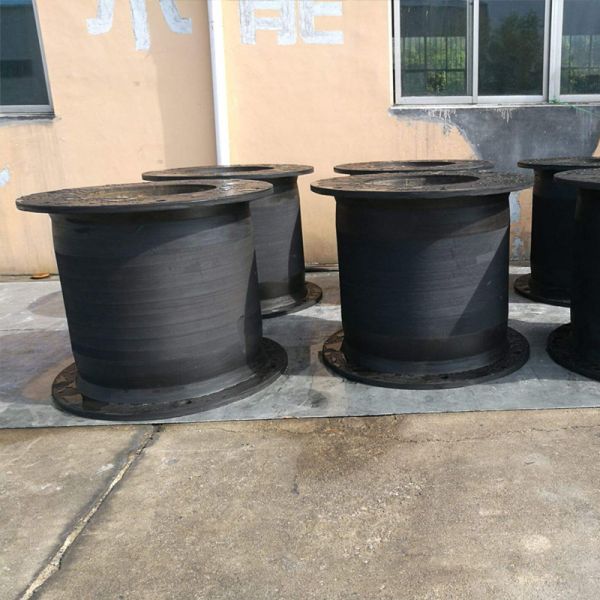
Cell Rubber Fender is a high-performance marine berthing energy absorption system engineered for large-scale port infrastructure, deep-water terminals, and offshore energy facilities. Designed in accordance with international marine engineering standards, it is widely applied in projects requiring high structural reliability, predictable performance, and long service life under demanding operational conditions.
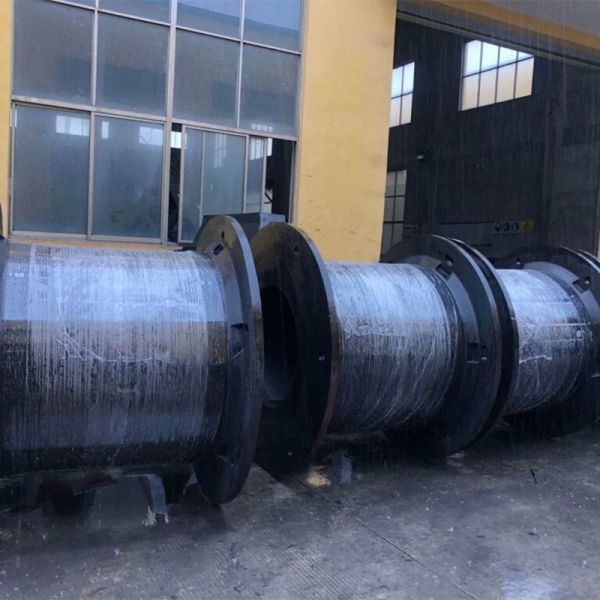
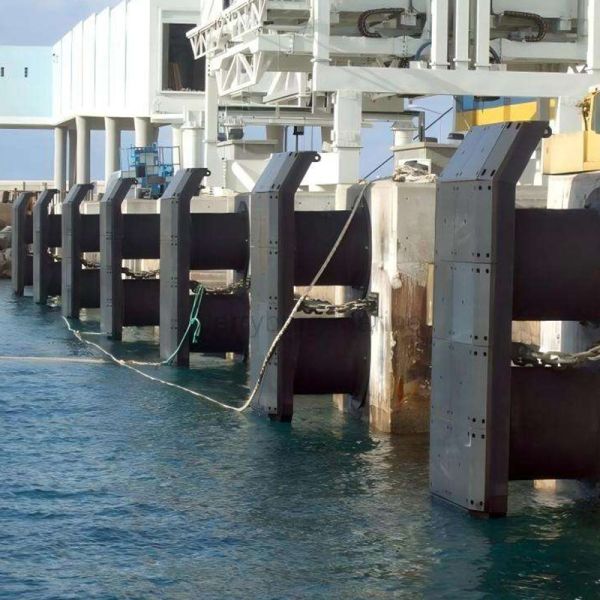
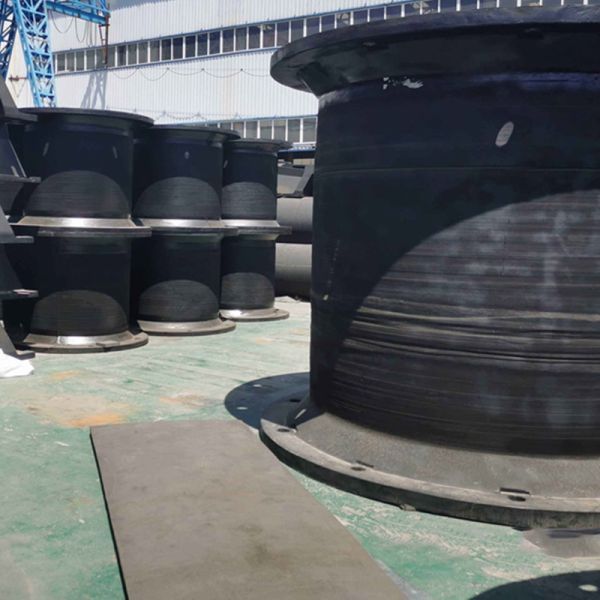
The system consists of a cylindrical molded rubber body integrated with a high-strength steel frontal panel and UHMW-PE wear-resistant facing pads. This configuration enables optimized energy absorption characteristics while maintaining controlled reaction forces, ensuring structural safety for both quay structures and vessels during berthing operations.
Manufactured using premium-grade natural rubber and advanced synthetic elastomers, the Cell Rubber Fender system offers exceptional resistance to compression fatigue, dynamic loading cycles, seawater corrosion, UV exposure, and temperature fluctuations. It is suitable for extreme environmental conditions typically encountered in North Sea ports, Mediterranean terminals, Middle Eastern LNG facilities, and large-scale North American bulk cargo hubs.
The product is available in a fully engineered range of dimensions and performance classes, typically covering installations from medium-duty commercial berths to ultra-heavy-duty deep-water terminals handling vessels exceeding 200,000 DWT. Each system is designed based on project-specific energy absorption calculations, berthing velocity parameters, and structural quay wall constraints, ensuring compliance with PIANC design recommendations and international port engineering practices.
Case Study - European Deep-Water Container Terminal Expansion Project
A major container terminal expansion project in Northern Europe required a next-generation fender system capable of supporting ultra-large container vessels (ULCVs) exceeding 220,000 DWT. The project specification demanded strict compliance with European port engineering standards, including high energy absorption capacity, low reaction force performance, and long-term durability under cold marine conditions.
Hongruntong Marine supplied a fully engineered Cell Rubber Fender system designed specifically for deep-water berthing operations with high-frequency vessel traffic. The solution incorporated large-diameter cell fenders with reinforced steel frontal panels and optimized UHMW-PE pads to minimize hull friction and wear during berthing contact.
Following installation, the terminal achieved a significant improvement in operational reliability and structural performance. The system demonstrated stable energy absorption under repeated high-load berthing cycles and effectively reduced stress transmission to the quay structure. Independent engineering assessment confirmed a reduction in structural fatigue risk and improved lifecycle performance of the berth infrastructure.
The terminal operator reported enhanced vessel turnaround efficiency, reduced maintenance intervention frequency, and improved berthing safety margins. The solution has since been adopted as a reference standard for subsequent expansion phases of the port.
Technical Specifications
| Product Name |
Cell Rubber Fender |
| Brand Name |
Hongruntong Marine |
| Material |
High Quality Natural Rubber |
| Reaction Force |
29-4626KN |
| Energy Absorption |
4-6102KNM |
| Hardness |
≤82 Shore A |
| Standard |
PIANC2002, HGT2866-2016 |
| Processing Service |
Moulding, Cutting |
| Lifespan |
15-20 Years |
| Service |
OEM or ODM |
| Features |
Strong, Robust, Well Proven Design |
| Application |
Port, Dock, Quay, etc |
Model Specifications
| Model |
H [mm] |
h [mm] |
D1 [mm] |
D2 [mm] |
n-t [mm] |
| CF-C400H |
400 |
25 |
650 |
550 |
30 |
| CF-C500H |
500 |
25 |
650 |
550 |
32 |
| CF-C630H |
630 |
30 |
840 |
700 |
39 |
| CF-C800H |
800 |
30 |
1050 |
900 |
40 |
| CF-C1000H |
1000 |
35 |
1300 |
1100 |
47 |
| CF-C1150H |
1150 |
40 |
1500 |
1300 |
50 |
| CF-C1250H |
1250 |
45 |
1650 |
1450 |
53 |
| CF-C1450H |
1450 |
47 |
1850 |
1650 |
61 |
| CF-C1600H |
1600 |
50 |
2000 |
1800 |
61 |
| CF-C1700H |
1700 |
55 |
2100 |
1900 |
66 |
| CF-C2000H |
2000 |
55 |
2200 |
2000 |
74 |
| CF-C2250H |
2250 |
60 |
2550 |
2300 |
74 |
| CF-C2500H |
2500 |
70 |
2950 |
2700 |
90 |
| CF-C3000H |
3000 |
75 |
3350 |
3150 |
90 |
Key Features
- Engineered High Energy Absorption with Predictable Load Response
Cell Rubber Fender systems are designed to deliver highly predictable energy absorption behavior under controlled compression conditions. The cylindrical cell geometry ensures progressive deformation, allowing kinetic energy from vessel berthing to be absorbed efficiently while maintaining stable reaction force characteristics.
- Compliance-Oriented Structural Performance and Design Reliability
The system is developed in alignment with internationally recognized marine engineering standards, including PIANC guidelines for fender system design. Structural performance is validated through finite element analysis and load simulation to ensure compliance with project-specific design criteria.
- Advanced Material Engineering for Harsh Marine Environments
The rubber compound formulation is optimized for long-term performance in aggressive marine environments, including high salinity exposure, cyclic temperature variations, and UV radiation. The material exhibits excellent resistance to permanent deformation, fatigue cracking, and surface degradation.
- Lifecycle Optimization and Low Maintenance Design Philosophy
Cell Rubber Fender systems are engineered with lifecycle performance as a primary design objective. The robust construction minimizes maintenance requirements while ensuring consistent performance over extended service periods.
Applications
- Deep-Water Container Terminals and Mega-Port Infrastructure
Designed for ultra-large container vessel operations, Cell Rubber Fenders provide reliable berthing protection in high-throughput global container hubs with intensive operational schedules.
- LNG, Oil, and Offshore Energy Terminals
The system is widely used in critical energy infrastructure where safety, reliability, and environmental resilience are essential for continuous operations under strict regulatory frameworks.
- Bulk Cargo and Industrial Port Facilities
Suitable for heavy-duty berths handling coal, iron ore, and industrial raw materials, where high impact energy and frequent vessel traffic require robust and stable fender performance.
Why Choose Hongruntong Marine
- Proven Engineering Capability in International Port Projects
Hongruntong Marine has extensive experience supplying marine fender systems for large-scale port developments across Europe, the Middle East, Southeast Asia, and the Americas.
- Full-Process Quality Assurance and Manufacturing Control
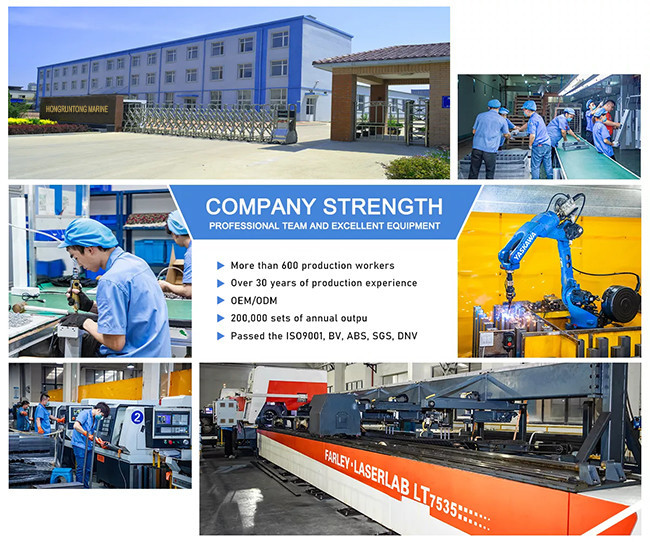
All products are manufactured under strict quality management systems, covering raw material selection, rubber compounding, molding, curing, assembly, and final performance inspection.
- Project-Specific Engineering Design Support
We provide full engineering support throughout the project lifecycle, including energy calculation, structural load analysis, and installation configuration design.
- Long-Term Reliability and International Service Support
Our commitment extends beyond product delivery, offering technical documentation, installation supervision support, and long-term maintenance guidance.
Frequently Asked Questions
- What engineering standards does Cell Rubber Fender comply with?
Cell Rubber Fender systems are designed in accordance with PIANC guidelines and commonly referenced international marine engineering standards for port infrastructure projects.
- Can the system be used in cold climate regions such as Northern Europe or Canada?
Yes, the rubber compound is formulated to maintain elasticity and performance stability in low-temperature marine environments.
- How is the system designed for specific port projects?
Each system is engineered based on vessel energy calculations, berthing velocity, quay structure type, and operational requirements provided by the client or consultant.
- What is the expected operational lifespan under continuous use?
Depending on usage intensity and environmental conditions, the system is typically designed for a service life exceeding 15 years under standard port operating conditions.
- Is technical documentation available for tender submissions?
Yes, complete technical documentation, including drawings, performance curves, and material specifications, can be provided for engineering design and tender evaluation purposes.