Dock Fender Large Compression Capacity Stable Performance Easy Installation
Product Overview
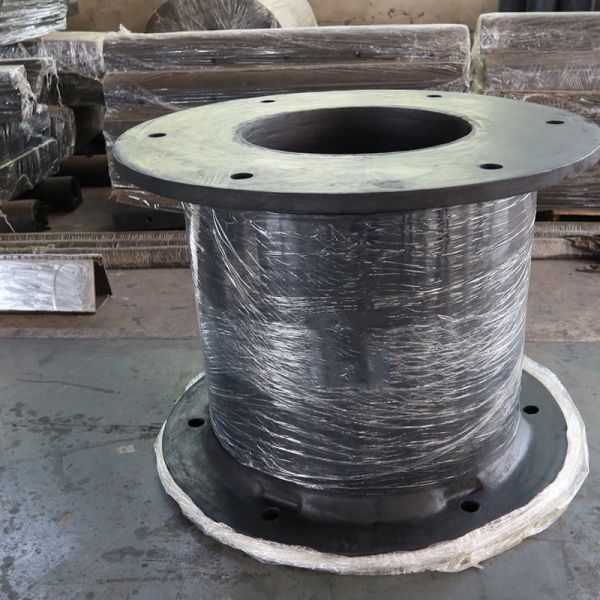
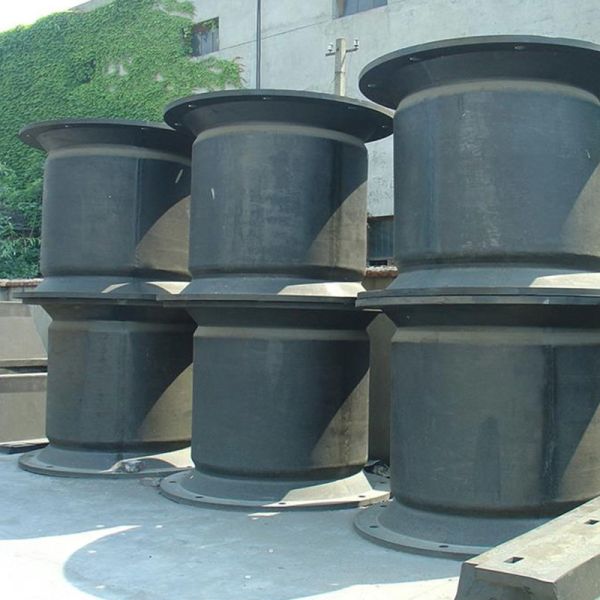
Cell Rubber Fender is a compression-type marine fender engineered for high-frequency vessel berthing at container terminals, general cargo ports, ferry terminals, shipyards, industrial wharves, dolphins, and other marine structures. Its primary function is to absorb controlled berthing energy while limiting the reaction force transferred to the supporting structure and maintaining an appropriate contact condition between the vessel and berth.
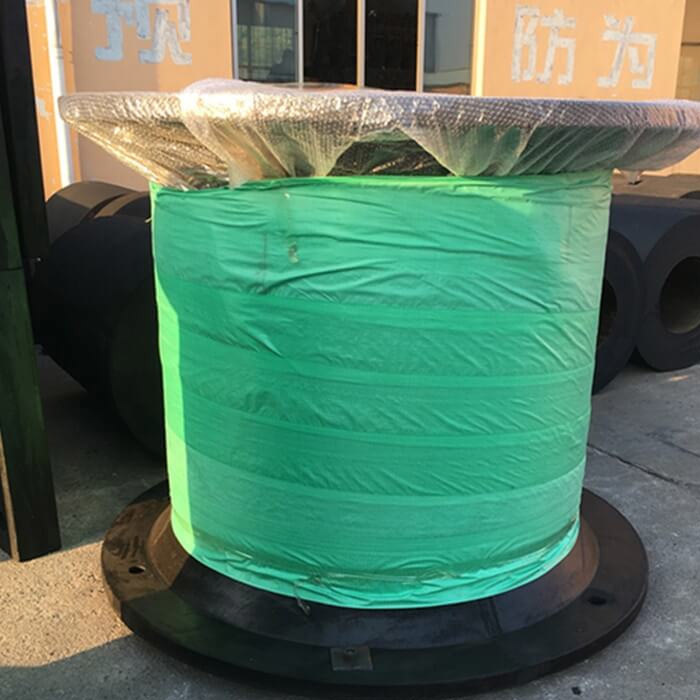
The main body consists of a molded cylindrical rubber cell manufactured from a high-strength elastomer compound. The rubber structure is designed to deform progressively when compressed by vessel contact. During this deformation, part of the vessel's kinetic energy is converted into elastic deformation of the rubber, reducing direct impact on the quay structure.
Technical Specifications
| Product Name |
Cell Rubber Fender |
| Brand Name |
Hongruntong Marine |
| Material |
High Quality Natural Rubber |
| Reaction Force |
29-4626KN |
| Energy Absorption |
4-6102KNM |
| Hardness |
≤82 Shore A |
| Standard |
PIANC2002, HGT2866-2016 |
| Processing Service |
Moulding, Cutting |
| Lifespan |
15-20 Years |
| Service |
OEM or ODM |
| Features |
Strong, Robust, Well Proven Design |
| Application |
Port, Dock, Quay, etc |
Model Specifications
| Model |
H [mm] |
h [mm] |
D1 [mm] |
D2 [mm] |
n-t [mm] |
| CF-C400H |
400 |
25 |
650 |
550 |
30 |
| CF-C500H |
500 |
25 |
650 |
550 |
32 |
| CF-C630H |
630 |
30 |
840 |
700 |
39 |
| CF-C800H |
800 |
30 |
1050 |
900 |
40 |
| CF-C1000H |
1000 |
35 |
1300 |
1100 |
47 |
| CF-C1150H |
1150 |
40 |
1500 |
1300 |
50 |
| CF-C1250H |
1250 |
45 |
1650 |
1450 |
53 |
| CF-C1450H |
1450 |
47 |
1850 |
1650 |
61 |
| CF-C1600H |
1600 |
50 |
2000 |
1800 |
61 |
| CF-C1700H |
1700 |
55 |
2100 |
1900 |
66 |
| CF-C2000H |
2000 |
55 |
2200 |
2000 |
74 |
| CF-C2250H |
2250 |
60 |
2550 |
2300 |
74 |
| CF-C2500H |
2500 |
70 |
2950 |
2700 |
90 |
| CF-C3000H |
3000 |
75 |
3350 |
3150 |
90 |
Key Features
- Designed for High Cycle Berthing Operations: Engineered for repeated compression and recovery cycles with controlled elastic deformation and fatigue resistance
- Precise Load Distribution and Hull Pressure Control: Combined with steel front panels for larger contact surface and reduced pressure concentration
- Dimensional Compatibility for Berth Rehabilitation: Customizable dimensions for replacement projects without extensive structural modifications
- Wear Resistant Sliding Interface: UHMW-PE facing surfaces reduce friction during vessel movement and support modular maintenance
Applications
- High Traffic Container Terminals: Suitable for frequent vessel arrivals and departures with repeated compression cycles
- General Cargo and Multipurpose Berths: Flexible protection across multiple vessel operating profiles and hull dimensions
- Berth Rehabilitation and Fender Replacement Projects: Customized dimensions for existing mounting positions with limited structural modification
Why Choose Hongruntong Marine
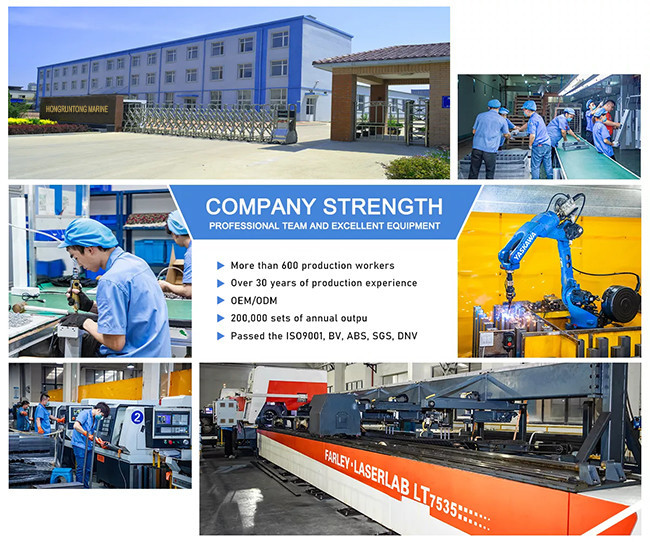
- 30+ Years Manufacturing Experience: Extensive expertise in marine products and rubber-based equipment manufacturing
- Engineering Customization: Tailored solutions for existing berths with dimensional compatibility
- Quality Control: Controlled production processes including rubber preparation, molding, vulcanization, and inspection
- Technical Support: Comprehensive project coordination from selection to installation for high-traffic port projects
Frequently Asked Questions
Why is Cell Rubber Fender suitable for high-traffic ports?
Its compression-type rubber structure is designed to absorb berthing energy through controlled deformation and recover after unloading. When correctly selected and operated within its specified compression range, it can accommodate repeated vessel contact and provide long-term berth protection.
Can Cell Rubber Fender replace an existing fender without rebuilding the quay?
In many replacement projects, yes. The fender can be customized according to existing dimensions, mounting positions, bolt-hole arrangements, projection, and other structural interfaces. The existing structure should be surveyed and confirmed before production.
What is the function of the steel front panel?
The front panel provides a larger vessel contact surface and distributes reaction forces over a broader hull area. It can also support a UHMW-PE sliding face where longitudinal vessel movement occurs.
How can wear be reduced during repeated vessel movement?
A low-friction UHMW-PE facing surface can be used on the front panel to reduce sliding resistance. Correct fender alignment and appropriate vessel operating procedures are also important for controlling abnormal wear.
What information is required for customized Cell Rubber Fender production?
Typical information includes vessel size and operating range, berthing conditions, required energy absorption and reaction force, fender dimensions, installation drawings, existing anchor positions, mounting-hole dimensions, front-panel requirements, sliding material, and applicable project specifications.