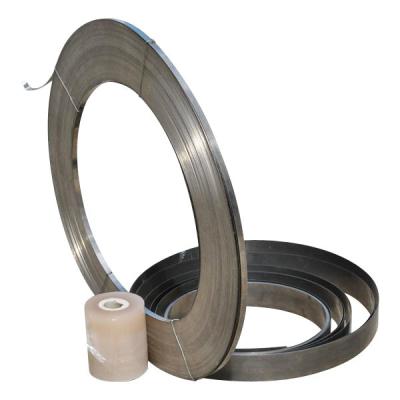
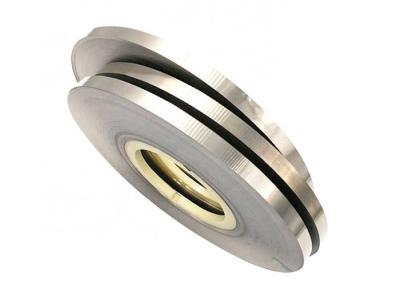
Hydrogen is emerging as a crucial element in the global shift towards clean and sustainable energy. As industries race to implement hydrogen-based technologies, the materials used to store, transport, and utilize hydrogen must be strong, durable, and highly resistant to extreme conditions. One of the most reliable materials for these applications is Inconel 625 alloy, a superalloy known for its high performance in challenging environments, particularly in electrolysis for hydrogen production.
Product Overview
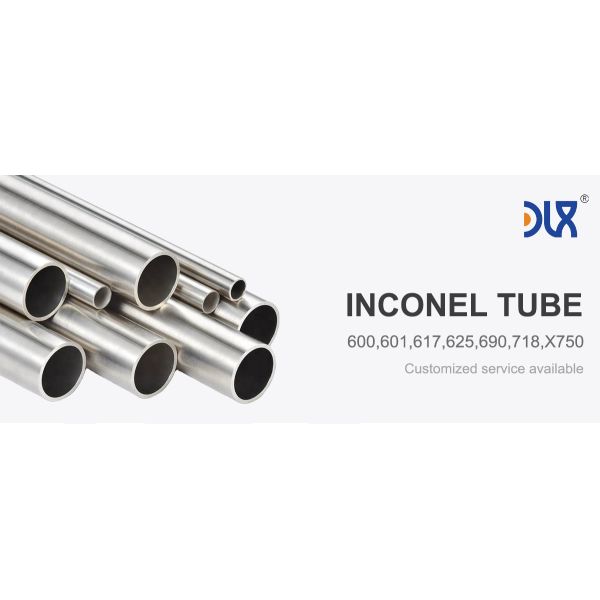
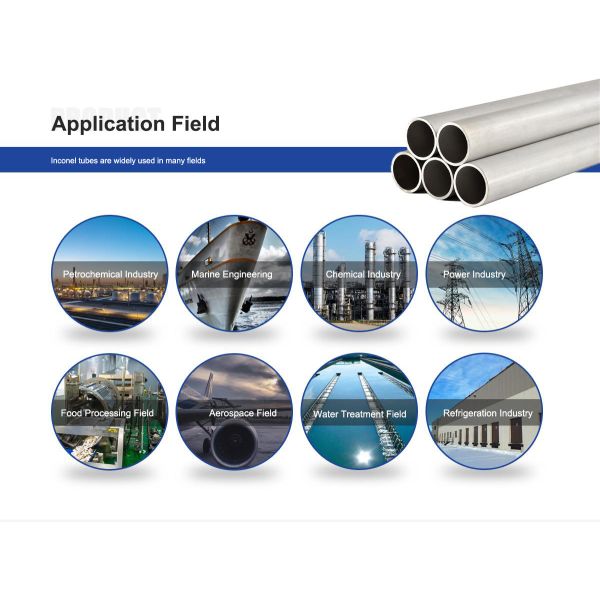
Inconel 625 is a high-performance nickel-chromium-based alloy that offers unparalleled resistance to oxidation, corrosion, and extreme temperatures. Its excellent mechanical properties make it an ideal material for applications involving high-pressure environments, such as hydrogen storage and transport. The alloy is widely used in industries like aerospace, chemical processing, and, more recently, in hydrogen energy sectors for electrolysis and fuel cells.
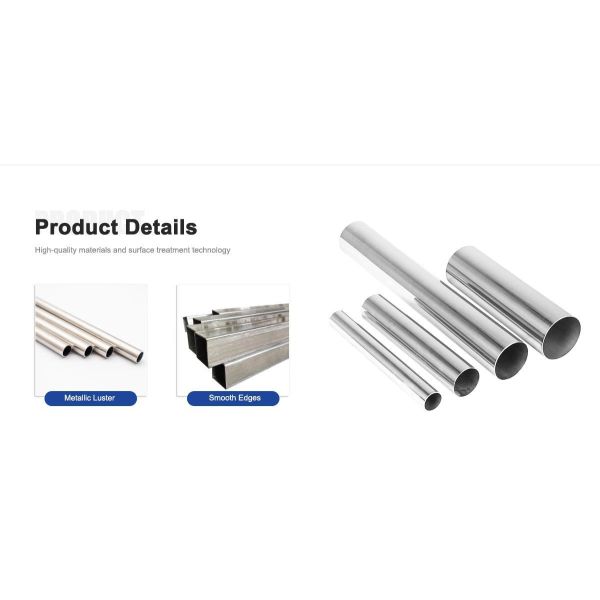
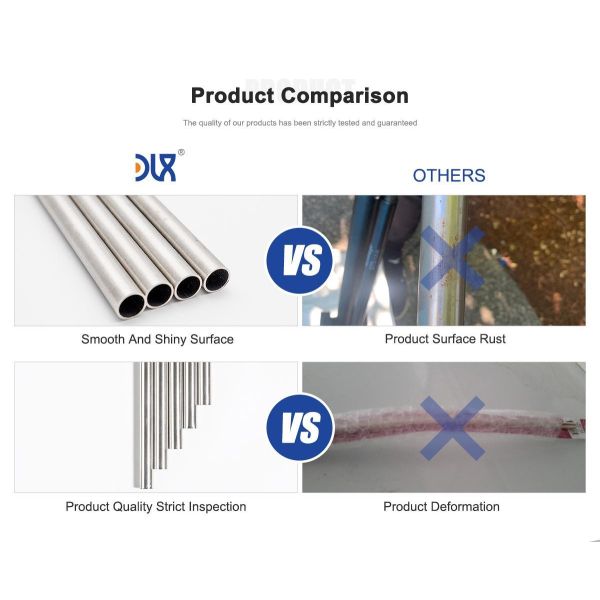
At DLX, we specialize in providing high-quality Inconel 625 alloy tubes, designed to meet the stringent demands of the hydrogen economy. Our tubes are manufactured with precision, ensuring a perfect balance of performance, durability, and safety.

Parameter Comparison Table
| Item |
Inconel 600 |
Inconel 601 |
Inconel 617 |
Inconel 625 |
Inconel 690 |
Inconel 718 |
Inconel X750 |
Inconel 825 |
| C |
≤0.15 |
≤0.1 |
0.05-0.15 |
≤0.08 |
≤0.05 |
≤0.08 |
≤0.08 |
≤0.05 |
| Mn |
≤1 |
≤1.5 |
≤0.5 |
≤0.35 |
≤0.5 |
≤0.35 |
≤1 |
≤1 |
| Fe |
6-10 |
rest |
≤3 |
rest |
7-11 |
rest |
5-9 |
≥22 |
| P |
≤0.015 |
≤0.02 |
≤0.015 |
-- |
-- |
-- |
-- |
-- |
| S |
≤0.015 |
≤0.015 |
≤0.015 |
≤0.015 |
≤0.015 |
≤0.01 |
≤0.01 |
≤0.03 |
| Si |
≤0.5 |
≤0.5 |
≤0.5 |
≤0.35 |
≤0.5 |
≤0.35 |
≤0.5 |
≤0.5 |
| Cu |
≤0.5 |
≤1 |
-- |
≤0.3 |
≤0.5 |
≤0.3 |
≤0.5 |
1.5-3 |
| Ni |
≥72 |
58-63 |
≥44.5 |
50-55 |
≥58 |
50-55 |
≥70 |
38-46 |
| Co |
-- |
-- |
10-15 |
≤10 |
-- |
≤1 |
≤1 |
-- |
| Al |
-- |
1-1.7 |
0.8-1.5 |
≤0.8 |
-- |
0.2-0.8 |
0.4-1 |
≤0.2 |
| Ti |
-- |
-- |
≤0.6 |
≤1.15 |
-- |
-- |
2.25-2.75 |
0.6-1.2 |
| Cr |
14-17 |
21-25 |
20-24 |
17-21 |
27-31 |
17-21 |
14-17 |
19.5-23.5 |
| Nb+Ta |
-- |
-- |
-- |
4.75-5.5 |
-- |
4.75-5.5 |
0.7-1.2 |
-- |
| Mo |
-- |
-- |
8-10 |
2.8-3.3 |
-- |
2.8-3.3 |
-- |
2.5-3.5 |
| B |
-- |
-- |
≤0.006 |
-- |
-- |
-- |
-- |
-- |
| Shape |
Size (mm) |
| Wire |
0.02-7.50 |
| Rod/Bar |
8.0-200 |
| Strip |
(0.5-2.5)*(5-180) |
| Tube/Pipe |
Customized |
| Sheet/Plate |
Customized |
Key Features of Inconel 625
- Superior Corrosion Resistance: Inconel 625 is highly resistant to various forms of corrosion, including stress-corrosion cracking, pitting, and oxidation. This makes it particularly useful in environments where hydrogen is involved, as it prevents degradation even in highly reactive conditions.
- High-Temperature Stability: The alloy maintains its structural integrity even at temperatures exceeding 1000°C. This property ensures that Inconel 625 remains stable under the extreme conditions associated with hydrogen storage and electrolysis processes.
- Excellent Mechanical Properties: Inconel 625 has outstanding tensile strength and toughness, ensuring it can withstand high-pressure environments. This is essential for safe and efficient hydrogen storage, where high pressures are often involved.
- Weldability: Inconel 625 is known for its excellent weldability, which simplifies the manufacturing and construction of hydrogen storage systems and transport pipelines.
- Long-Term Durability: The alloy's resistance to oxidation, corrosion, and thermal fatigue allows it to endure for long periods in demanding applications without significant wear or failure.
Industry Analysis: The Future of Hydrogen and the Role of Inconel 625
As the world increasingly embraces clean energy solutions, hydrogen is becoming a key player in industries like transportation, power generation, and industrial processes. Electrolysis, the process used to generate hydrogen from water, is one of the most promising methods of hydrogen production. The efficiency and safety of this process depend heavily on the materials used, particularly in the electrolyzers and storage systems.
Inconel 625 stands out as one of the best materials for these applications due to its combination of strength, corrosion resistance, and high-temperature tolerance. As the demand for hydrogen grows, the need for durable and reliable materials like Inconel 625 will continue to rise, making it a vital component of the green energy revolution.
Applications of Inconel 625 in Hydrogen Energy
- Electrolyzers for Hydrogen Production: Inconel 625 is widely used in the construction of electrolyzers, which split water into hydrogen and oxygen using electricity. Its high resistance to corrosion and oxidation makes it an ideal choice for the electrodes and other components in electrolyzers.
- Hydrogen Storage: Inconel 625's resistance to high pressures and temperatures makes it perfect for storing hydrogen in gas form. Whether it's for fuel cells or large-scale hydrogen storage systems, this alloy ensures that hydrogen can be safely contained without risk of material failure.
- Hydrogen Transport Pipelines: The alloy is also used in hydrogen transport pipelines, where it ensures the integrity and safety of the infrastructure, even in harsh environments.

Frequently Asked Questions
- What makes Inconel 625 ideal for hydrogen storage?
Inconel 625 is corrosion-resistant, capable of withstanding high pressures and temperatures, and has excellent mechanical properties, making it a top choice for hydrogen storage systems.
- How does Inconel 625 perform in electrolysis systems?
The alloy's resistance to oxidation and corrosion ensures that it remains durable and functional even in the aggressive environment of electrolysis, which involves high voltage and reactive gases.
- Is Inconel 625 suitable for low-temperature applications?
While Inconel 625 excels at high temperatures, it also maintains its strength at lower temperatures, though its most significant advantage lies in high-heat applications.
- Can Inconel 625 be welded easily?
Yes, Inconel 625 is known for its excellent weldability, which simplifies the fabrication of hydrogen-related infrastructure.
- How long does Inconel 625 last in hydrogen applications?
Thanks to its corrosion and heat resistance, Inconel 625 can last many years in hydrogen systems without significant degradation.
- What are the challenges of using Inconel 625 in hydrogen systems?
While it is an excellent material, the high cost of Inconel 625 can be a limiting factor for large-scale use, although its durability offsets this cost over time.
- Is Inconel 625 more expensive than other alloys?
Yes, Inconel 625 is more expensive due to its superior properties, but it provides unmatched performance in hydrogen systems, making it a cost-effective choice in the long run.
- What industries benefit from Inconel 625 in hydrogen production?
Industries involved in energy generation, transportation, and chemical processing can benefit from Inconel 625, particularly in hydrogen production, storage, and transport systems.