Specifications
Brand Name :
DLX
Model Number :
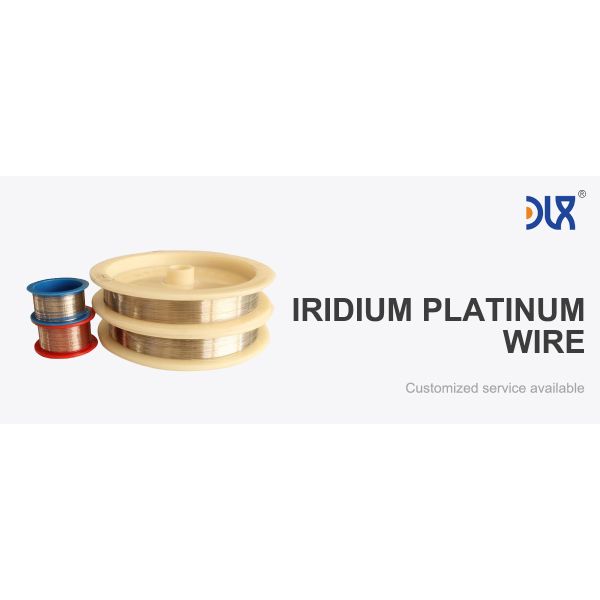
Iridium-Platinum Wire
Certification :
China,Jiangsu
Place of Origin :
Ce,Rohs
MOQ :
10kg
Payment Terms :
L/C,D/P,D/A,T/T,Western Union,
Supply Ability :
500 tons per month
Delivery Time :
7-10 work days
Description
Iridium-Platinum Wire for High-Performance Fuel Cells

In the fast-evolving field of fuel cell technology, performance and durability stand as the dual pillars of efficient chemical-to-electrical energy conversion. As industries and governments worldwide accelerate the shift toward carbon-neutral energy systems, fuel cells have emerged as a cornerstone technology—offering clean, reliable power for transportation, industrial processes, and stationary applications. A critical determinant of long-lasting, high-performing fuel cells lies in the material selected for electrochemical reactions, where even minor deficiencies can compromise efficiency, increase maintenance costs, and limit operational lifespans. Iridium-Platinum Wire stands at the forefront of these advanced materials, delivering an optimal balance of durability, electrochemical activity, and energy conversion efficiency. DLX Company is proud to supply premium Iridium-Platinum Wire engineered to significantly enhance fuel cell performance and longevity, addressing the most pressing needs of today’s energy transition.

Product Introduction
Corrosion Resistant Iridium-Platinum Wire with High Electrochemical Activity for High-Performance Fuel Cells

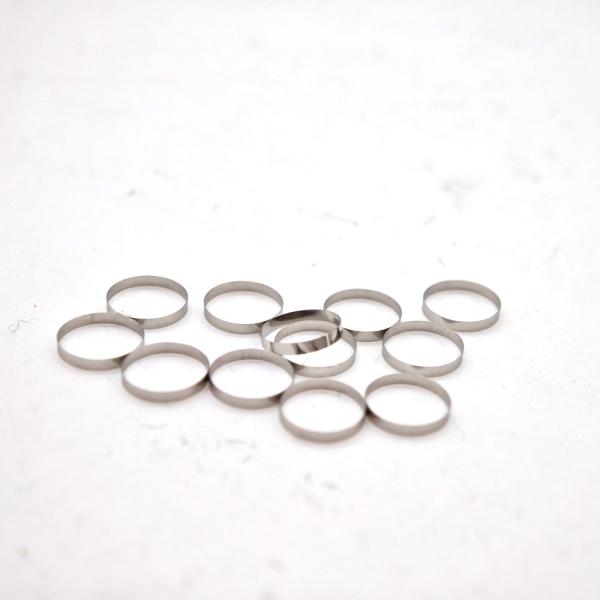
Iridium-Platinum Wire is a precision-engineered alloy of iridium and platinum—two of the most reliable and efficient precious metals for electrochemical processes. This strategic combination leverages the unique properties of each metal: iridium contributes exceptional high-temperature stability and corrosion resistance, while platinum delivers superior catalytic activity for hydrogen and oxygen reactions. The result is a wire with exceptional resistance to corrosion, oxidation, and degradation—key attributes for operation in the harsh environments of fuel cells, where extreme temperatures, acidic electrolytes, and fluctuating voltage conditions can rapidly degrade lesser materials.

Fuel cells, particularly Proton Exchange Membrane (PEM) fuel cells, are increasingly adopted across sectors from passenger vehicles to residential microgrids. These systems depend on high-performance materials for anode (hydrogen oxidation) and cathode (oxygen reduction) reactions, which directly impact power output and efficiency. Iridium-Platinum Wire plays a vital role in the catalyst layer of these electrodes, where its high surface area and catalytic activity boost reaction kinetics, reduce energy loss, and ensure long-term durability. Unlike pure platinum or iridium wires, the alloy minimizes “catalyst poisoning” from byproducts or contaminants, maintaining consistent performance in real-world conditions.Corrosion Resistant Iridium-Platinum Wire with High Electrochemical Activity for High-Performance Fuel Cells

Industry Analysis

The global fuel cell market is set for substantial growth, with a projected CAGR of over 20% through the next decade. This expansion is driven by tightening emissions regulations, declining green hydrogen costs, and increased infrastructure investment. Fuel cells are recognized as a top solution for reducing carbon emissions in hard-to-electrify sectors like heavy-duty transportation, where battery-electric systems face range and weight limitations.

A core industry challenge is enhancing fuel cell efficiency and lifespan, particularly for anode and cathode reactions. These processes depend heavily on material quality: small catalyst inefficiencies cause significant energy losses, while premature degradation leads to costly downtime. Iridium-Platinum Wire addresses both issues: its high catalytic activity reduces overpotential (extra voltage needed for reactions), and its corrosion resistance extends maintenance intervals. For example, in commercial vehicle PEM fuel cells, DLX’s wire has doubled service intervals compared to industry standards.

Ongoing R&D focuses on reducing precious metal reliance, but iridium and platinum remain irreplaceable for high-performance applications due to their unique property combination. As manufacturers scale production, Iridium-Platinum Wire will play an increasingly prominent role—its ability to deliver more power per gram of metal aligns with sustainability goals, minimizing material usage and environmental impact.

Applications of Iridium-Platinum Wire

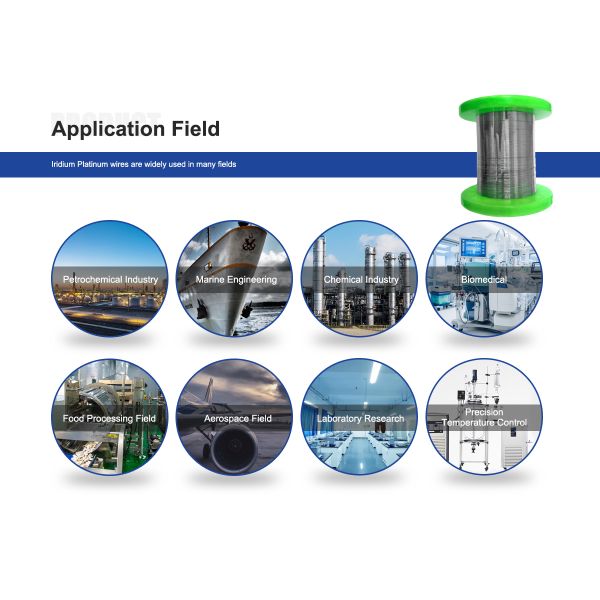
The primary application of Iridium-Platinum Wire is in fuel cell technology, driving performance across multiple use cases:

  • Fuel Cell Electrodes: Processed into ultra-fine filaments/powders for the catalyst layer, providing high reaction surface area. Ensures peak efficiency for extended periods—critical for backup power systems (instant full power after idle periods) and industrial continuous operation. A wastewater treatment plant reported 30% lower maintenance costs over five years vs. standard materials.
  • Hydrogen Fuel Cells: Catalyzes hydrogen-oxygen reactions in FCEVs, producing clean electricity and water. Maximizes energy output (extending vehicle range) and withstands extreme temperatures. In commercial trucking, its 5–10 year service life aligns with vehicle lifespans, eliminating mid-life catalyst replacements.
  • Energy Storage Systems: Used in flow batteries (grid-scale/off-grid storage) for long cycle life and low degradation. Enables renewable microgrids to store excess solar/wind energy. Also utilized in electrolyzers for green hydrogen production, creating a closed-loop clean energy system.Corrosion Resistant Iridium-Platinum Wire with High Electrochemical Activity for High-Performance Fuel Cells
Why Choose DLX?

DLX Company is a trusted leader in energy sector high-performance materials, with decades of precious metal alloy expertise. Key advantages of our Iridium-Platinum Wire include:

  • Exceptional Quality: 99.99%+ purity via proprietary smelting/drawing processes that eliminate catalyst-poisoning impurities. Rigorous testing (ICP spectroscopy, electrochemical analysis) ensures compliance with strict industry standards.
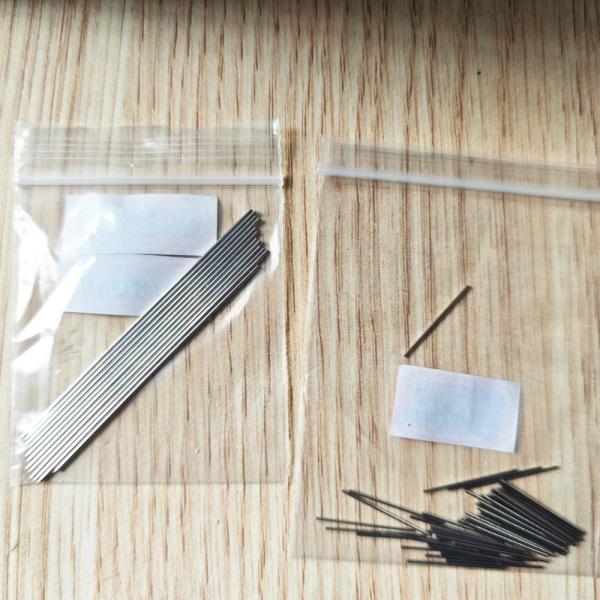
  • Tailored Solutions: Customizable diameters (0.1–2 mm), lengths, and configurations (stranded wire, flattened ribbons). Engineering team optimizes properties for specific use cases (e.g., increased iridium content for high temperatures) to ensure seamless integration.
  • Longer Service Life: 5–10 years of reliable performance (vs. 2–5 years for industry standards), reducing replacement frequency and downtime. A 100-bus fleet could avoid $500k in replacement costs over a decade, with less waste from discarded components.
  • Proven Expertise: R&D partnerships with leading universities and a global supply chain ensure consistent availability and cutting-edge solutions. Supports startups and Fortune 500 companies alike in scaling fuel cell production.
FAQs
  • How does Iridium-Platinum Wire improve fuel cell efficiency?

It provides a stable, high-activity catalyst surface that accelerates hydrogen-oxygen reactions, reducing overpotential and minimizing heat loss. This translates to a 5–10% efficiency increase vs. standard materials, extending vehicle range or reducing fuel consumption.

  • What makes it ideal for fuel cells?

The alloy combines platinum’s superior catalytic activity with iridium’s corrosion resistance and high-temperature stability. Unlike pure platinum, it resists dissolution in acidic PEM environments and withstands catalyst poisoning from contaminants like carbon monoxide.

  • How long does it last in fuel cells?

5–10 years with proper maintenance (vs. 2–5 years for industry standards). Lifespan varies by environment: 8–10 years for residential backup power, 5–7 years for heavy-duty trucking. Regular electrode cleaning and fuel purity maintenance extend longevity.

  • Can it be used in other energy applications?

Yes—suitable for green hydrogen electrolyzers, flow batteries, industrial electrochemical reactors, and sensors, where high stability and catalytic activity are essential.

  • How does it compare to other materials?

Outperforms pure platinum (poor corrosion resistance), pure iridium (low catalytic activity), and base metal alloys (insufficient stability for high-performance PEM systems) in key metrics: corrosion resistance, electrochemical stability, and operational life.

  • What fuel cell types use it?

Primarily PEM fuel cells (most common for transportation/stationary applications), but also compatible with DMFCs and SOFCs—especially effective in harsh operating conditions requiring corrosion resistance.

  • Does DLX offer customization?

Yes—diameters (0.1–2 mm, smaller than industry minimum 0.2 mm), lengths up to 100 meters, and specialized configurations. Engineering team collaborates to meet design constraints and performance goals.

  • How does DLX ensure quality?

Strict quality control includes certified raw material sourcing, proprietary manufacturing processes, and multi-stage testing (ICP spectroscopy, dimensional inspection). ISO 9001 certification and traceability systems track each spool’s origin and quality.

Send your message to this supplier
Send Now

Corrosion Resistant Iridium-Platinum Wire with High Electrochemical Activity for High-Performance Fuel Cells

Ask Latest Price
Brand Name :
DLX
Model Number :
Iridium-Platinum Wire
Certification :
China,Jiangsu
Place of Origin :
Ce,Rohs
MOQ :
10kg
Payment Terms :
L/C,D/P,D/A,T/T,Western Union,
Contact Supplier
Corrosion Resistant Iridium-Platinum Wire with High Electrochemical Activity for High-Performance Fuel Cells

Changzhou DLX Alloy Co., Ltd.

Verified Supplier
6 Years
jiangsu, changzhou
Since 2002
Business Type :
Manufacturer, Seller
Total Annual :
1000000-120000000+
Employee Number :
100~150
Certification Level :
Verified Supplier
Contact Supplier
Submit Requirement