Hydrogen production is a key focus in today’s energy transition, and materials used in this process play a crucial role in improving efficiency and reducing costs. One such material that stands out is Hastelloy C276, a highly versatile and corrosion-resistant alloy. At DLX Company, we understand the importance of using the best materials to maximize hydrogen production efficiency, and our Hastelloy C276 bars offer exceptional performance for electrolysis applications.
In this article, we will explore the key features, advantages, and applications of Hastelloy C276, along with a detailed product specification table and insights into the industry’s trends. We’ll also highlight why DLX Company stands out as a reliable partner in providing top-quality materials for hydrogen production.
Hastelloy C276 is a nickel-molybdenum-chromium alloy known for its outstanding resistance to a wide range of corrosive environments. This makes it an ideal material for use in electrolysis cells, where high-performance materials are essential for sustaining long-term efficiency and avoiding failure due to corrosion or wear. In the context of hydrogen production, Hastelloy C276 is particularly beneficial for its ability to withstand the aggressive conditions of electrolysis processes, including high temperatures and highly acidic or alkaline environments.
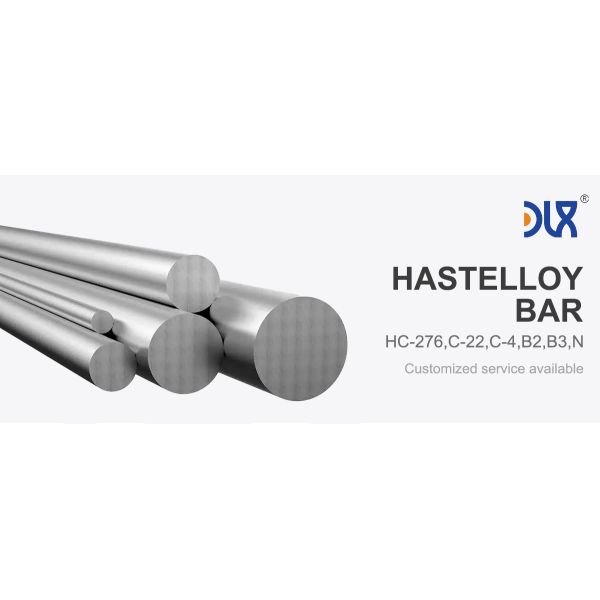
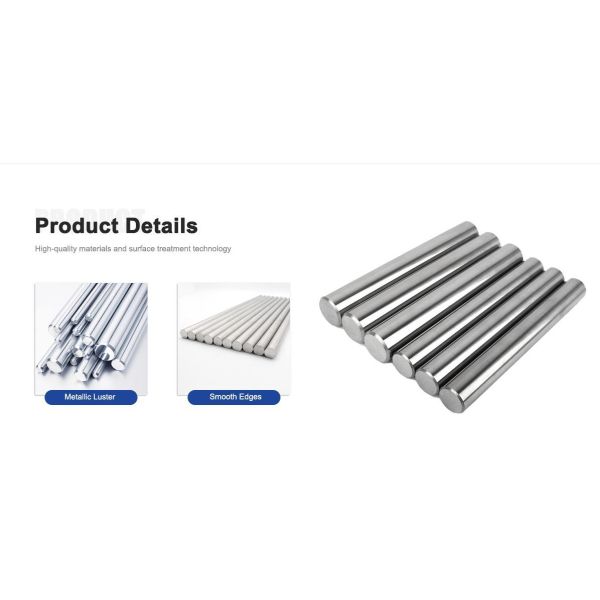
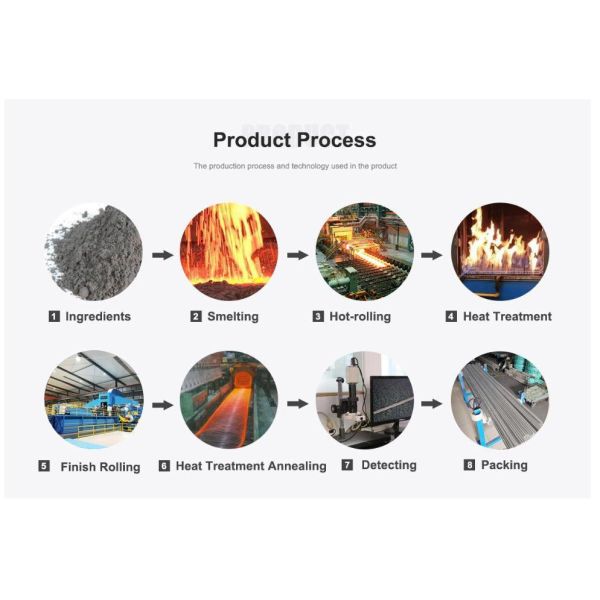
At DLX Company, we supply premium-quality Hastelloy C276 bars designed specifically for electrolysis applications. Our products are manufactured to the highest standards, ensuring consistent performance and durability over time. Whether you're developing a new hydrogen production facility or looking to improve the efficiency of an existing one, our Hastelloy C276 bars provide the reliability you need.
item | HC-276 | C-22 | C-4 | B2 | B3 | N |
|---|---|---|---|---|---|---|
C | ≤0.01 | ≤0.015 | ≤0.015 | ≤0.02 | ≤0.01 | 0.04-0.08 |
Mn | ≤1 | ≤0.5 | ≤1 | ≤1 | ≤3 | ≤1 |
Fe | 4-7 | 2-6 | ≤3 | ≤2 | ≤1.5 | ≤5 |
P | ≤0.04 | ≤0.02 | ≤0.04 | ≤0.04 | -- | ≤0.015 |
S | ≤0.03 | ≤0.02 | ≤0.03 | ≤0.03 | -- | ≤0.02 |
Si | ≤0.08 | ≤0.08 | ≤0.08 | ≤0.1 | ≤0.1 | ≤1 |
Ni | rest | rest | rest | rest | ≤65 | rest |
Co | ≤2.5 | ≤2.5 | ≤2 | ≤1 | ≤3 | ≤0.2 |
Ti+Cu | -- | -- | ≤0.7 | -- | ≤0.4 | ≤0.35 |
Al+Ti | -- | -- | -- | -- | ≤0.5 | ≤0.5 |
Cr | 14.5-16.5 | 20-22.5 | 14-18 | ≤1 | ≤1.5 | 6-8 |
Mo | 15-17 | 12.5-14.5 | 14-17 | 26-30 | ≤28.5 | 15-18 |
B | -- | -- | -- | -- | -- | ≤0.01 |
W | 3-4.5 | 2.5-3.5 | -- | -- | ≤3 | ≤0.5 |
V | ≤0.35 | ≤0.35 | -- | 0.2-0.4 | -- | ≤0.5 |
Shape | Size (mm) |
|---|---|
Wire | 0.5-7.5 |
Rod/Bar | 8.0-200 |
Strip | (0.5-2.5)*(5-180) |
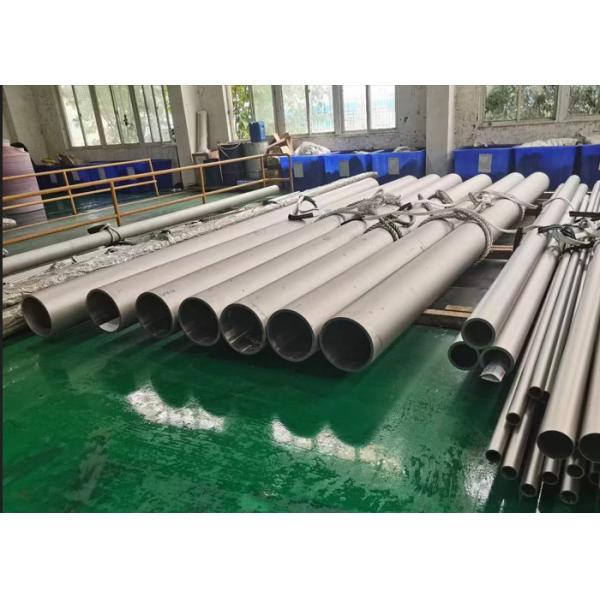
Tube/Pipe | Custom made |
Sheet/Plate | Custom made |
Superior Corrosion Resistance: Hastelloy C276 is exceptionally resistant to corrosion, particularly in harsh environments such as chlorine, sulfuric acid, and seawater. This makes it ideal for hydrogen production through electrolysis, where corrosive environments are a constant challenge.
High Temperature Performance: The alloy retains its strength and resistance to oxidation at high temperatures, making it suitable for both high-pressure and high-temperature electrolysis processes.
Long Service Life: Due to its durability and resistance to wear, Hastelloy C276 extends the operational life of electrolysis equipment, reducing downtime and maintenance costs.
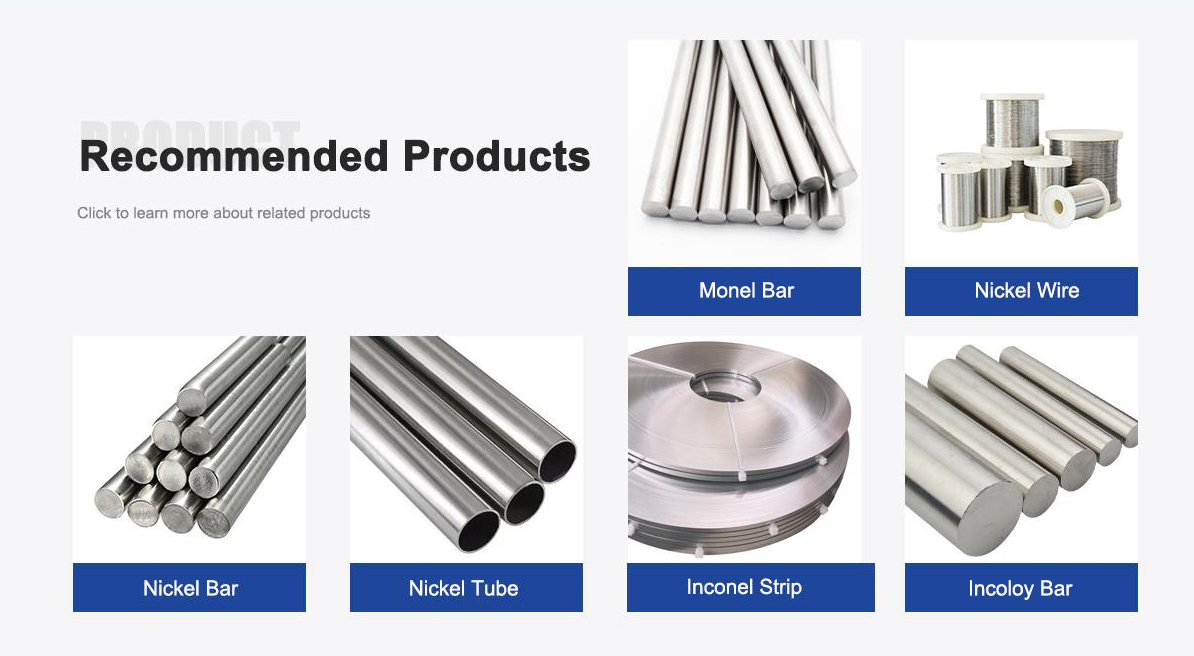
Adaptability: Hastelloy C276 is highly versatile and can be fabricated into various forms, such as bars, sheets, and wires, to meet the specific needs of different applications.
Environmental Compatibility: As hydrogen production becomes more critical in reducing carbon emissions, Hastelloy C276’s role in ensuring the longevity and efficiency of electrolysis equipment supports a more sustainable and eco-friendly energy production process.


Improved Efficiency in Hydrogen Production: By using Hastelloy C276 in electrolyzers, companies can enhance the overall efficiency of hydrogen production. Its corrosion resistance reduces the likelihood of failures, leading to more consistent hydrogen output.
Lower Maintenance Costs: The exceptional resistance to corrosion and wear means that Hastelloy C276 components need less frequent replacement, reducing downtime and maintenance expenses.
Higher Reliability: Due to its stable performance under extreme conditions, Hastelloy C276 ensures that hydrogen production systems run reliably, minimizing the risks associated with material failure.
Cost-Effective in the Long Run: While the upfront cost of Hastelloy C276 may be higher compared to other materials, its durability and efficiency ensure a lower total cost of ownership over the lifecycle of the equipment.
The global hydrogen production market is undergoing a significant transformation, driven by the need for clean energy solutions. As countries and companies focus on reducing carbon emissions, hydrogen is increasingly seen as a key part of the future energy mix. Electrolysis, particularly through the use of renewable electricity, has emerged as one of the most promising methods for producing green hydrogen.
Key trends in the hydrogen production industry include:
Rising Demand for Green Hydrogen: With a strong push toward decarbonization, governments and businesses are investing heavily in green hydrogen production, which is hydrogen produced using renewable energy sources.
Increased Focus on Electrolysis: Electrolysis, powered by renewable energy, is gaining traction as a sustainable method of producing hydrogen. As the technology evolves, there is an increased demand for high-performance materials like Hastelloy C276.
Government Support: Governments around the world are offering incentives and subsidies to promote clean hydrogen production, further driving investment and growth in the sector.
Technological Advancements: Research and development in electrolysis technology are improving efficiency and lowering costs, further accelerating the adoption of hydrogen as a clean energy source.
As these trends continue, the demand for corrosion-resistant materials like Hastelloy C276 will only increase, making it an essential component in the development of hydrogen production technologies.
Hastelloy C276 is primarily used in the following applications within the hydrogen production industry:
Electrolysis Cells: Hastelloy C276 is commonly used in the electrodes, catalysts, and other critical components of electrolysis cells, where its resistance to corrosion and high temperature ensures optimal performance.
Hydrogen Storage Systems: In addition to electrolysis, Hastelloy C276 is used in the storage tanks and pipelines where hydrogen is stored or transported. Its resistance to hydrogen embrittlement ensures the safety and longevity of these systems.
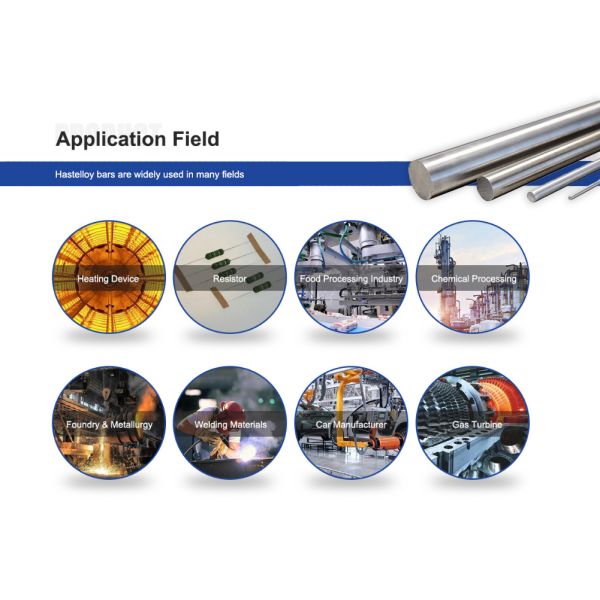
Other Industrial Applications: Hastelloy C276 is also used in other industries that require high corrosion resistance, such as chemical processing, power generation, and petrochemical production.


DLX Company stands out as a leading supplier of high-quality Hastelloy C276 bars. Here’s why:
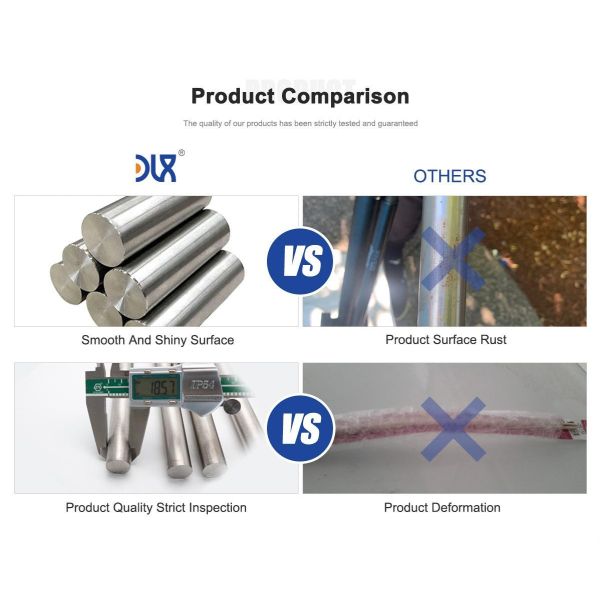
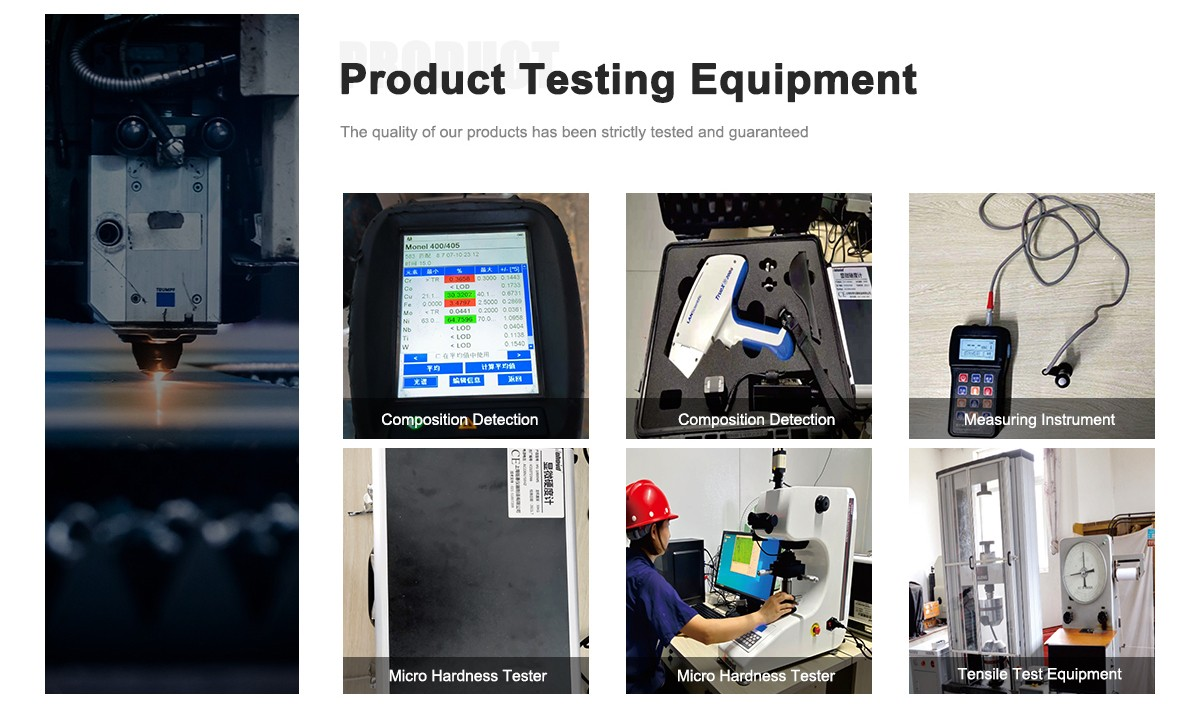
Quality Assurance: We adhere to stringent manufacturing standards, ensuring that our products meet or exceed industry requirements.
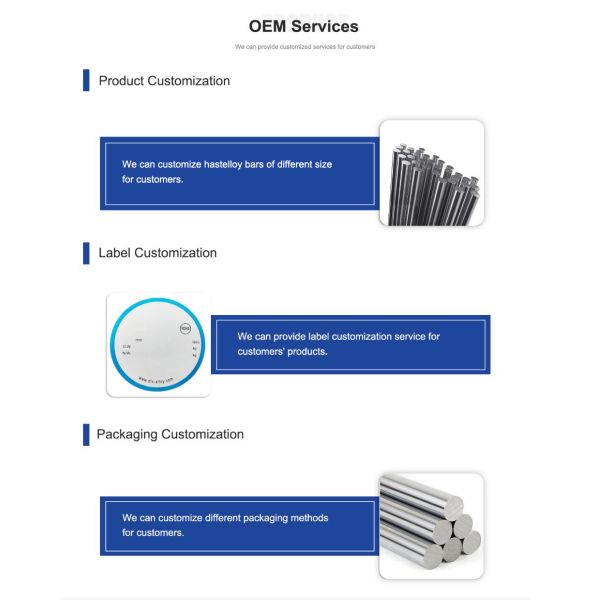
Expert Support: Our team of experts is always available to assist with technical support, product selection, and customizations.
Competitive Pricing: We offer highly competitive prices without compromising on quality, ensuring you get the best value for your investment.
Custom Solutions: We understand that every project is unique. We work closely with clients to provide tailored solutions to meet specific needs and application requirements.
Timely Delivery: With our efficient supply chain management, we ensure on-time delivery to keep your projects on track.


What is the primary advantage of using Hastelloy C276 in hydrogen production?
The primary advantage is its superior resistance to corrosion and high temperatures, which ensures longer operational life and higher efficiency in electrolysis processes.
How does Hastelloy C276 compare to other materials for electrolysis?
While other materials may offer some level of corrosion resistance, Hastelloy C276 outperforms most in terms of overall durability and resistance to a wide range of corrosive environments.
What industries use Hastelloy C276 besides hydrogen production?
In addition to hydrogen production, Hastelloy C276 is used in chemical processing, petrochemical, power generation, and other industries requiring high resistance to corrosive environments.
Can Hastelloy C276 be used for high-pressure electrolysis?
Yes, Hastelloy C276 is ideal for high-pressure environments due to its excellent mechanical properties and resistance to cracking under stress.
What are the environmental benefits of using Hastelloy C276 in electrolysis?
The durability and efficiency of Hastelloy C276 contribute to a more sustainable and eco-friendly hydrogen production process, reducing waste and operational costs.
How long will Hastelloy C276 last in electrolysis applications?
Hastelloy C276’s long service life can span several years, depending on the specific operating conditions. Its resistance to corrosion and wear reduces the need for frequent replacements.
Is Hastelloy C276 suitable for both acidic and alkaline environments?
Yes, Hastelloy C276 offers exceptional resistance to both acidic and alkaline conditions, making it versatile for various electrolytic processes.
Can DLX Company customize Hastelloy C276 products?
Yes, DLX offers custom solutions to meet specific needs, including customized sizes and shapes of Hastelloy C276 bars for different applications.