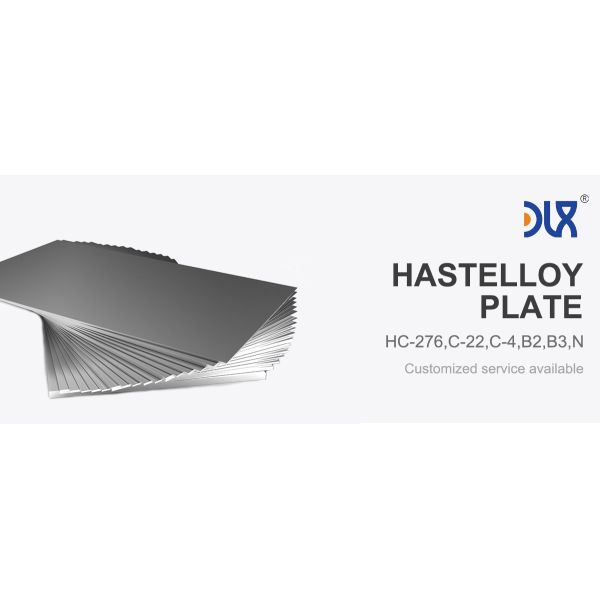
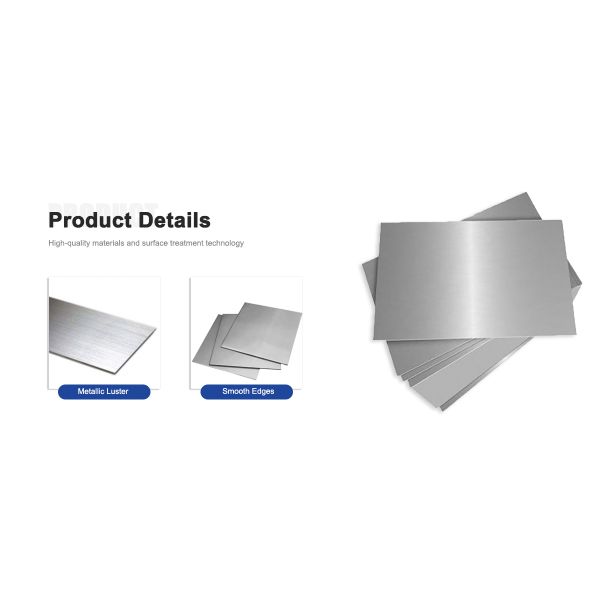
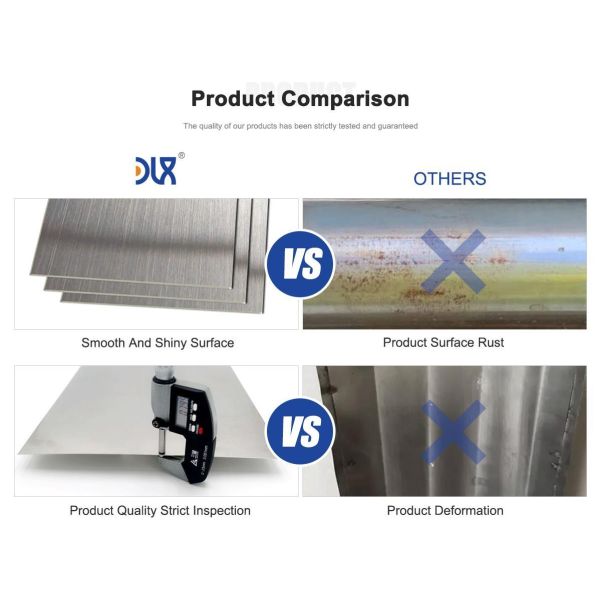
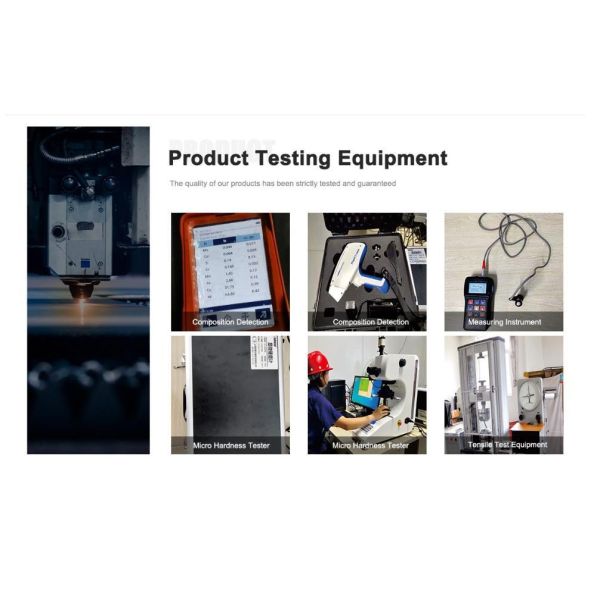
Renewable energy is transforming the global energy landscape, with electrochemical systems playing a critical role in harnessing clean, sustainable energy sources. From hydrogen production to energy storage, the materials used in these systems must be resilient, long-lasting, and able to withstand aggressive environments. This is where Hastelloy C22 plates stand out. Known for their excellent corrosion resistance, high strength, and thermal stability, Hastelloy C22 plates are an ideal choice for enhancing the efficiency and durability of electrochemical systems in the renewable energy sector.
At DLX Company, we provide high-quality Hastelloy C22 plates designed specifically for demanding electrochemical applications. Whether you're involved in hydrogen production, fuel cells, or energy storage, Hastelloy C22 is a reliable solution that ensures long-term performance even in harsh conditions. In this article, we’ll explore the advantages of using Hastelloy C22 plates in renewable energy electrochemical systems and why DLX is the trusted supplier for these critical materials.
Product Introduction: Why Choose Hastelloy C22 Plates for Electrochemical Systems in Renewable Energy?
In the renewable energy industry, electrochemical processes such as hydrogen production, fuel cell technology, and energy storage rely on materials that can withstand harsh, corrosive environments. Hastelloy C22 plates, made from a high-performance nickel-chromium-molybdenum alloy, are engineered to perform exceptionally well in these settings.
The superior corrosion resistance of Hastelloy C22 makes it a top choice for systems exposed to aggressive chemicals, high currents, and elevated temperatures. It’s resistant to pitting, crevice corrosion, and stress corrosion cracking, ensuring that electrochemical components stay intact and functional for extended periods, even under demanding conditions. Whether you're designing electrolyzers, fuel cells, or energy storage systems, Hastelloy C22 ensures that your systems run more efficiently and last longer, minimizing downtime and maintenance costs.
Product Specifications
| Parameter | Value |
|---|---|
| Alloy Type | Hastelloy C22 |
| Chemical Composition | Ni, Mo, Cr, Fe, W |
| Density | 8.89 g/cm³ |
| Melting Point | 1370-1390°C |
| Tensile Strength | 930 MPa (min) |
| Yield Strength | 350 MPa (min) |
| Elongation | 40% (min) |
| Corrosion Resistance | Excellent in acidic/alkaline environments |
| Hardness | 200 HB |
| Thermal Conductivity | 10.6 W/m·K |
Key Features of Hastelloy C22 Plates for Electrochemical Systems in Renewable Energy
Exceptional Corrosion Resistance: Hastelloy C22 excels in environments exposed to corrosive elements like chlorides, acids, and bases. This makes it ideal for electrochemical processes such as hydrogen production via electrolysis, where components face aggressive electrolytes.
High Strength and Durability: Hastelloy C22 maintains its mechanical strength even at high temperatures and under mechanical stress, making it ideal for use in high-performance electrochemical systems like fuel cells and energy storage devices.
Resistance to Stress Corrosion Cracking: One of the main challenges in electrochemical systems is stress corrosion cracking, particularly in systems with high chloride concentrations. Hastelloy C22 offers outstanding resistance to stress corrosion cracking, enhancing the longevity of your components.
High Thermal Stability: Electrochemical reactions often generate heat, which can impact the performance and integrity of materials. Hastelloy C22 has excellent thermal stability, ensuring that it retains its strength and corrosion resistance even under high-temperature conditions.
Ease of Fabrication and Welding: Whether you're designing intricate components for hydrogen production or constructing energy storage systems, Hastelloy C22 is easy to fabricate and weld, allowing for high-quality, custom-made components.

Advantages of Using Hastelloy C22 Plates in Electrochemical Systems for Renewable Energy
Improved System Efficiency and Reliability: The corrosion-resistant properties of Hastelloy C22 reduce the need for frequent maintenance and repairs, leading to more efficient and reliable electrochemical systems, whether for hydrogen production or energy storage.
Extended Equipment Lifespan: The ability of Hastelloy C22 to resist degradation from corrosive electrolytes and harsh conditions significantly extends the operational lifespan of equipment, reducing downtime and the need for part replacements.
Reduced Maintenance and Operating Costs: Hastelloy C22's resistance to corrosion and mechanical stress minimizes maintenance needs and extends the lifespan of your electrochemical systems. This translates into long-term cost savings for renewable energy projects.
Enhanced Safety in Harsh Environments: Electrochemical systems often operate in environments with high pressure, temperature, and chemical exposure. Hastelloy C22 provides excellent protection against material failure, ensuring safety in these demanding conditions.
Sustainability Benefits: By using materials that last longer and resist corrosion, Hastelloy C22 reduces the frequency of replacements, contributing to a more sustainable approach to manufacturing and energy production.
Industry Insights: The Role of Hastelloy C22 in Advancing Renewable Energy Electrochemical Systems
The renewable energy industry is expanding rapidly, with electrochemical systems playing a crucial role in sustainable energy production and storage. As industries shift towards cleaner energy sources, the demand for durable materials capable of withstanding the harsh environments of electrochemical processes has increased significantly.
Key industry trends include:
Growth of Hydrogen Economy: With the global focus on reducing carbon emissions, hydrogen production has emerged as a key component of the energy transition. Hastelloy C22 is in high demand in electrolyzers and fuel cells, where it ensures reliable operation under harsh conditions.
Advancements in Energy Storage Technology: As renewable energy sources like solar and wind become more widespread, energy storage systems are increasingly important. Hastelloy C22 plays a vital role in improving the efficiency and longevity of these storage systems, helping to stabilize energy grids.
Focus on Clean Energy Materials: The renewable energy sector is also focused on the long-term sustainability of materials. By choosing highly durable materials like Hastelloy C22, companies can reduce their carbon footprint and create more efficient, environmentally friendly energy systems.
Applications of Hastelloy C22 Plates in Renewable Energy Electrochemical Systems
Hydrogen Production Electrolyzers: Electrolysis is a critical method for producing hydrogen. Hastelloy C22 plates are used in electrolyzers to ensure efficient hydrogen production, with materials resistant to corrosive electrolytes and high current densities.
Fuel Cells: Hastelloy C22 is often used in fuel cell systems, which are used to store and generate power from hydrogen. The material’s resistance to corrosion and high-temperature stability makes it ideal for these applications, ensuring long-lasting fuel cell performance.
Energy Storage Systems: In renewable energy storage systems, such as batteries and capacitors, Hastelloy C22 is used for components exposed to aggressive chemicals, high currents, and elevated temperatures, improving the system’s overall performance and lifespan.
Piping and Heat Exchangers in Electrochemical Systems: Hastelloy C22 is also used in piping systems and heat exchangers for renewable energy systems where they come into contact with corrosive electrolytes and gases. Its resistance to pitting and crevice corrosion ensures the system’s durability and efficiency.
Electrochemical Capacitors: In advanced energy storage technologies, electrochemical capacitors require materials that can endure rapid charge and discharge cycles. Hastelloy C22 ensures the longevity and reliability of these components in energy storage applications.


Why Choose DLX Company for Hastelloy C22 Plates?
Exceptional Quality: DLX ensures that every Hastelloy C22 plate meets the highest industry standards, offering excellent corrosion resistance and long-lasting performance for your renewable energy systems.
Customized Solutions: We offer a range of customized sizes and finishes to meet the specific needs of your renewable energy projects, ensuring that your components are tailored for optimal performance.
Technical Expertise: Our team of experts provides in-depth technical support to help you select the right materials for your electrochemical systems, ensuring that your renewable energy solutions operate at their best.
Fast Delivery and Competitive Pricing: We understand the importance of timely delivery and cost-effective solutions. DLX offers fast shipping and competitive pricing, helping you keep your projects on track and within budget.


FAQs
Why is Hastelloy C22 ideal for renewable energy electrochemical systems?
Hastelloy C22 provides exceptional resistance to corrosion, stress corrosion cracking, and high temperatures, making it perfect for applications in hydrogen production, fuel cells, and energy storage.
Can Hastelloy C22 be used in both fuel cells and electrolyzers?
Yes, Hastelloy C22 is widely used in both fuel cells and electrolyzers because of its ability to withstand the aggressive environments involved in these processes, such as high currents and corrosive electrolytes.
What are the advantages of using Hastelloy C22 in energy storage systems?
Hastelloy C22 offers corrosion resistance, high strength, and durability, making it ideal for components exposed to corrosive electrolytes and high temperatures in energy storage systems, ensuring efficient performance and extended system life.
How does Hastelloy C22 handle high-temperature electrochemical reactions?
Hastelloy C22 is designed to maintain its structural integrity even at elevated temperatures, making it perfect for high-temperature electrochemical reactions in hydrogen production and other renewable energy applications.
Is Hastelloy C22 resistant to pitting and crevice corrosion in harsh environments?
Yes, Hastelloy C22 provides excellent resistance to pitting and crevice corrosion, particularly in environments exposed to chloride ions, making it a reliable choice for corrosive electrolytes in renewable energy systems.
Can Hastelloy C22 be used in both acidic and alkaline conditions?
Yes, Hastelloy C22 is highly resistant to both acidic and alkaline conditions, offering superior performance in a wide range of electrochemical systems, from hydrogen production to fuel cells.
How does Hastelloy C22 compare to other materials in terms of cost and performance?
While Hastelloy C22 may have a higher initial cost compared to some other materials, its exceptional corrosion resistance and long service life lead to significant cost savings over time due to reduced maintenance and replacement needs.
What industries benefit from using Hastelloy C22 plates in electrochemical systems?
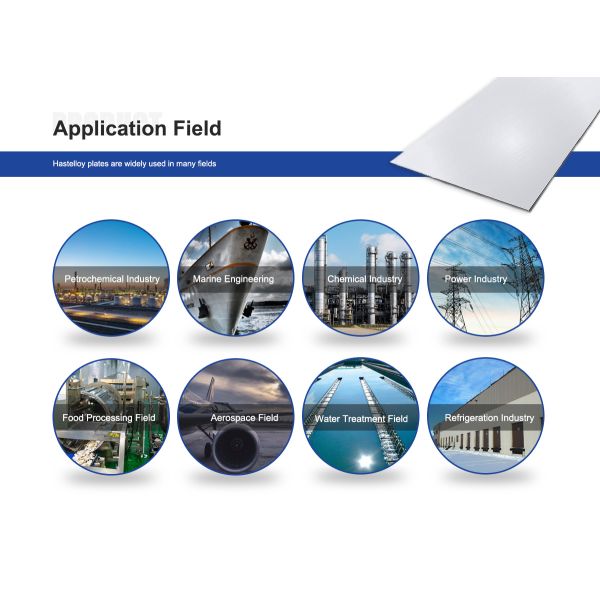
Industries such as renewable energy, hydrogen production, fuel cell technology, energy storage, and marine applications all benefit from using Hastelloy C22 plates due to their superior performance in challenging electrochemical environments.