Introduction
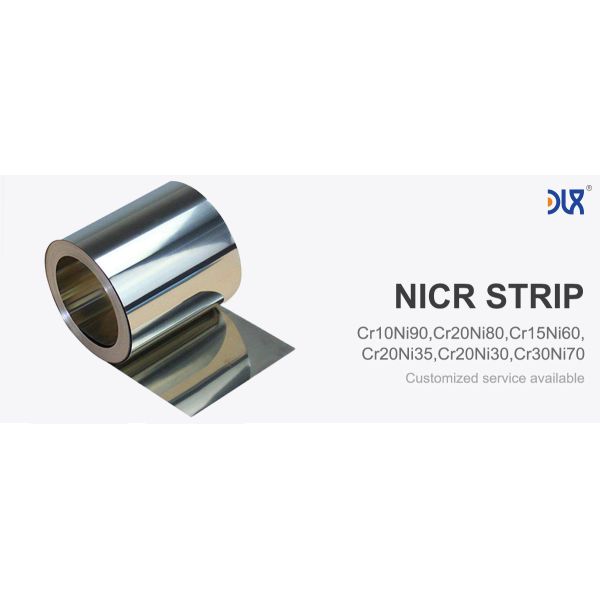
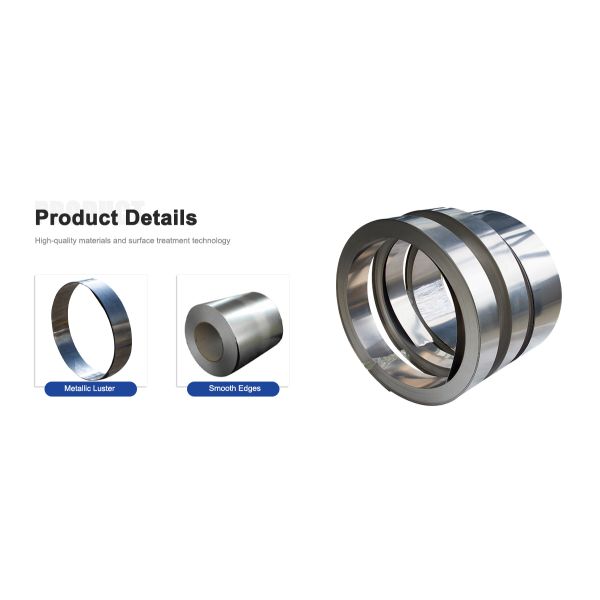
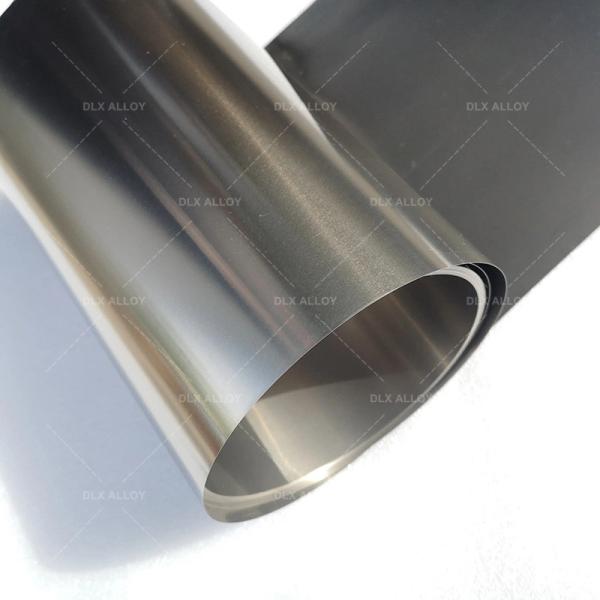
At DLX Company, we are proud to offer high-quality Premium NiCr Alloy Strips, a critical component for water electrolysis hydrogen generation systems. As industries push for more sustainable energy solutions, hydrogen production through water electrolysis has emerged as one of the most promising methods. Our NiCr alloy strips are specifically designed to provide optimal conductivity, durability, and performance in electrolysis environments. With DLX’s advanced manufacturing processes and rigorous quality control, our NiCr alloy strips ensure the highest reliability in hydrogen production systems.
Product Specifications
| Performance / material | Cr10Ni90 | Cr20Ni80 | Cr30Ni70 | Cr15Ni60 | Cr20Ni35 | Cr20Ni30 | |
|---|---|---|---|---|---|---|---|
| Composition | Ni | 90 | Rest | Rest | 55.0~61.0 | 34.0~37.0 | 30.0~34.0 |
| Cr | 10 | 20.0~23.0 | 28.0~31.0 | 15.0~18.0 | 18.0~21.0 | 18.0~21.0 | |
| Fe | -- | ≤1.0 | ≤1.0 | Rest | Rest | Rest | |
| Maximum temperature℃ | 1300 | 1200 | 1250 | 1150 | 1100 | 1100 | |
| Meltiing point ℃ | 1400 | 1400 | 1380 | 1390 | 1390 | 1390 | |
| Density g/cm3 | 8.7 | 8.4 | 8.1 | 8.2 | 7.9 | 7.9 | |
| Resistivity at 20℃ (μΩ·m) | -- | 1.09±0.05 | 1.18±0.05 | 1.12±0.05 | 1.00±0.05 | 1.04±0.05 | |
| Elongation at rupture | ≥20 | ≥20 | ≥20 | ≥20 | ≥20 | ≥20 | |
| Specific heat (J/g.℃) | -- | 0.44 | 0.461 | 0.494 | 0.5 | 0.5 | |
| Thermal conductivity (KJ/m.h℃) | -- | 60.3 | 45.2 | 45.2 | 43.8 | 43.8 | |
| Coefficient of lines expansion a×10-6/(20~1000℃) | -- | 18 | 17 | 17 | 19 | 19 | |
| Micrographic structure | -- | Austenite | Austenite | Austenite | Austenite | Austenite | |
| Magnetic properties | -- | Non-magnetic | Non-magnetic | Non-magnetic | Weak magnetic | Weak magnetic | |
| Shape | Size (mm) |
|---|---|
| Wire | 0.05-7.5 |
| Rod | 8-50 |
| Ribbon | (0.05-0.35)*(0.5-6.0) |
| Strip | (0.5-2.5)*(5-40) |
Features
Our Premium NiCr Alloy Strips offer the following features:
Superior Conductivity – With excellent electrical conductivity, NiCr alloys are ideal for ensuring efficient current flow in electrolysis processes, crucial for optimal hydrogen production.
High Corrosion Resistance – These strips are highly resistant to corrosion, particularly in alkaline electrolytes, ensuring a longer operational life in electrolysis cells.
Heat Resistance – Able to withstand temperatures of up to 800°C, our NiCr strips maintain their integrity and performance even in extreme operational conditions.
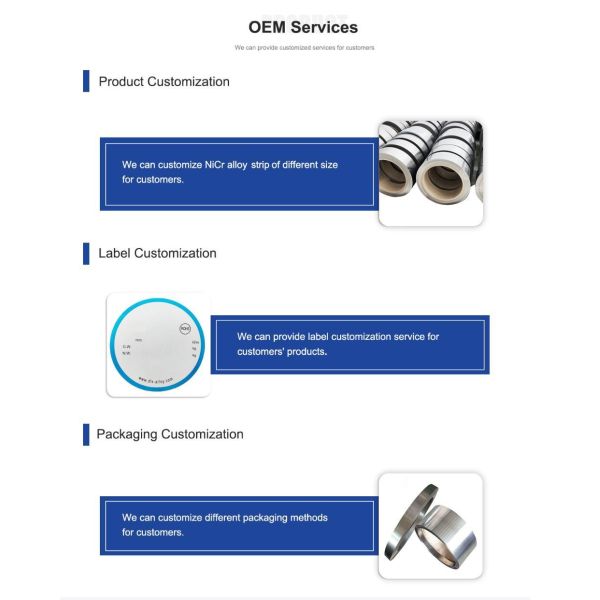
Customization Options – DLX offers a variety of sizes, thicknesses, and lengths, allowing for tailored solutions for your specific hydrogen production systems.
Durability – NiCr alloys are known for their strength and durability, ensuring longevity and reducing maintenance needs for water electrolysis systems.


Advantages of Using DLX Premium NiCr Alloy Strips
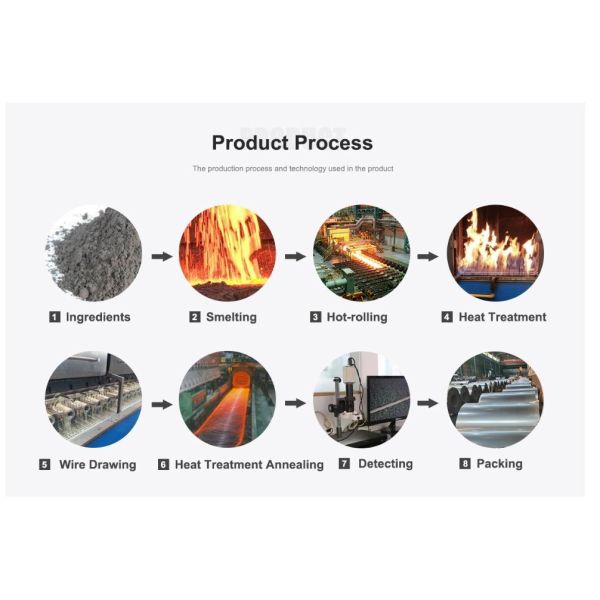
Unmatched Quality – At DLX, we control the entire manufacturing process from raw material selection to final product delivery, ensuring premium quality at every step.
Cost-Effective Solution – Our NiCr strips offer an excellent balance of performance and cost-efficiency, making them an ideal choice for companies looking to optimize their hydrogen production without compromising on quality.
Innovation at the Core – We constantly invest in research and development to improve our products, ensuring that we stay ahead of industry trends and meet the evolving needs of our customers.
Global Supply Chain – DLX’s efficient global supply chain ensures timely delivery and availability, regardless of your location.
Sustainability Focus – As a company, we are committed to supporting the global shift toward green energy. Our NiCr strips contribute to the efficiency of hydrogen production, a clean energy source for the future.
Industry Analysis
The demand for hydrogen is rapidly increasing, driven by its critical role in reducing global carbon emissions. Water electrolysis is one of the most sustainable methods for producing hydrogen, as it uses renewable energy to split water into hydrogen and oxygen. The electrolysis process relies heavily on the performance of materials like NiCr alloy strips, which are responsible for facilitating the electrical current needed for the reaction.
The global market for hydrogen is expected to grow significantly in the coming years, driven by the need for clean energy solutions in sectors such as transportation, industrial manufacturing, and energy storage. This growth is expected to increase demand for high-quality NiCr alloys that can withstand the harsh conditions of electrolysis systems. With our Premium NiCr Alloy Strips, DLX is poised to be a key supplier to this rapidly expanding market.
Applications of NiCr Alloy Strips in Hydrogen Production
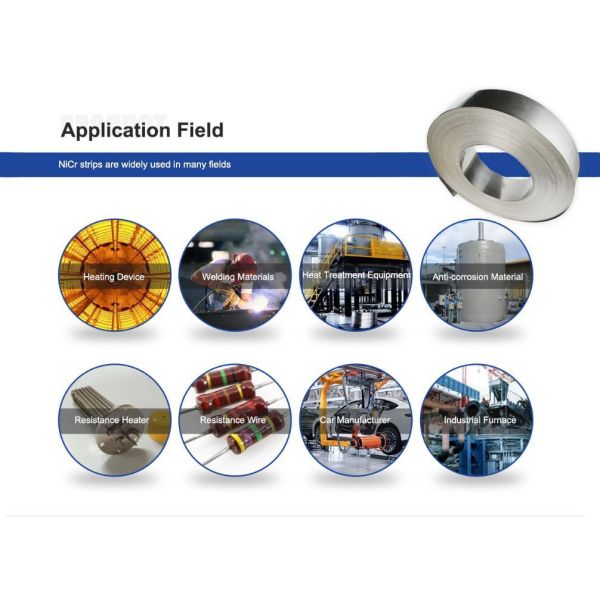
NiCr alloy strips are essential components in water electrolysis systems, playing a pivotal role in hydrogen generation. They are typically used in the following applications:
Electrolyzers – NiCr strips are commonly used in both alkaline and PEM electrolyzers, where they serve as anode and cathode electrodes for hydrogen production.
Renewable Energy Storage – Hydrogen produced via electrolysis can be stored and used as a clean energy source, contributing to the development of renewable energy storage solutions.
Fuel Cells – NiCr strips are used in fuel cell technologies, where they facilitate the conversion of hydrogen into electricity for clean power generation.
Industrial Applications – Industries that require large-scale hydrogen production, such as refining, chemical production, and steel manufacturing, use electrolyzers equipped with NiCr alloy strips for efficient hydrogen generation.


Comparison to Other Companies
DLX stands out in the marketplace for several reasons:
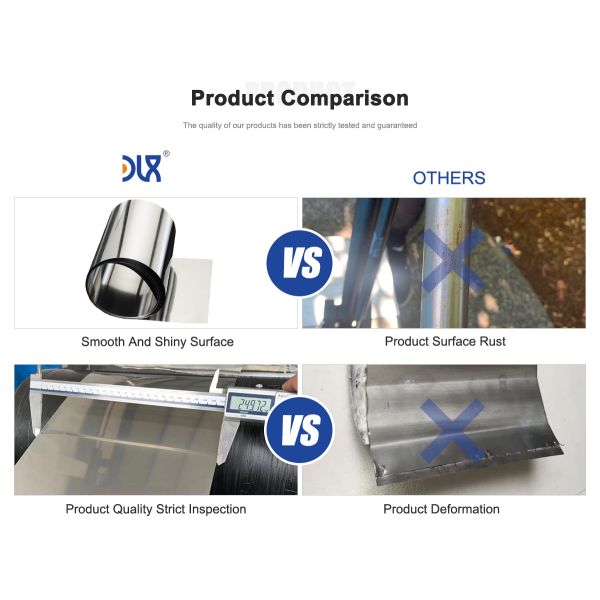
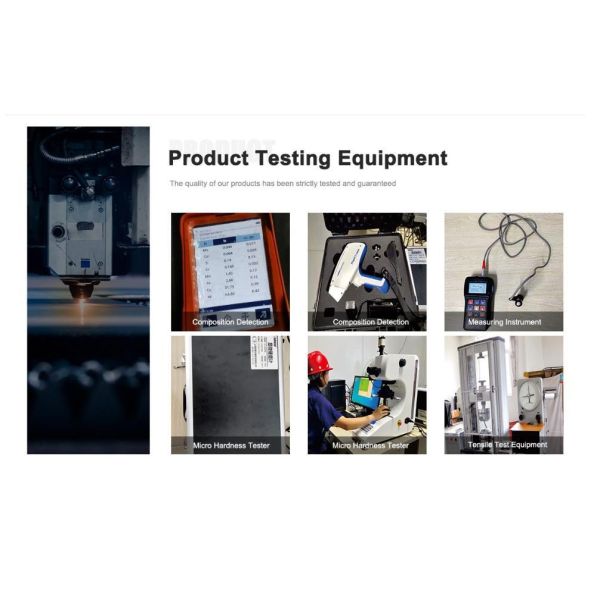
Commitment to Quality: We rigorously test each batch of our NiCr strips to ensure they meet the highest standards of performance and reliability.
Customer-Centric Approach: We pride ourselves on providing personalized service to our clients, offering custom sizes and quick delivery tailored to their needs.
Sustainability: Our products are designed to support the global transition to renewable energy, ensuring that each strip helps reduce the environmental footprint of hydrogen production.
Innovation: With ongoing R&D efforts, we continue to improve our products, ensuring that our NiCr alloy strips maintain cutting-edge performance for all electrolysis systems.


FAQs
Why is NiCr Alloy Used in Electrolysis?
NiCr alloy is known for its excellent electrical conductivity, resistance to corrosion, and ability to withstand high temperatures, making it the ideal material for electrolysis systems.
What Makes DLX’s NiCr Alloy Strips Stand Out?
DLX’s commitment to quality, durability, and customer satisfaction ensures that our NiCr alloy strips perform optimally and last longer than many alternatives.
How Do NiCr Strips Contribute to Efficient Hydrogen Production?
By offering high conductivity and corrosion resistance, NiCr strips ensure the electrolysis process is efficient, which leads to higher hydrogen yield and lower operational costs.
What Is the Typical Lifespan of NiCr Alloy Strips in Electrolysis Systems?
With their resistance to corrosion and high temperatures, our NiCr strips can last for several years in electrolysis systems, depending on operating conditions.
Are There Custom Size Options for NiCr Strips?
Yes, DLX offers customizable sizes, thicknesses, and lengths to fit specific applications in hydrogen production systems.
How Do I Know If NiCr Alloy Strips Are Right for My Electrolysis System?
Our team at DLX can help you assess your system's requirements and recommend the best NiCr strip options based on factors like temperature, current, and electrolyte conditions.
Can NiCr Strips Be Used in Both Alkaline and PEM Electrolyzers?
Yes, NiCr alloy strips are compatible with both alkaline and PEM electrolyzers, making them a versatile choice for various hydrogen production systems.
What Are the Industry Trends in Hydrogen Production?
The hydrogen market is rapidly growing due to the push for clean energy solutions. Water electrolysis is becoming a key technology in this space, driving demand for reliable materials like NiCr alloys.