Introduction
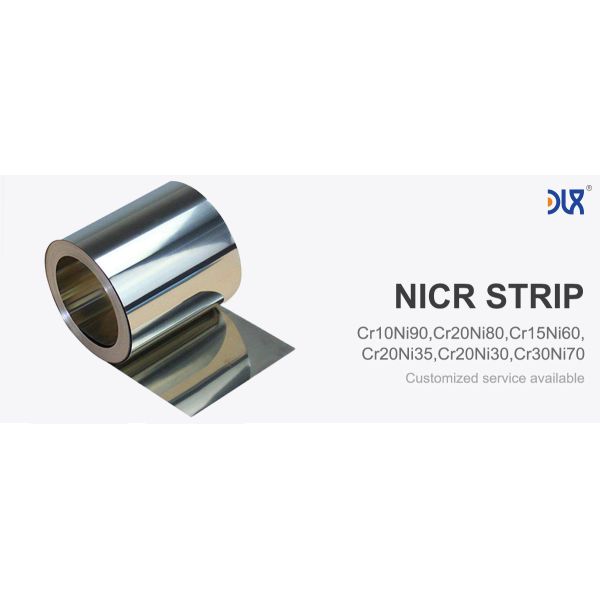
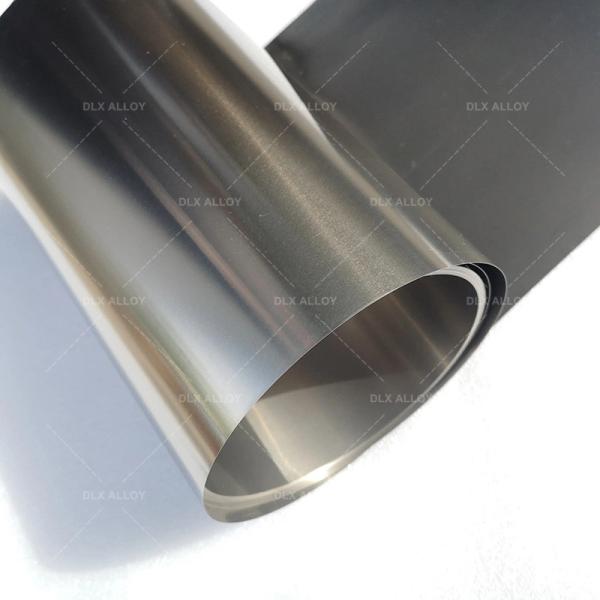
As the demand for clean and sustainable energy solutions grows, hydrogen production via water electrolysis is gaining significant traction. At the heart of efficient electrolysis systems are high-performance materials like Cr20Ni80 NiCr Conductive Strips. These strips, made from a premium nickel-chromium alloy (Cr20Ni80), are designed to enhance the efficiency, durability, and overall performance of electrolyzers, facilitating clean hydrogen production with optimized energy use. Cr20Ni80 NiCr alloy strips provide exceptional conductivity, corrosion resistance, and thermal stability, making them a critical component for hydrogen generation systems worldwide.
Product Specifications
| Performance / material | Cr10Ni90 | Cr20Ni80 | Cr30Ni70 | Cr15Ni60 | Cr20Ni35 | Cr20Ni30 | |
|---|---|---|---|---|---|---|---|
| Composition | Ni | 90 | Rest | Rest | 55.0~61.0 | 34.0~37.0 | 30.0~34.0 |
| Cr | 10 | 20.0~23.0 | 28.0~31.0 | 15.0~18.0 | 18.0~21.0 | 18.0~21.0 | |
| Fe | -- | ≤1.0 | ≤1.0 | Rest | Rest | Rest | |
| Maximum temperature℃ | 1300 | 1200 | 1250 | 1150 | 1100 | 1100 | |
| Meltiing point ℃ | 1400 | 1400 | 1380 | 1390 | 1390 | 1390 | |
| Density g/cm3 | 8.7 | 8.4 | 8.1 | 8.2 | 7.9 | 7.9 | |
| Resistivity at 20℃ (μΩ·m) | -- | 1.09±0.05 | 1.18±0.05 | 1.12±0.05 | 1.00±0.05 | 1.04±0.05 | |
| Elongation at rupture | ≥20 | ≥20 | ≥20 | ≥20 | ≥20 | ≥20 | |
| Specific heat (J/g.℃) | -- | 0.44 | 0.461 | 0.494 | 0.5 | 0.5 | |
| Thermal conductivity (KJ/m.h℃) | -- | 60.3 | 45.2 | 45.2 | 43.8 | 43.8 | |
| Coefficient of lines expansion a×10-6/(20~1000℃) | -- | 18 | 17 | 17 | 19 | 19 | |
| Micrographic structure | -- | Austenite | Austenite | Austenite | Austenite | Austenite | |
| Magnetic properties | -- | Non-magnetic | Non-magnetic | Non-magnetic | Weak magnetic | Weak magnetic | |
| Shape | Size (mm) |
|---|---|
| Wire | 0.05-7.5 |
| Rod | 8-50 |
| Ribbon | (0.05-0.35)*(0.5-6.0) |
| Strip | (0.5-2.5)*(5-40) |
Features
The Cr20Ni80 NiCr Conductive Strips offer several key features that make them ideal for electrolysis applications:
High Electrical Conductivity – Ensures efficient current flow during electrolysis, maximizing hydrogen production and minimizing energy loss.
Exceptional Corrosion Resistance – The Cr20Ni80 alloy resists corrosion in both acidic and alkaline electrolytes, ensuring long-term durability and reliability in harsh electrolysis environments.
Thermal Stability – Can operate at temperatures up to 800°C, providing stable performance even under high-heat conditions.
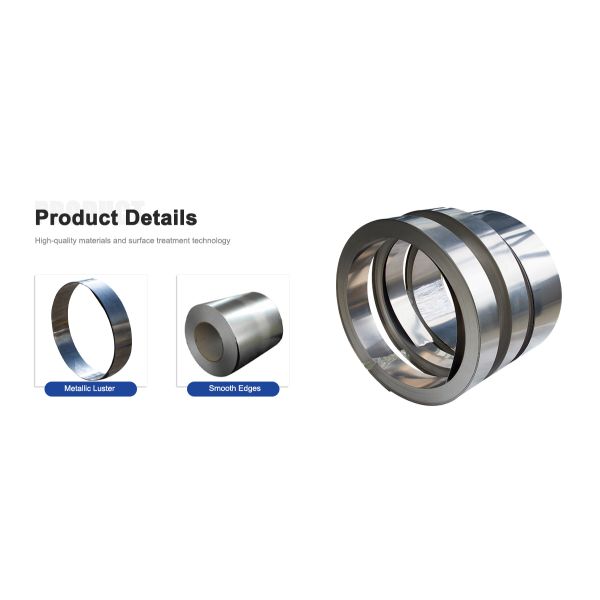
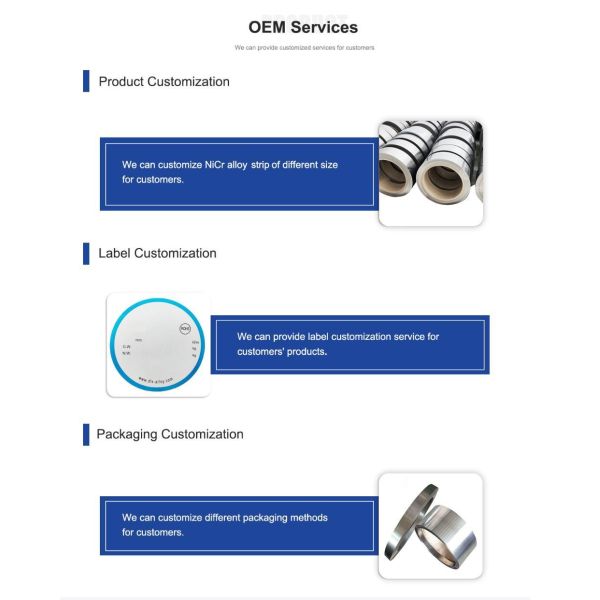
Customizable Sizes – Available in various thicknesses, widths, and lengths to fit different electrolysis system requirements.
Long Lifespan – The alloy's durability in both harsh environments and high temperatures significantly reduces the frequency of maintenance and replacement.


Advantages of Cr20Ni80 NiCr Conductive Strips
Enhanced Electrolyzer Efficiency – The superior conductivity and corrosion resistance of Cr20Ni80 NiCr strips help improve the overall efficiency of electrolysis systems, making hydrogen production more cost-effective and energy-efficient.
Extended Operational Life – The high corrosion resistance and ability to withstand high temperatures ensure that Cr20Ni80 strips perform effectively over extended periods, reducing operational interruptions.
Cost-Effective – With their durability and high performance, Cr20Ni80 NiCr strips help reduce the need for frequent maintenance and replacement, making them a cost-effective solution for electrolysis systems.
Versatility Across Applications – These strips are versatile and can be used in a wide range of electrolysis systems, from small-scale applications to large industrial hydrogen production systems.
Global Reach – DLX’s strong supply chain and manufacturing capabilities ensure that Cr20Ni80 NiCr strips are readily available worldwide, meeting the growing demand for hydrogen production materials.
Industry Analysis
The global demand for hydrogen is expected to surge as countries and industries focus on decarbonization and renewable energy integration. Water electrolysis is seen as a leading technology for producing green hydrogen, which is essential for various sectors such as transportation, power generation, and industrial processes. The use of high-quality materials like Cr20Ni80 NiCr Conductive Strips is critical to ensuring the efficiency and longevity of electrolysis systems.
As the hydrogen economy expands, there is an increasing need for materials that can withstand the demanding conditions of electrolysis cells. The Cr20Ni80 NiCr alloy is a material of choice for electrolyzers, and the market for reliable, durable, and high-performance NiCr conductive strips is expected to grow in the coming years.
Applications of Cr20Ni80 NiCr Conductive Strips in Electrolysis Cells
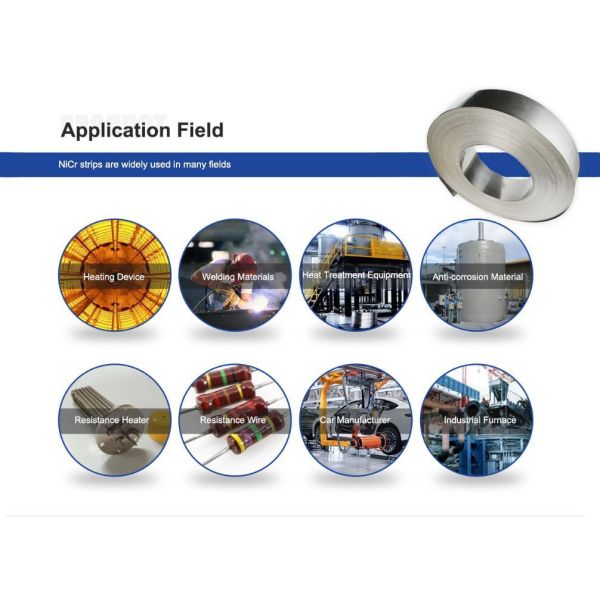
Water Electrolysis for Hydrogen Production – Used as electrodes in both alkaline and PEM electrolyzers to efficiently split water into hydrogen and oxygen.
Renewable Energy Storage – Hydrogen produced from electrolysis is an excellent energy storage solution for renewable energy sources like solar and wind.
Fuel Cells – NiCr strips help in fuel cell technology by enabling efficient conversion of stored hydrogen into electricity.
Industrial Hydrogen Production – In industries like refining, chemical manufacturing, and steel production, Cr20Ni80 NiCr strips are used for large-scale hydrogen generation.


Comparison to Other Brands
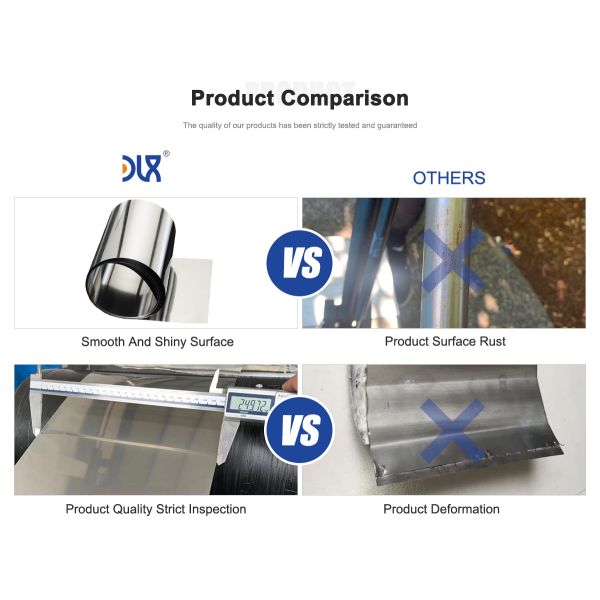
DLX’s Cr20Ni80 NiCr Conductive Strips are the preferred choice for electrolysis systems due to their superior quality and performance. Here’s why our strips stand out:
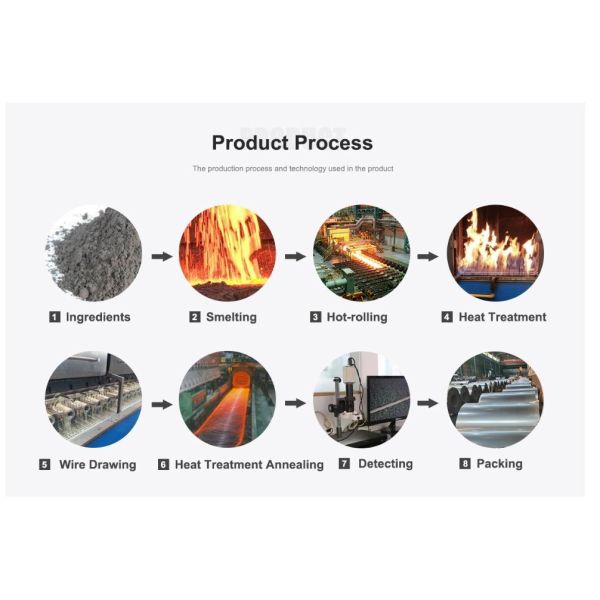
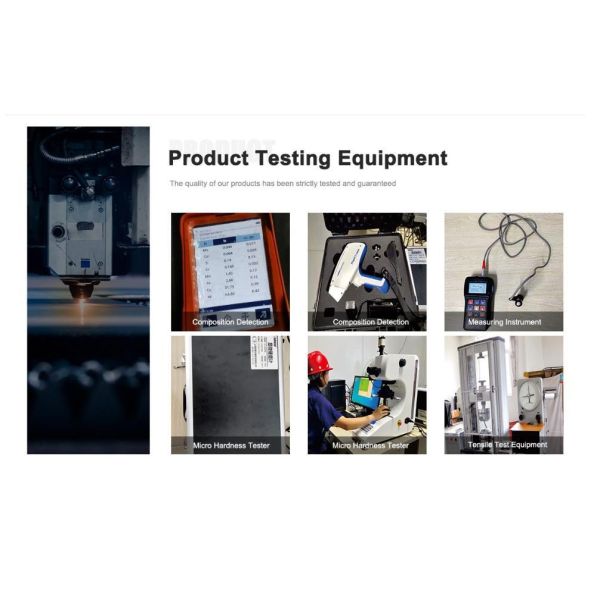
Rigorous Quality Assurance – Every batch of Cr20Ni80 NiCr strips is rigorously tested to ensure they meet the highest standards of conductivity, corrosion resistance, and durability.
Custom Sizes for Optimal Fit – DLX offers a wide range of customizable sizes to ensure our strips perfectly match your electrolysis system’s requirements.
Innovative Manufacturing – With a focus on continuous improvement and R&D, DLX stays ahead of industry trends, ensuring our products meet the evolving needs of hydrogen production technologies.
Global Availability – With a reliable global supply chain, DLX ensures our Cr20Ni80 NiCr strips are available for customers worldwide, no matter the location.


FAQs
What makes Cr20Ni80 NiCr strips ideal for electrolysis cells?
Cr20Ni80 alloys are ideal due to their excellent electrical conductivity, high resistance to corrosion, and ability to withstand high temperatures, making them perfect for the harsh conditions in electrolysis cells.
What are the benefits of using Cr20Ni80 NiCr strips for hydrogen production?
The strips ensure efficient energy use, increased hydrogen yield, and longer-lasting performance, reducing the need for frequent maintenance and replacements.
What is the typical lifespan of Cr20Ni80 NiCr strips in electrolysis cells?
Due to their high corrosion resistance and thermal stability, Cr20Ni80 NiCr strips typically last several years in electrolysis systems, providing long-term reliability.
Can Cr20Ni80 NiCr strips be customized for specific electrolysis systems?
Yes, DLX offers customized thicknesses, widths, and lengths to meet the specific needs of your electrolysis system.
How does Cr20Ni80 NiCr enhance hydrogen production efficiency?
These strips improve the electrolysis process by reducing energy loss and ensuring optimal current flow, which leads to higher hydrogen production efficiency.
What is the maximum temperature Cr20Ni80 NiCr strips can withstand?
Cr20Ni80 NiCr strips can operate at temperatures up to 800°C, making them suitable for high-temperature electrolysis cells.
Are Cr20Ni80 NiCr strips suitable for both alkaline and PEM electrolyzers?
Yes, these strips are compatible with both alkaline and PEM electrolyzers, providing flexibility for different types of electrolysis systems.
How do Cr20Ni80 NiCr strips help reduce operational costs?
The long lifespan, high performance, and resistance to corrosion of Cr20Ni80 NiCr strips reduce the need for frequent maintenance, thereby lowering the total cost of ownership.