Overview
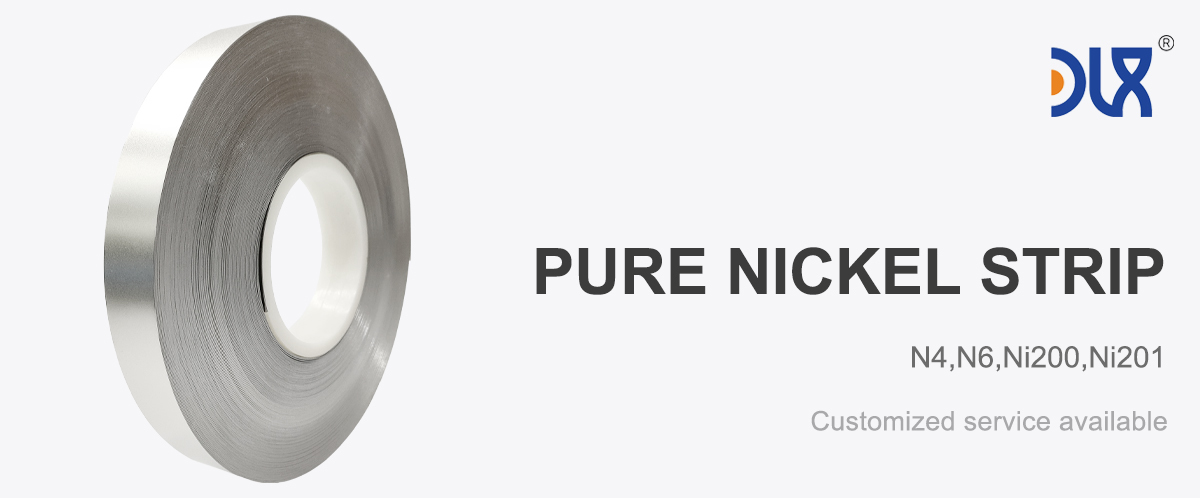
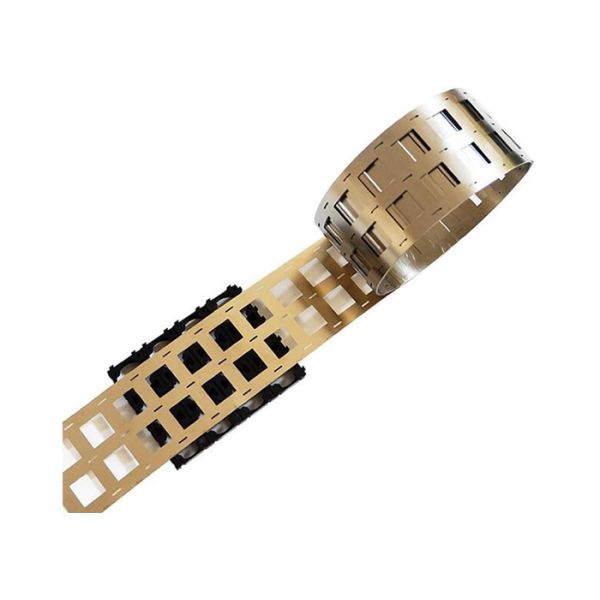
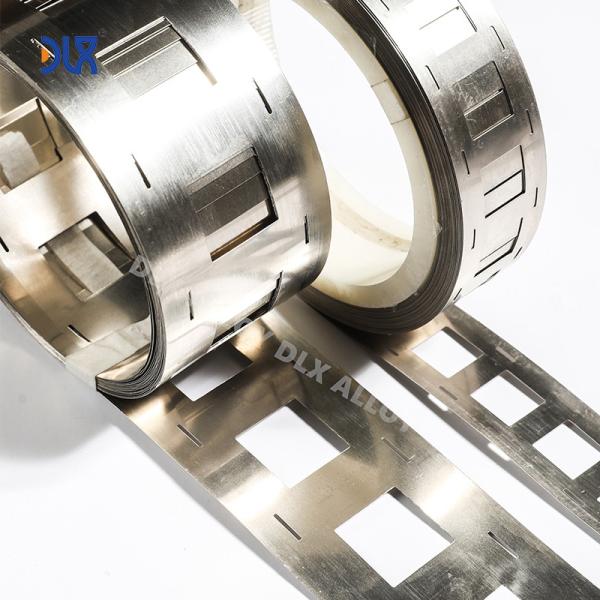
A battery strip is two numbers at once — thickness carries the current, and pitch places the weld — and both have to hold strip after strip. Our 23.4mm pitch nickel strip is produced in 0.15 mm and 0.2 mm thicknesses from Ni200/Ni201 pure nickel (≥99.2%/≥99.0% Ni), with custom widths and patterns locked against your drawing. Every batch is made on our own nickel-only line, inspected per batch and shipped with EN 10204 3.1 mill test certificates — 5 kg MOQ, 7-15 day delivery for standard production.
Dimensions & Tolerances
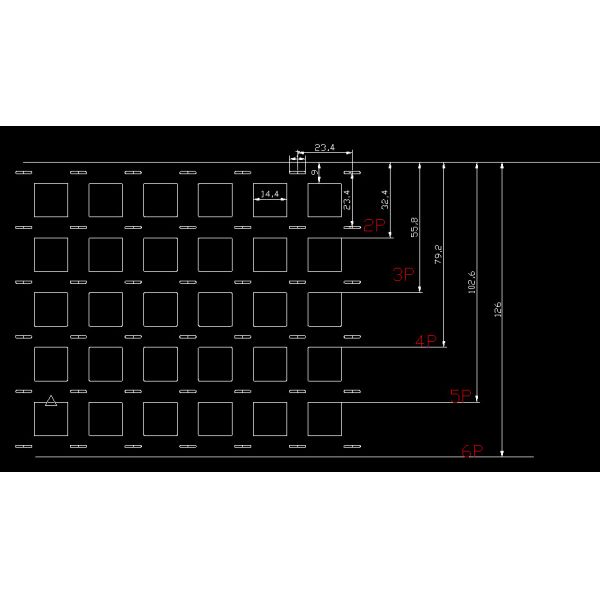
Strip is produced in 0.15 mm and 0.2 mm thicknesses (within the 0.05-0.5 mm range) with a 23.4 mm pitch distance, in battery widths of 2-15 mm. Pitch, thickness and tolerances are confirmed against the drawing before production and locked in the batch record.
Key Strengths

Technical Deep Dive
Thickness, Current and the Two Hot-Sale Gauges
Current capacity follows cross-section: 0.2 mm carries more current than 0.15 mm at the same width, while 0.15 mm welds with less energy. Battery lines order both gauges, and both are held to drawing tolerance so the pack sees the same cross-section strip after strip.
Pitch as a Placement Specification
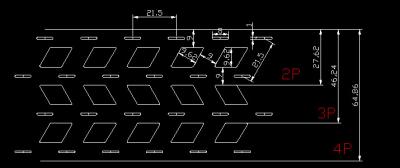
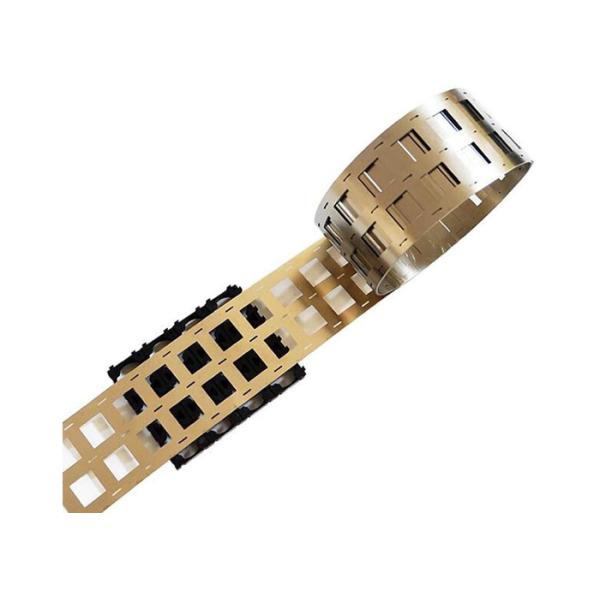
Pitch is a placement spec, not a formality: at 23.4 mm, the weld pad has to land on the cell tab every time. Pitch is punched to the drawing and verified per batch, because a consistent pitch is what makes automated welding lines run without rework.
Strip Consistency Across the Batch
Batch consistency keeps weld parameters valid from the first joint to the last: thickness, pitch and surface are gauged per batch, and composition is analysed per batch, so the strip that arrives matches the strip that qualified the line.
Documentation and Traceability
| Item | Detail |
|---|---|
| Product standards | ASTM B162 (nickel and nickel alloy plate, sheet and strip); GB/T 2072-2020 (nickel and nickel alloy strip) |
| Mill documentation | EN 10204 3.1 mill test certificates, batch composition and dimensional records |
| Management system | ISO 9001 certified; SGS audited |
| Traceability | Batch numbers tied to the drawing from melt to shipment |
Pricing
| Grade | Ni Content | Best Application | Reference Price (FOB, USD/kg) |
|---|---|---|---|
| N4 (NP1) | ≥99.9% | Vacuum electronics | 420-480 |
| Ni201 | ≥99.0% | High-temp service | 350-390 |
| Ni200 | ≥99.2% | Battery, chemical | 340-380 |
| N6 (NP2) | ≥99.5% | Industrial corrosion | 300-340 |
The bands above are indicative for standard strip sizes. Strip with custom pitch and patterns is quoted per drawing — pitch, thickness, grade and quantity determine the final price.
Chemical Composition
| Element (wt%) | N4 | N6 | Ni201 | Ni200 |
|---|---|---|---|---|
| Ni | — | — | ≥99.0 | ≥99.2 |
| Ni+Co | 99.9 | 99.5 | — | — |
| Cu | ≤0.015 | 0.1 | ≤0.25 | ≤0.25 |
| Si | ≤0.03 | 0.1 | ≤0.35 | ≤0.35 |
| Mn | ≤0.002 | 0.05 | ≤0.35 | ≤0.35 |
| C | ≤0.01 | 0.1 | ≤0.02 | ≤0.15 |
| Mg | ≤0.01 | 0.1 | — | — |
| S | ≤0.001 | 0.005 | ≤0.01 | ≤0.01 |
| P | ≤0.001 | 0.002 | — | — |
| Fe | ≤0.04 | 0.1 | ≤0.4 | ≤0.4 |
Physical Properties
| Property | Value |
|---|---|
| Density | 8.908 g/cm³ |
| Melting Point | 1435-1446 °C |
| Curie Temperature | 358 °C |
| Tensile Strength | ≥462 MPa (annealed) |
| Elongation | ≥35% (annealed) |
| Hardness | 90-120 HB |
| Electrical Resistivity | 0.096 μΩ·m (20 °C) |
| Thermal Conductivity (Ni200) | 70.2 W/m·K |
Specifications
| Item | Detail |
|---|---|
| Thickness | 0.15 mm / 0.2 mm (0.05-0.5 mm range) |
| Pitch Distance | 23.4 mm |
| Width | 2-15 mm battery series |
| Strip Patterns | Custom per drawing |
| Tolerance | Per drawing, locked in batch record |
| Condition | Annealed (soft) standard |
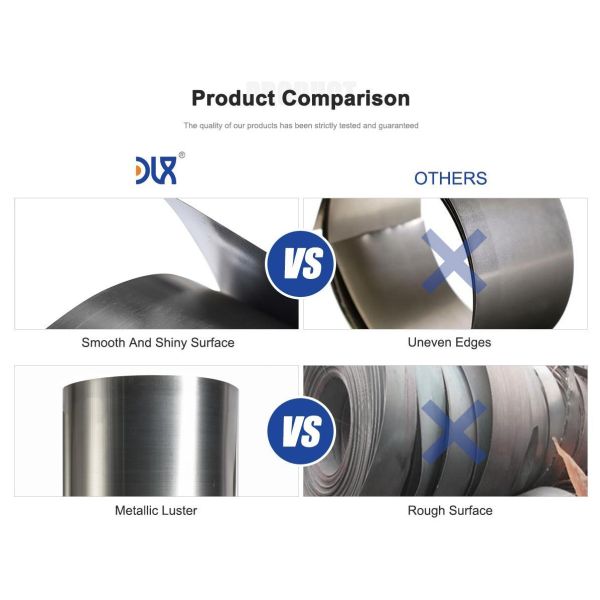
| Surface | Clean, smooth, burr-free |
| Applicable Standards | ASTM B162; GB/T 2072-2020 |
Quality Assurance


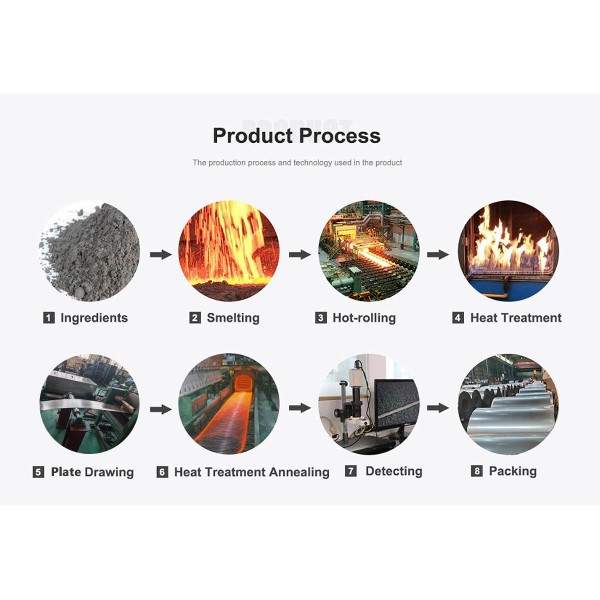
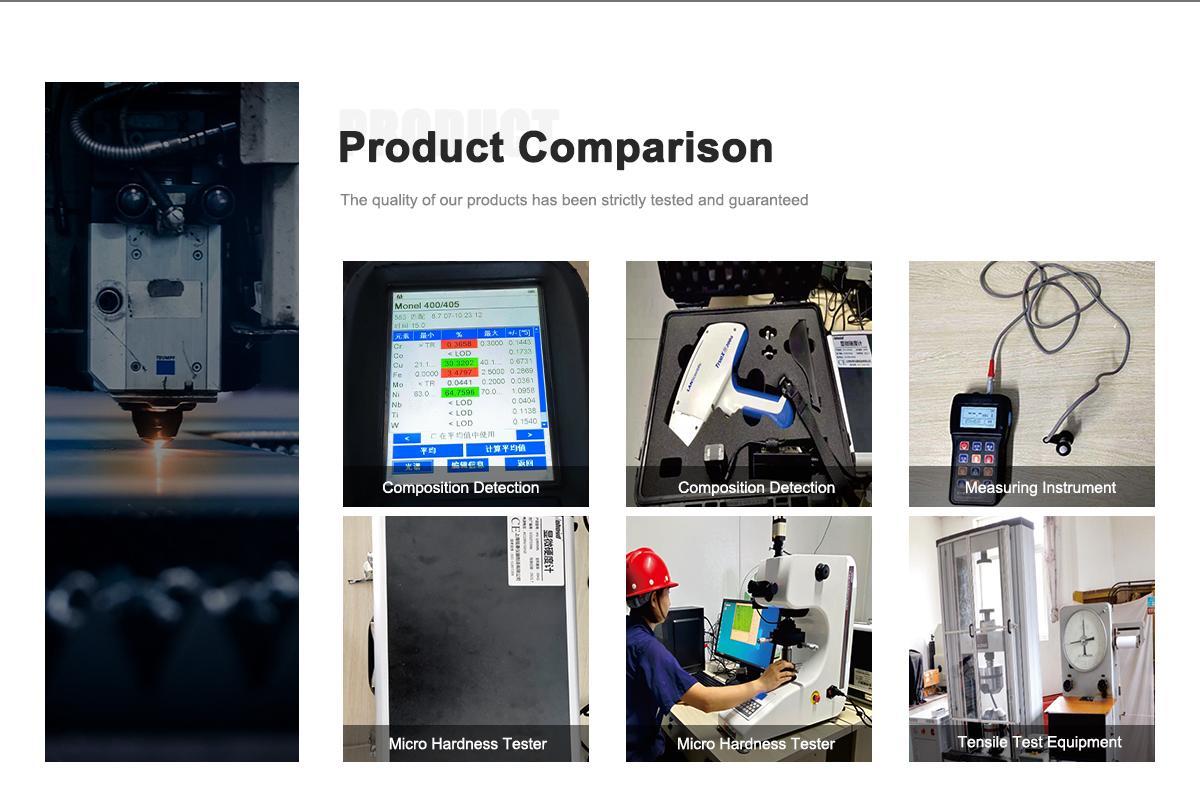
Quality control starts at the melt: raw material composition is verified against UNS N02200/N02201 before rolling, then every batch is gauged for thickness, pitch, width and surface condition, and checked for burr against the drawing. Batch records link each order back to the melt, and EN 10204 3.1 mill test certificates ship with every consignment.
Applicable Standards

References
Material data on this page follows ASTM B162 and GB/T 2072-2020; corrosion and application guidance references nickel industry literature (Nickel Institute; ASM Specialty Handbook: Nickel, Cobalt, and Their Alloys). Batch-level composition and geometry are verified against mill test certificates (EN 10204 3.1) and in-house inspection records.
Packaging & Delivery
Strip is supplied in rolls or cut lengths, edge-protected and moisture-wrapped, then packed in cartons and export wooden cases. Documentation — mill test certificates, batch records and packing lists — accompanies every order. Standard production lead time is 7-15 days from confirmed drawing; small lots are shorter.
About DLX Alloy

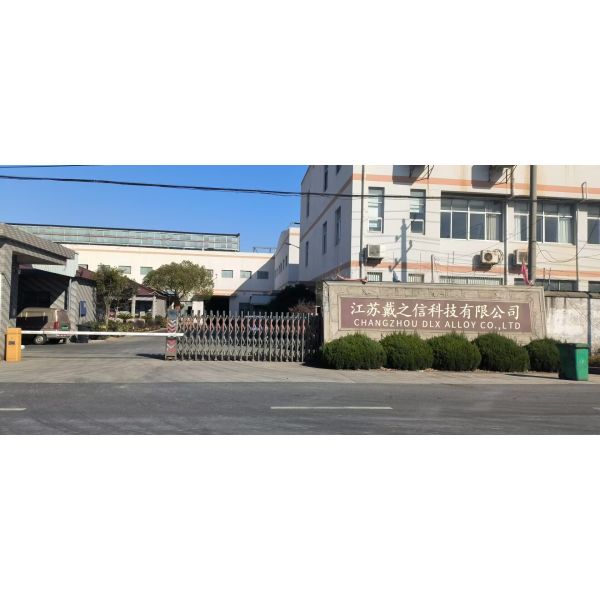
Pack engineers buy strip on numbers they can trust — thickness, pitch and purity in a single batch record. DLX Alloy has run a nickel-only line since 2002 — 12,000 m² of floor space, 10,000 t/yr total capacity, ISO 9001 certified and SGS audited — rolling and punching battery strip to per-drawing tolerances, with per-batch composition analysis and EN 10204 3.1 mill test certificates on every shipment.
Submit your drawing and quantity for a confirmed quote — pitch, thickness and lead time confirmed before production.
FAQ
Which thickness should I order — 0.15 mm or 0.2 mm?
0.2 mm carries more current at the same width; 0.15 mm welds with less energy. The choice follows the pack's current requirement — both are held to drawing tolerance.
Is 23.4 mm pitch a standard value?
23.4 mm is produced as specified and matched to the cell spacing of your pack layout; other pitches are available per drawing.
Can you combine both thicknesses in one order?
Yes. Mixed-gauge orders are produced per drawing, with each gauge tracked separately in the batch record.
How is pitch verified?
Pitch is checked against the drawing per batch and locked in the batch record, so automated welding lines can rely on placement.
What is the delivery time?
7-15 days for standard production from confirmed drawing; small lots are shorter.