1. Strict Airborne Contamination Control
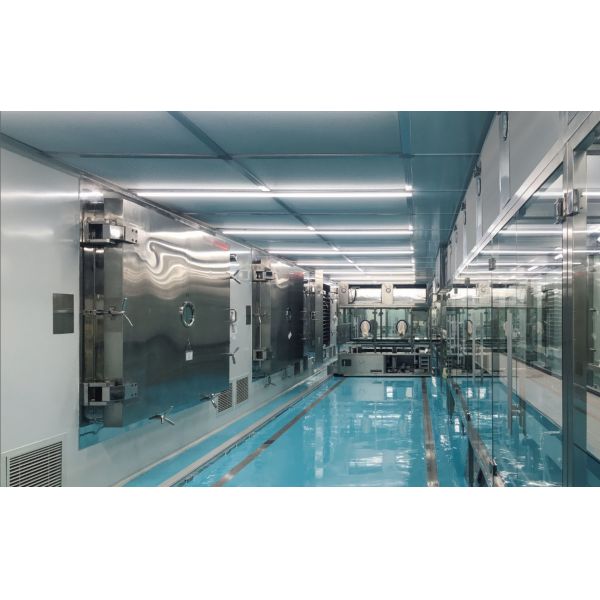
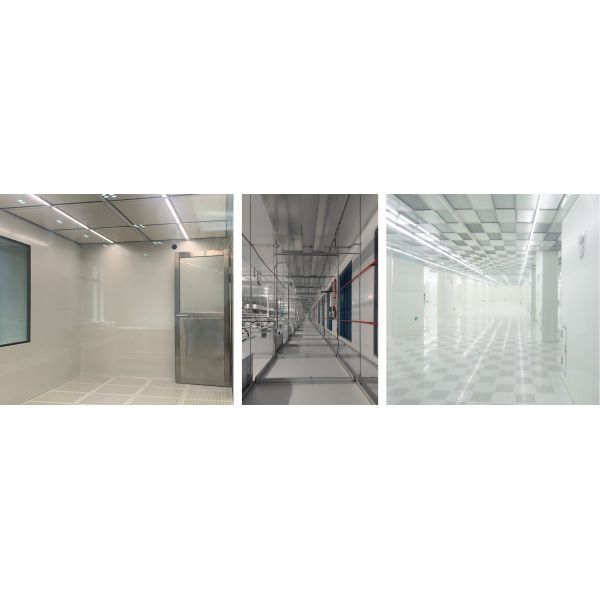
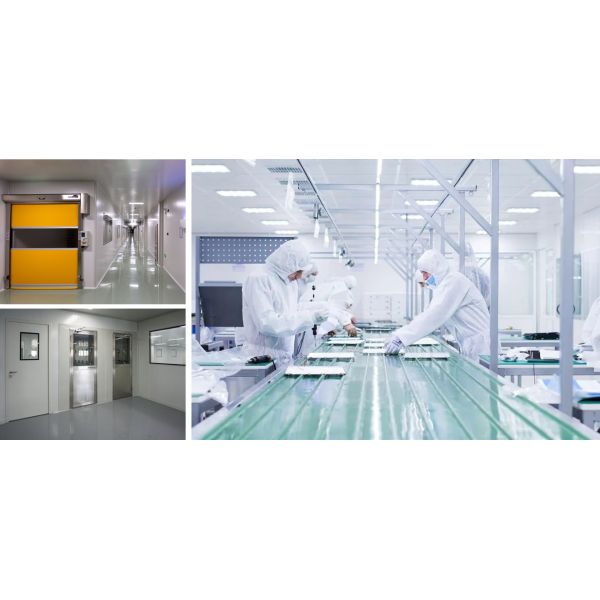
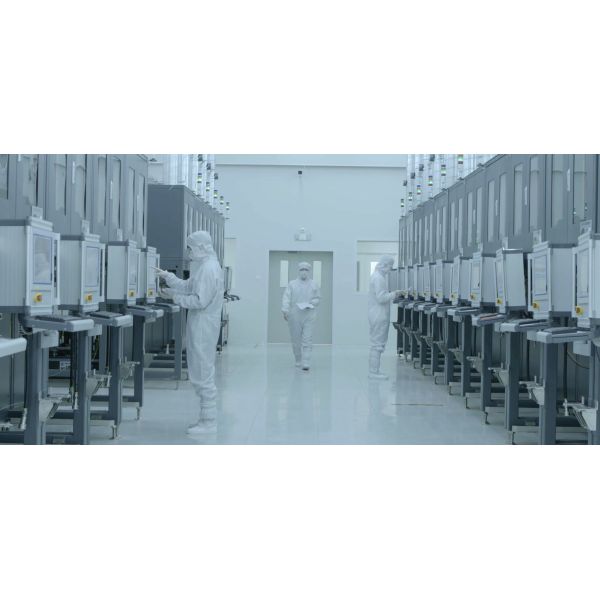
This is the core function of a cleanroom. It efficiently filters and isolates airborne pollutants such as fine dust, suspended particulates, bacteria and fungi. It prevents external and internal cross-contamination during production, material handling and packaging processes. Strict contamination control creates a pure working environment, effectively eliminating product defects and performance degradation caused by particle and microbial pollution.
2. Stable & Constant Environmental Parameters
Cleanrooms enable real-time monitoring and precise control of indoor temperature, humidity, static pressure, air exchange rate and airflow. They stabilize indoor environmental conditions and avoid adverse impacts from external climate changes and seasonal fluctuations. Stable parameters prevent material deformation, damp damage, static electricity and oxidation, enabling standardized, consistent and continuous production.
3. Significant Improvement in Product Yield & Quality Consistency
Tiny particles and unstable environments are major causes of defective products in precision electronics, cosmetics and similar industries. The ultra-clean cleanroom environment significantly reduces scrap rates and production failures. It ensures consistent batch quality and stable product performance, effectively boosting production yield and product market competitiveness.
4. Precision Equipment & Production Asset Protection
Airborne fine dust easily adheres to precision machinery, optical instruments and automated equipment, leading to wear, blockage, precision deviation and accelerated aging. The cleanroom’s high-efficiency filtration system maintains constant air cleanliness, reduces equipment failure and abrasion, extends equipment service life, and cuts long-term maintenance and replacement costs.
5. Personnel Safety & Operational Risk Reduction
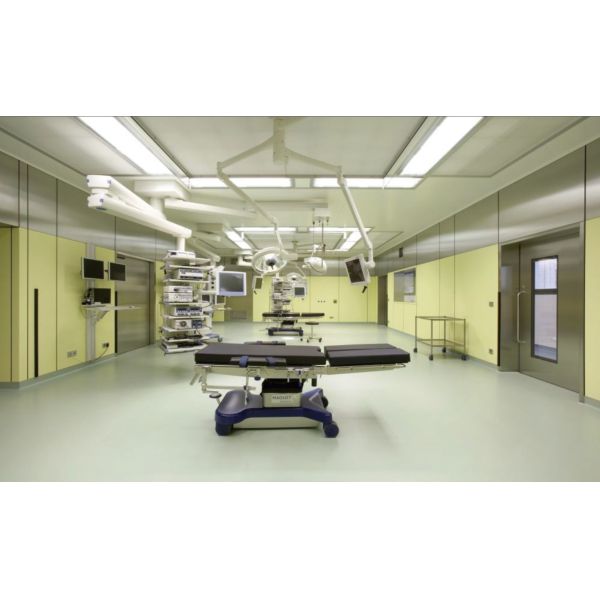
In chemical, biological and sterile processing industries, harmful dust, microorganisms and volatile pollutants threaten operator health. Cleanrooms feature standardized air circulation and purification systems to reduce staff exposure to hazards. The positive pressure isolation design also prevents cross-spread of internal and external pollutants, realizing dual protection for personnel and workshop safety.
6. Meet Global Industrial Certification & Compliance Standards
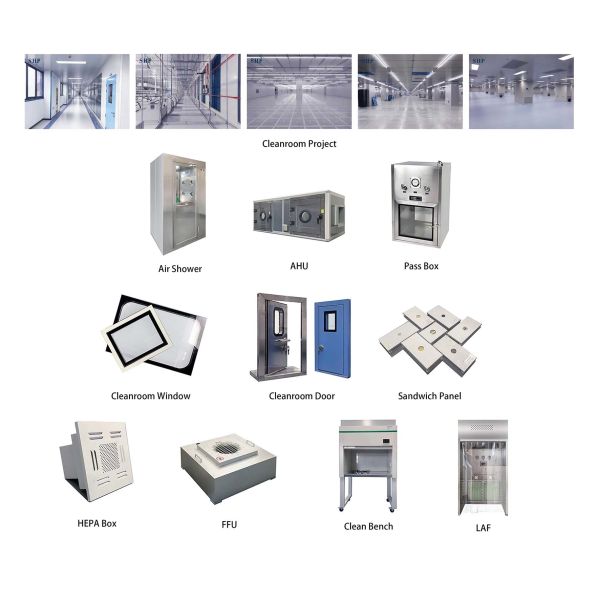
Standard cleanrooms comply with ISO 14644 international cleanliness standards and global industry regulations. They meet strict environmental requirements for semiconductors, electronics, medical devices, biopharmaceuticals, food, cosmetics and optical precision manufacturing. A qualified cleanroom environment supports enterprise factory audits, product certifications and smooth overseas market access.
7. Eliminate Static Electricity & Prevent Industrial Accidents
Equipped with professional anti-static and humidity control systems, cleanrooms eliminate static buildup caused by dry air and particle friction. They protect sensitive electronic components and precision materials from static damage, and prevent ignition risks in flammable and explosive working scenarios, ensuring safe and stable workshop operation.