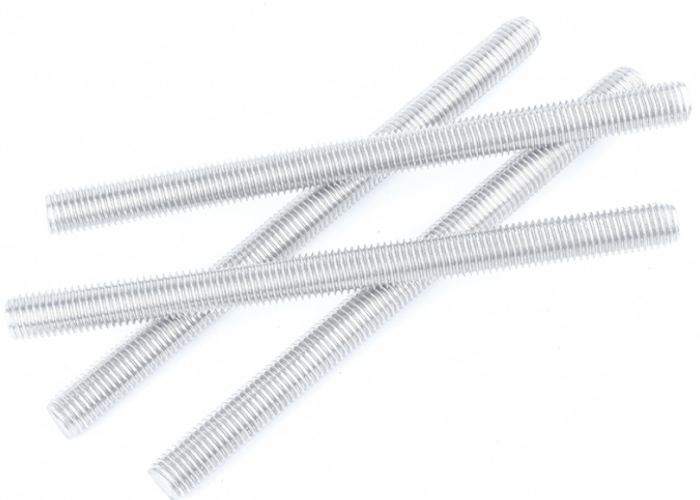
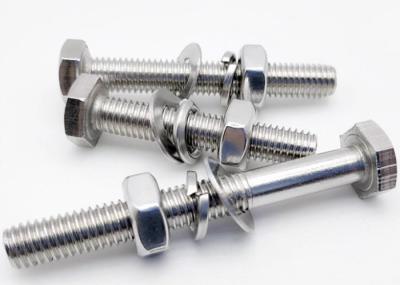
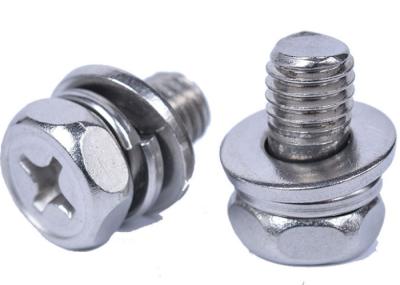
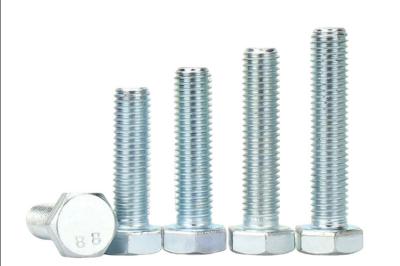
| Name | Metal Bolt |
| Standard | DIN, ASME, ANSI, ISO |
| Material | aluminum |
| Place of Origin | China |
| Finish | Polish, Passivation, Black, Galvanization, Chromate, Dacromet |
| Certificate | ISO9001:2008, ROHS |
| Used | Building Industry Machinery |
| Thread Type | Coarse, Fine |
| Usage | Fastening |
| Function | Connection, Fastening and Decoration |
| Strength | High |
| Size | Various sizes available |
| Measurement System | INCH, Metric system |
Double - end studs, also known as toothed bars, are versatile fastening components in the mechanical engineering realm. These studs feature threads on both ends, which allows them to be used in a wide range of applications where a secure and reliable connection is required.
In terms of materials, they can be manufactured from various metals such as aluminum, stainless steel, and carbon steel. Aluminum double - end studs, like those made from 6061 or 7075 aluminum alloys, are lightweight yet offer good strength - to - weight ratios. They are often used in aerospace and automotive industries for applications where reducing weight is crucial without sacrificing too much structural integrity.
Stainless steel double - end studs, especially those conforming to standards like DIN975, are highly corrosion - resistant. This makes them ideal for use in harsh environments such as marine, chemical processing plants, and food - processing facilities. Their ability to withstand moisture, chemicals, and extreme temperatures ensures long - term reliability.
Carbon steel double - end studs, on the other hand, provide high tensile strength at a relatively low cost. They are commonly used in construction, machinery manufacturing, and general industrial applications. Whether it's for assembling large - scale structures or attaching components in heavy - duty machinery, carbon steel double - end studs offer the necessary strength and durability.
These studs can come in different lengths, thread types (such as UNC, UNF), and surface finishes. For example, galvanized aluminum studs have a protective zinc coating that further enhances their corrosion resistance, while plain - finish stainless steel studs are suitable for applications where aesthetics are not a primary concern but functionality is.
| Aluminum | Excellent thermal/electrical conductivity but naturally soft. May produce gelatinous buildup during processing. |
| Titanium | EDM machining recommended. Requires deionized water to control heat during processing. |
| Steel | Very strong metal. Wire cutting machines often preferred for complex features. Requires heat management. |
| Brass | High tensile strength, easy to machine but requires slow cutting speed due to softness. |


A: We are factory and OEM are available.
A: Generally 7-10 days if in stock, or 15-20 days if not in stock (depending on quantity).
A: Yes, we offer free samples but customer pays freight cost.
A: 30% T/T in advance, balance before shipment or L/C.