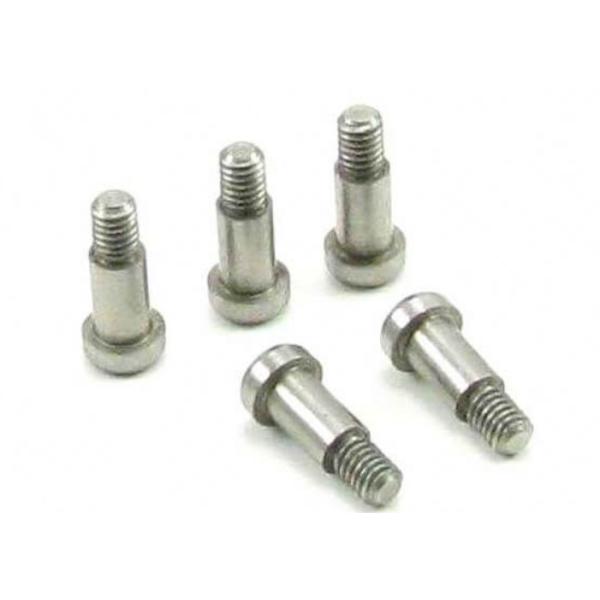
Stainless Steel Step Bolts Shoulder Bolts 1/2 7/16 1 Size For Engineering Manufacturing
Product Specifications
| Attribute | Value |
| Usage | Fastening |
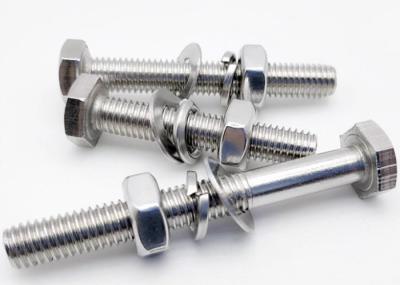
| Style | Shoulder bolt |
| Size | Various sizes available |
| Head Style | Cap head/shoulder bolt |
| Strength | High |
| Finish | Plain |
| Manufacturer | JIA SHAN Hardware Company |
| Length | Customizable |
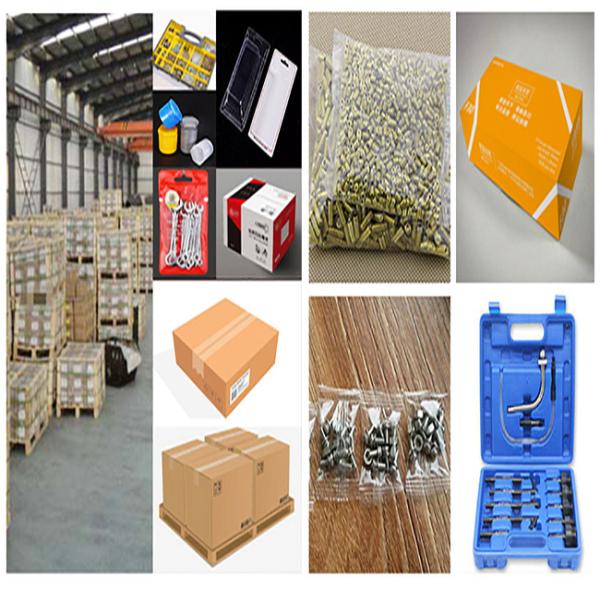
| Package | Small Packing+Carton Packing+Pallet |
| Standard | DIN |
| Package Quantity | 100 pieces |
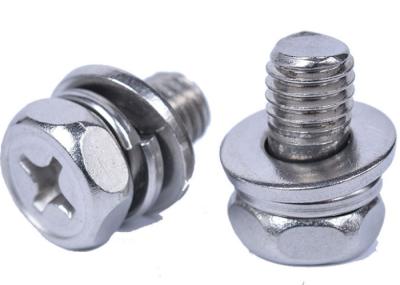
| Shape | Self Tapping Screws |
| Measurement System | INCH, Metric |
| Port | Shenzhen |
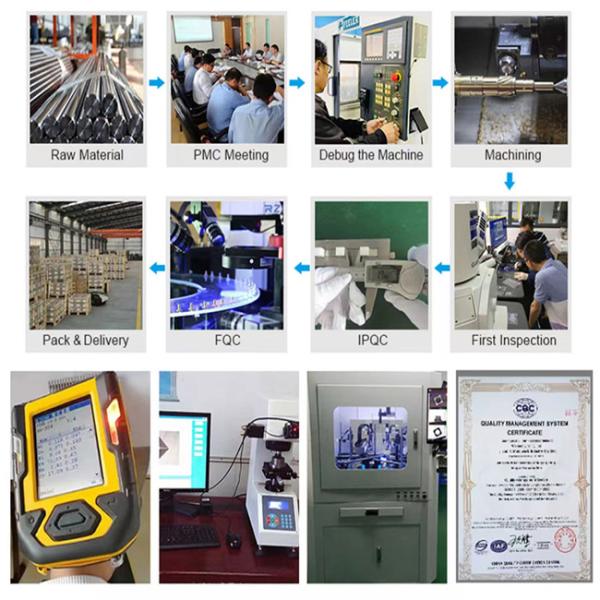
| Quality | Inspection before shipment |
| Color | Customizable |
| Material | Stainless steel |
Product Overview
Shoulder screws (also called shoulder bolts) are versatile fasteners that offer stable spacing, smooth sliding, and rotational movement across numerous industrial applications.
Thread Direction
A thread that is screwed in by rotating clockwise is termed a right-hand thread;
Number of threads
A thread formed along a single helical line is termed a single-start thread. A thread formed by two or more helical lines distributed equidistantly along the axial direction is termed a multi-start thread.
Key Applications
- Machinery: Essential for precise alignment and smooth movement in sliding components, especially in transmission systems
- Automotive: Commonly found in suspension systems, engines, and brakes for linking bushings and bearings
- Electronics: Maintains proper spacing between circuit boards and chips to prevent electrical interference
- Mold Manufacturing: Guides parts within molds for smooth sliding and maintaining precision
- Furniture Hardware: Used in hinges and sliding rails to control movement and increase durability
- Aerospace: Applied where high precision and stability are necessary for positioning components
- Industrial Automation: Supports smooth movement in robotic arms, conveyors, and automated machinery
- Medical Equipment: Ensures smooth, controlled movement in adjustable medical devices
- Tooling & Fixtures: Maintains alignment and spacing in manufacturing jigs for consistent precision
- Construction & Heavy Equipment: Provides stable movement and reliability under heavy loads
Stainless Steel Properties
Stainless steel is an alloy material with excellent corrosion resistance, composed primarily of iron, chromium, and nickel. These elements provide high durability and aesthetic appeal while resisting oxidation and corrosion.
Maintenance Guidelines
Cleaning: Use mild detergents and soft cloths, avoiding acidic or alkaline cleaners. Rinse thoroughly and dry with a clean cloth.
Stain Removal: For stubborn stains, use specialized stainless steel cleaners or mild solutions like alcohol or vinegar, following product instructions carefully.
Stainless Steel Composition
| No. | C% | Cr% | Ni% | Mo% |
| 304 | 0.07 | 17.5-19.5 | 8.0-10.5 | / |
| 316 | 0.08 | 16.0-18.0 | 10.0-14.0 | 2.00-3.00 |
| 301 | 0.15 | 16.0-18.1 | 6-8 | / |
| 310 | 0.08 | 24-26 | 19-22 | / |
| 304L | 0.03 | 18-20 | 8-12 | / |
| 316L | 0.03 | 16-18 | 10-14 | 2-3 |
| 321 | 0.08 | 17-19 | 9-12 | / |
Material Specifications
304 stainless steel is a general-purpose grade containing at least 18% chromium and 8% nickel, offering excellent corrosion resistance and formability for equipment and machine parts.
304 stainless steel. It is one of the austenitic stainless steels with a large application and the widest range of use, and is suitable for the manufacture of deep-drawn moulding parts and acid-transporting pipelines, containers, structural parts, various types of instrumentation bodies, etc., as well as the manufacture of non-magnetic, low-temperature equipment and parts.
304 is a versatile and widely used stainless steel material, which is widely used to make equipment and machine parts that require good comprehensive performance (corrosion resistance and formability). It can withstand general rusting in construction, resist leaching by food processing media (but corrosion may occur at high temperatures containing concentrated acids and chloride components), and resist organic compounds, dyes, and a wide variety of inorganic compounds.
A2 class refers to 304 stainless steel, while A4 class refers to 316 stainless steel, with the latter offering enhanced corrosion resistance particularly in chloride environments.
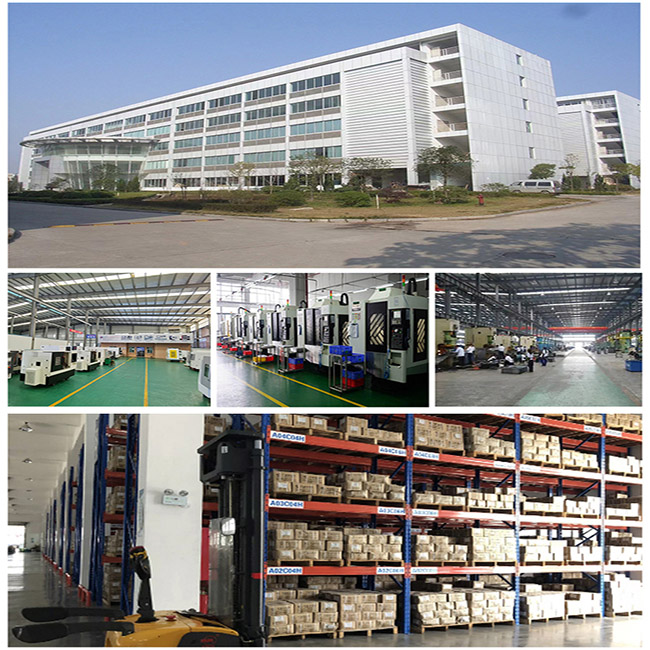
Company Information
Packaging