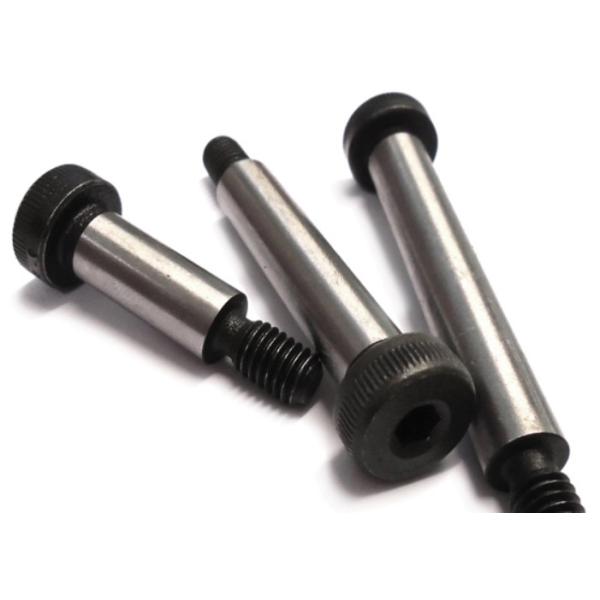
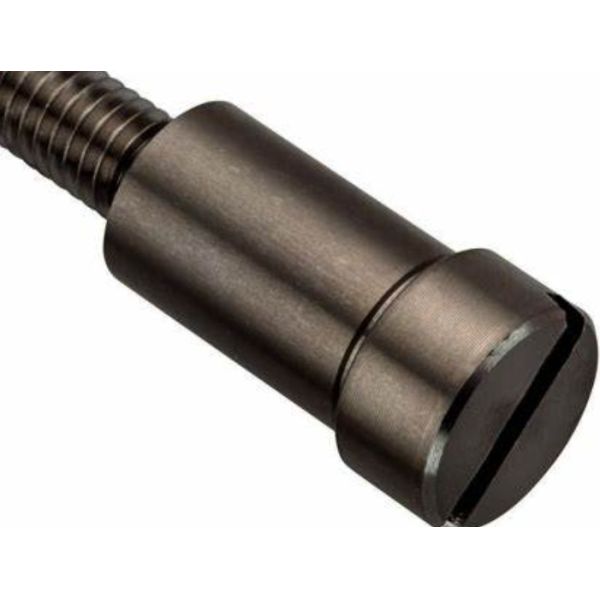
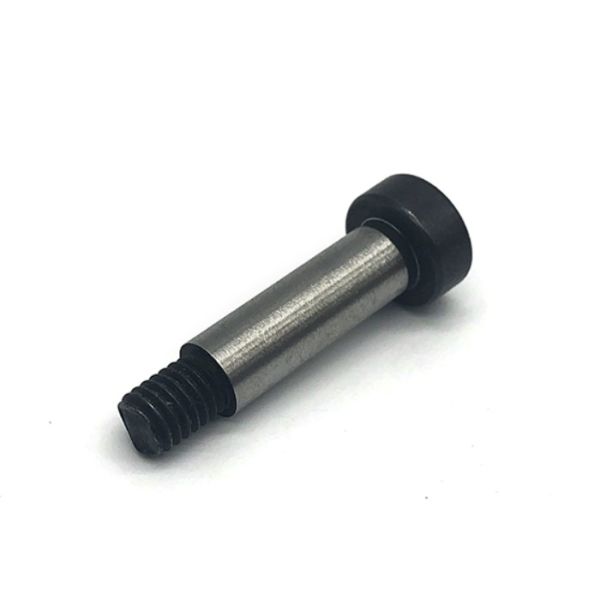
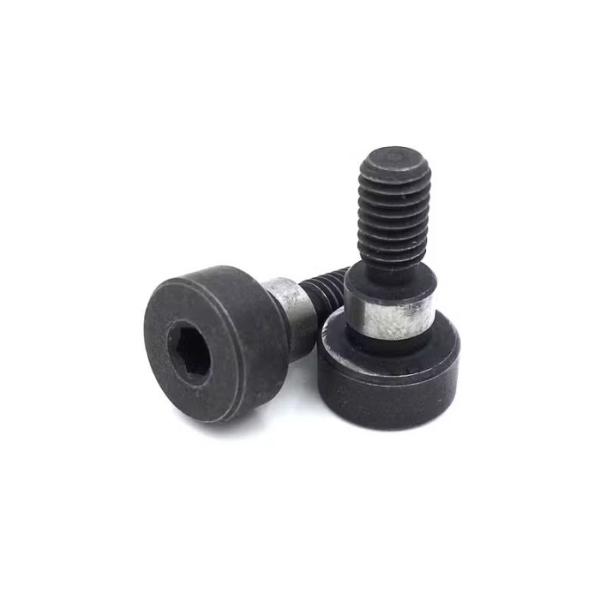
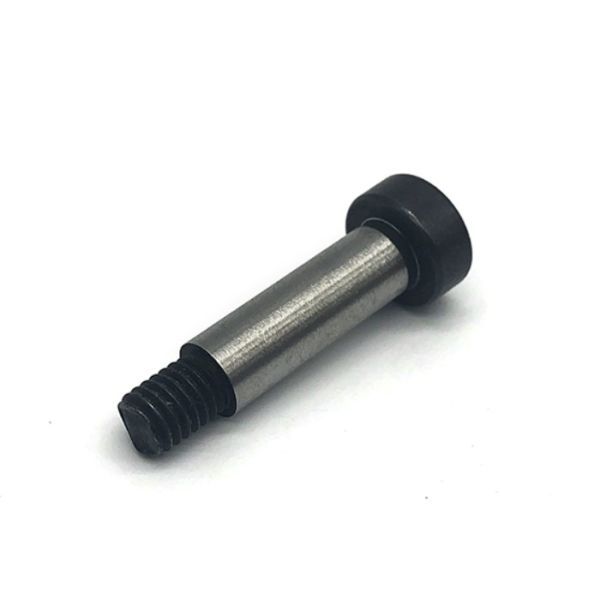
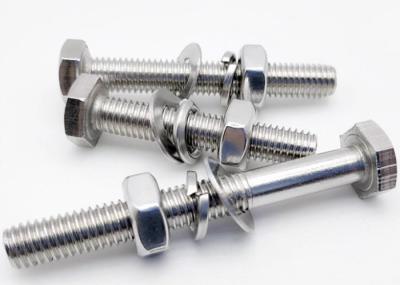
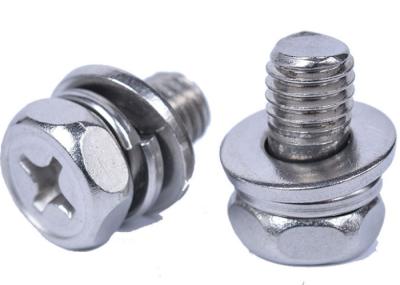
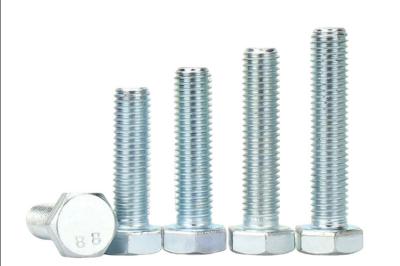
Carbon Steel Shoulder metal Bolts Fastenal M4 M6 M8 M10 M12 M16 For Structural Projects
Product Specifications
| Attribute | Value |
| Usage | Fastening |
| Style | Shoulder bolt |
| Size | Various sizes available |
| Head Style | Cap head/shoulder bolt |
| Strength | High |
| Finish | Plain |
| Manufacturer | JIA SHAN Hardware Company |
| Length | Customizable |
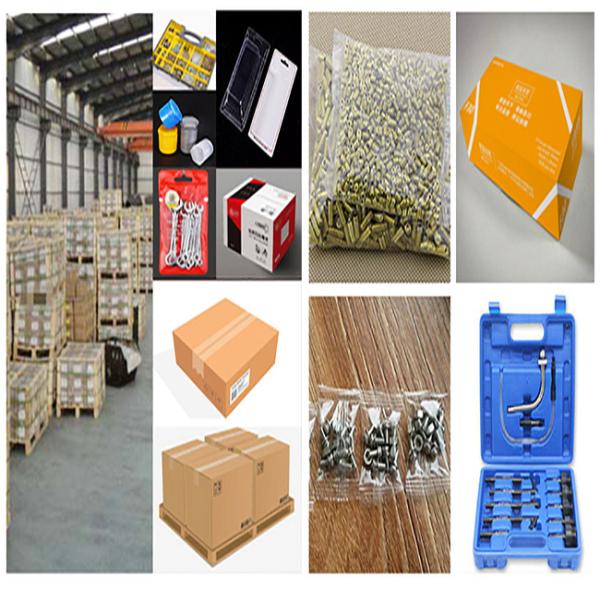
| Package | Small Packing+Carton Packing+Pallet |
| Standard | DIN |
| Package Quantity | 100 pieces |
| Shape | Self Tapping Screws |
| Measurement System | INCH, Metric |
| Port | Shenzhen |
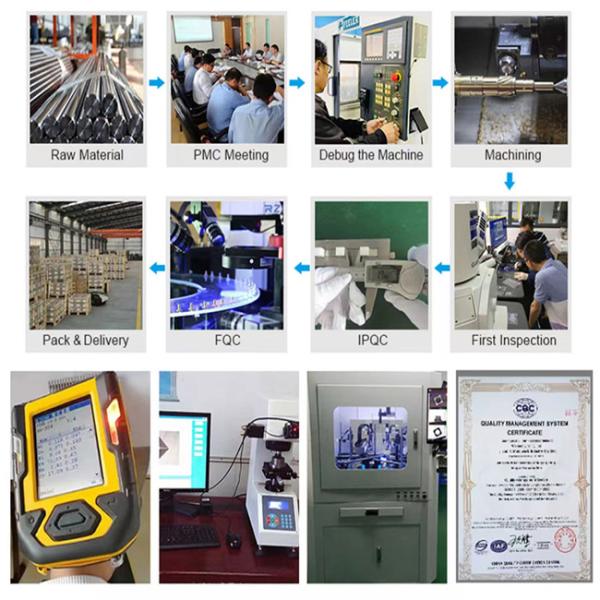
| Quality | Inspection before shipment |
| Color | Customizable |
| Material | Stainless steel |
Product Description
Shoulder bolts, or shoulder screws, are highly effective fasteners that provide stable spacing, smooth sliding, and rotational motion in various industries.
Key Applications:
- Machinery: Crucial for ensuring precise alignment in sliding parts of transmission systems
- Automotive: Used in suspension, engine, and braking systems to connect bushings and bearings
- Electronics: Maintains spacing between circuit boards and chips to prevent electrical interference
- Mold Manufacturing: Facilitates smooth sliding of parts within molds, improving precision
- Furniture Hardware: Applied in hinges and sliding rails for controlled movement
- Aerospace: Vital for precision and stability in aerospace components
- Industrial Automation: Ensures smooth movement in robotic arms and conveyor belts
- Medical Equipment: Allows smooth, controlled movement in adjustable devices
- Tooling & Fixtures: Maintains consistent alignment in jigs and fixtures
- Construction & Heavy Equipment: Provides stable movement in structural components
Stainless Steel Maintenance:
Stainless steel is an alloy material with excellent corrosion resistance, composed primarily of iron, chromium, and nickel.
Maintenance Guidelines:
- Clean with mild detergents and soft cloth
- Avoid acidic or alkaline cleaners
- Use specialized stainless steel cleaners for stubborn stains
- Rinse thoroughly and dry after cleaning
Stainless Steel Composition:
| No. | C% | Cr% | Ni% | Mo% |
| 304 | 0.07 | 17.5-19.5 | 8.0-10.5 | / |
| 316 | 0.08 | 16.0-18.0 | 10.0-14.0 | 2.00-3.00 |
| 301 | 0.15 | 16.0-18.1 | 6-8 | / |
| 310 | 0.08 | 24-26 | 19-22 | / |
| 304L | 0.03 | 18-20 | 8-12 | / |
| 316L | 0.03 | 16-18 | 10-14 | 2-3 |
| 321 | 0.08 | 17-19 | 9-12 | / |
Technical Notes:
201, 304, and 316 are austenitic stainless steels, typically non-magnetic. The corrosion resistance comes from chromium oxide protective layers. At temperatures between 450°C-900°C, structural changes can reduce corrosion resistance (intergranular corrosion). Low-carbon variants (304L, 316L) minimize this effect.
304 Stainless Steel:
304 is a general-purpose stainless steel containing at least 18% chromium and 8% nickel, widely used for equipment requiring good corrosion resistance and formability. It's produced according to ASTM standards.
Applications of full-threaded fasteners:
Full-threaded fasteners are frequently employed in scenarios requiring high-strength connections, owing to their larger contact area and superior clamping force.
Where complete tightening is necessary to eliminate gaps or ensure a secure fit, full-threaded fasteners represent the superior choice.
For instance, within construction, bridge engineering, and mechanical engineering sectors, full-threaded fasteners are extensively utilised for securing structural components and connecting parts.
Package Details
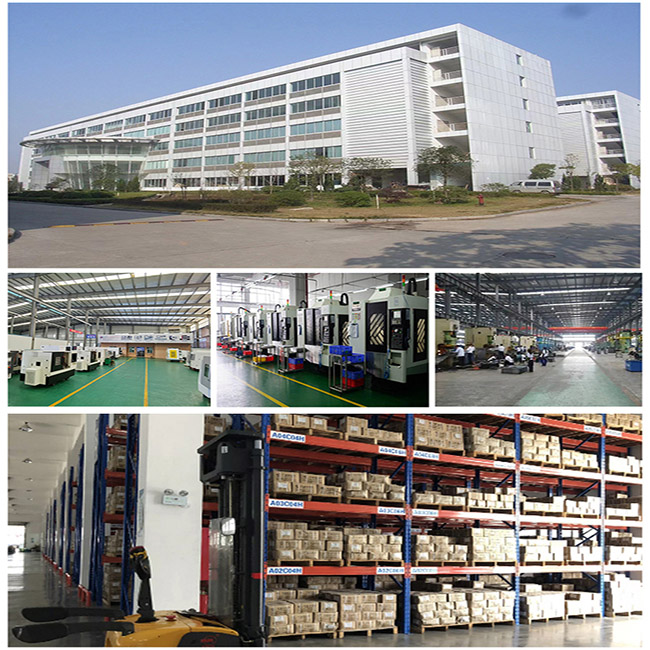
About Our Company