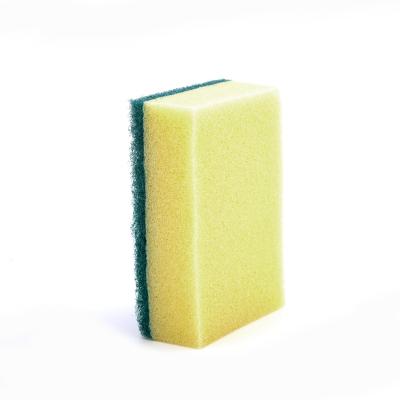
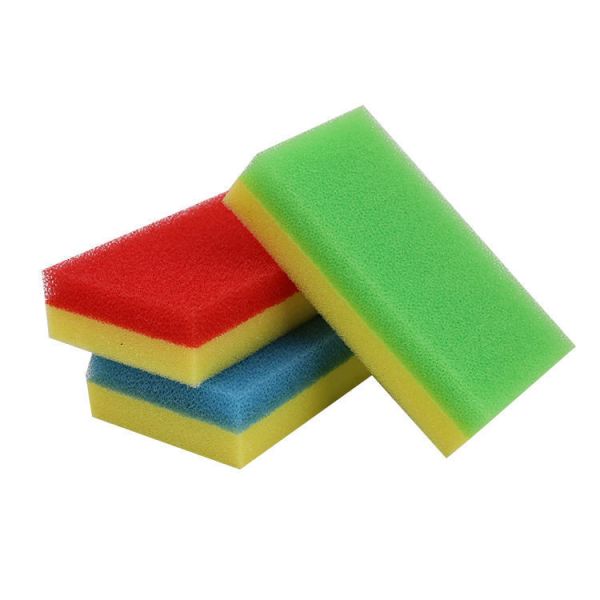
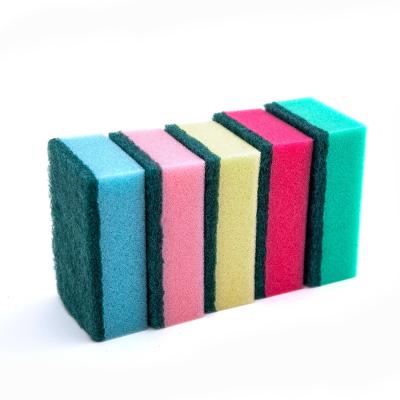
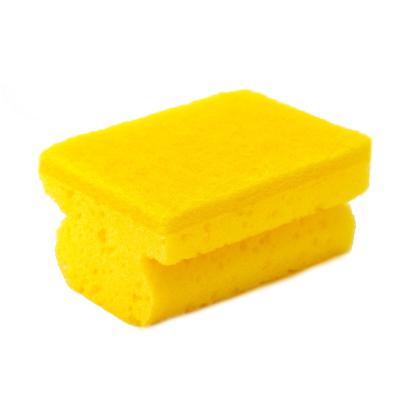
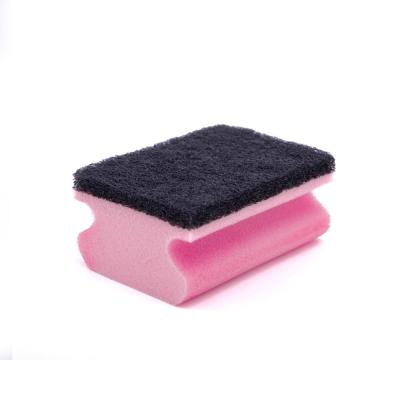
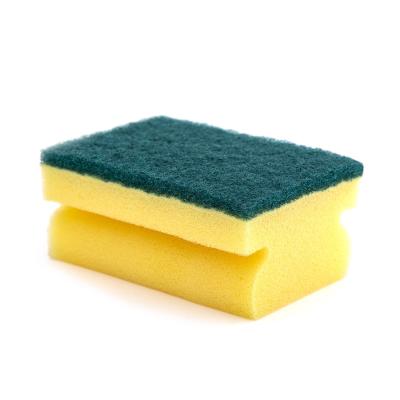
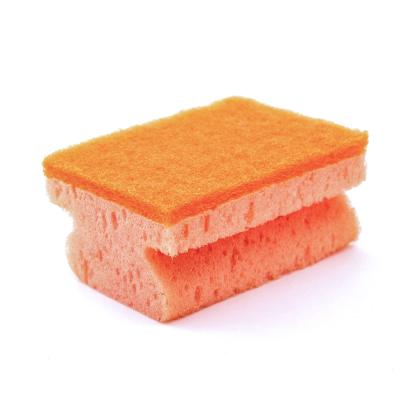
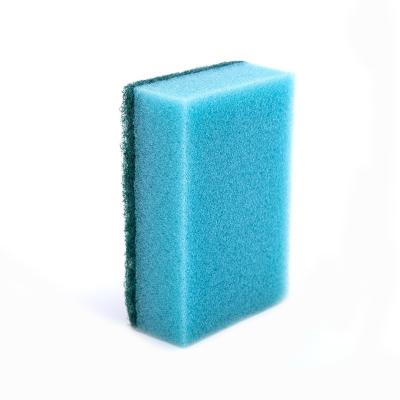
Heavy Grease Absorption, Non-Stick & Easy Rinse, Kitchen Cleaning Sponge
The most tiring part of kitchen cleaning is often not washing the dishes themselves, but cleaning the sponge that has soaked up grease. After wiping an oily pan or frying pan, an ordinary sponge absorbs a large amount of grease into its interior. Rinsing it under water does not remove the oil completely, and rubbing it by hand leaves a sticky feeling.
This kitchen cleaning sponge is designed for that problem. After use, grease does not cling firmly to the interior, and running water carries away most of the surface residue, reducing the need for repeated rubbing. During wiping, the sponge surface captures oil films and food residue from cookware and countertops, allowing grease to remain mostly on the surface rather than being fully absorbed into the sponge.
In practice, after wiping an oily pan, rinsing it under the tap carries away most of the grease without needing extra dish soap to clean the sponge itself. For households that cook every day, this means the sponge does not become a new source of contamination after each cleaning session. The sponge keeps its structure stable while absorbing grease, and does not shed or deform quickly after repeated contact with rough surfaces. Whether wiping the stovetop, washing dishes, or dealing with pans after frying, this sponge maintains a balance between grease absorption and easy rinsing in daily cleaning.
Product Q&A
Q1: How does the non-stick, easy-rinse feature work?
A1: Grease does not cling firmly to the sponge interior and stays mostly on the surface, so running water carries away most of the residue. This means cleaning the sponge itself does not require hard rubbing.
Q2: Does the grease-repelling property also repel dish soap?
A2: No. The sponge's grease resistance does not affect dish soap lathering or cleaning. If used with dish soap, the soap still attaches to the sponge and produces foam normally.
Q3: Can this sponge be used on non-stick pans?
A3: Yes, but let the pan cool first and avoid rubbing the coating with force. The sponge material itself will not scratch the coating.
Q4: Will the sponge develop odors over time?
A4: Since grease does not fully penetrate the interior, less organic residue remains inside, reducing the conditions for odor. Rinse thoroughly, squeeze out water, and dry in a ventilated place after each use.
Q5: How long does one sponge last?
A5: Replacement cycles vary with frequency and cleaning tasks. Replace the sponge when it becomes visibly deformed, starts shedding, or still has a residual smell after rinsing.