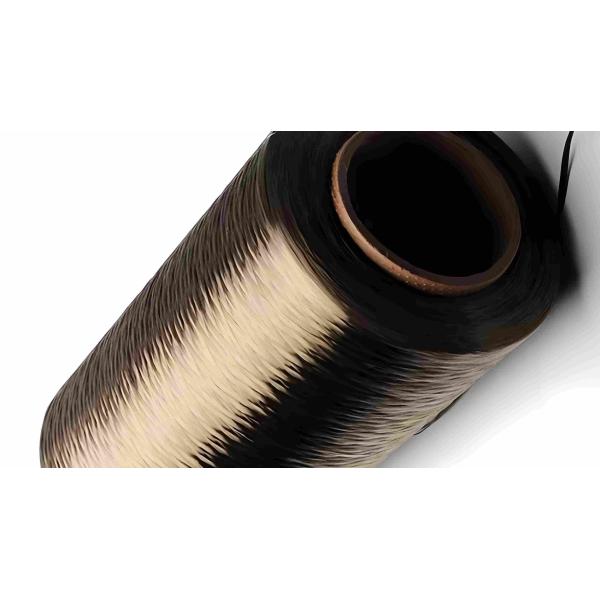
Basalt Fiber Civil Engineering Transportation Infrastructure Environmental Protection And Applications
Product Attributes
| Attribute |
Value |
| Material |
Basalt |
| Filament Diameter |
9-24(μm) |
| Tensile Strength(MPa) |
≥3200-≥4150(MPa) |
| Elastic Modulus(GPa) |
91-110(GPa) |
| Alkali Resistance |
≥85%-≥95% |
| Max Operating Temp |
880°C/650°C |
| Fire Resistance |
Non-combustible |
| Chemical Resistance |
Excellent |
| Abrasion Resistance |
Excellent |
| Uv Resistance |
Excellent |
| Corrosion Resistance |
Excellent |
| Environmental Friendliness |
100% Natural and Recyclable |
Product Introduction
Basalt Fiber Material is an advanced inorganic composite derived from natural volcanic basalt rock. Melted at 1,450-1,500°C and drawn into continuous filaments, it offers exceptional mechanical strength, thermal stability, and corrosion resistance.
- Eco-Friendly: 100% natural, recyclable, and free of carcinogens
- Extreme Temperature Tolerance: Operates in -269°C to 800°C environments
- Chemical Resistance: Impervious to acids, alkalis, and solvents
- Lightweight: 20-30% lighter than fiberglass with equivalent strength
- Applications: Structural reinforcement, thermal insulation, automotive parts, aerospace components, and fireproof textiles
Manufacturing Process
- Raw Material Processing: Basalt rock is crushed and melted in a platinum-rhodium alloy furnace at 1,450-1,500°C
- Fiber Drawing: Molten basalt is extruded through spinnerets to form 7-25 µm diameter filaments
- Textile Production: Filaments are woven into unidirectional (UD), plain, twill, or satin fabrics using precision looms
- Surface Treatment: Coated with sizing agents (e.g., silane) to enhance adhesion and UV resistance
- Quality Control: ISO 9001-certified testing for tensile strength (3,800-4,800 MPa) and thermal stability
Usage Precautions
- Mechanical Handling: Avoid sharp tools or excessive bending to prevent fiber breakage
- Chemical Exposure: Resistant to most chemicals but avoid prolonged contact with strong oxidizers (e.g., concentrated sulfuric acid)
- Thermal Management: Prevent rapid temperature shifts to avoid thermal shock cracking; use in dry conditions
- Storage: Store in ventilated, dry areas; avoid folding under tension
Specifications
| Parameter |
Details |
| Material |
100% Continuous Basalt Filaments |
| Density |
2.6-2.8 g/cm³ |
| Tensile Strength |
3,800-4,800 MPa (warp/weft) |
| Elastic Modulus |
93-110 GPa |
| Temperature Range |
-269°C to +800°C (short-term: up to 900°C) |
| Weight |
100-900 g/m² |
| Width |
1-3 m |
| Thickness |
0.2-0.5 mm |
| Certifications |
ISO 9001, CE, ASTM D6637 |
Applications & Case Studies
A. Construction
Case: Bridge decks in China reinforced with basalt fiber composites to withstand seismic activity
- Reinforcement: Used in concrete to enhance tensile strength and reduce cracking
- Fireproofing: Fire-resistant curtains and insulation for high-temperature industrial facilities
B. Automotive
Case: Spanish GALFER's motorcycle brake pads using basalt fiber
- Brake Pads: High-temperature friction materials for reduced wear and heat fade
- Body Panels: Lightweight composites for fuel efficiency
C. Aerospace
Case: Lunar mission flags (e.g., China's Chang'e-6 probe) using basalt fiber's thermal resilience
- Aircraft Components: Reinforced engine mounts and interior panels
D. Industrial
- Pipelines: Corrosion-resistant liners for oil and gas
- Marine: Hulls and decks resistant to seawater corrosion
E. Sports & Safety
- Protective Gear: Fireproof clothing, helmets, and automotive safety belts