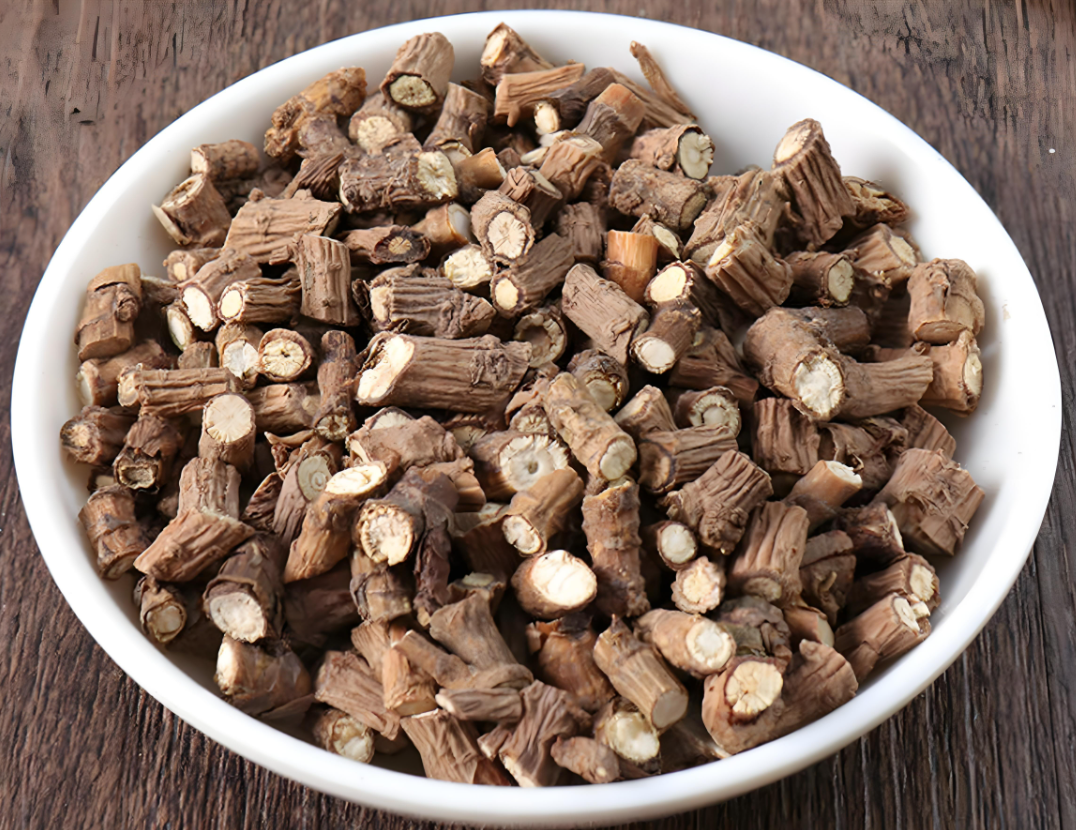
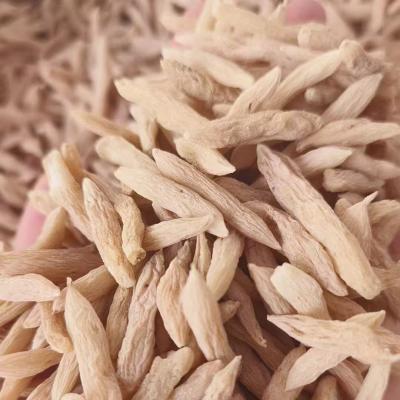
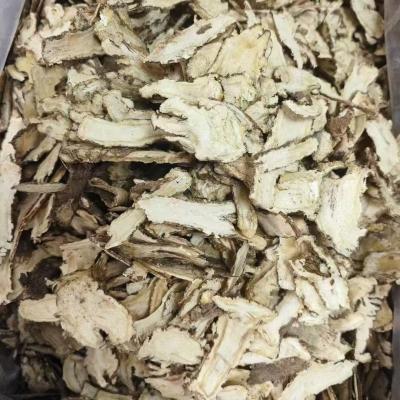
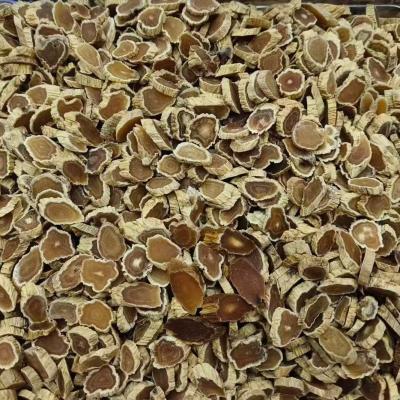
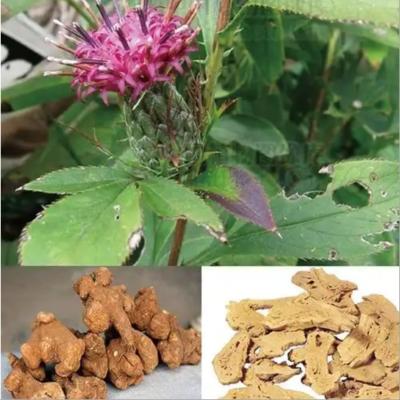
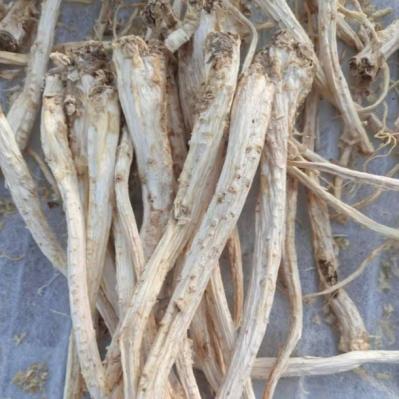
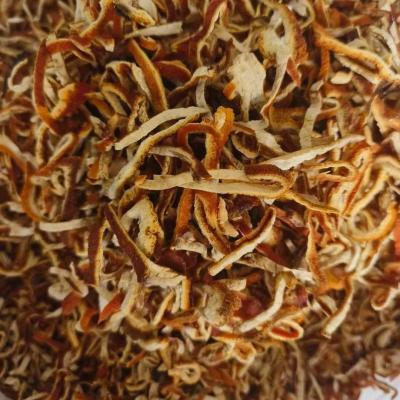
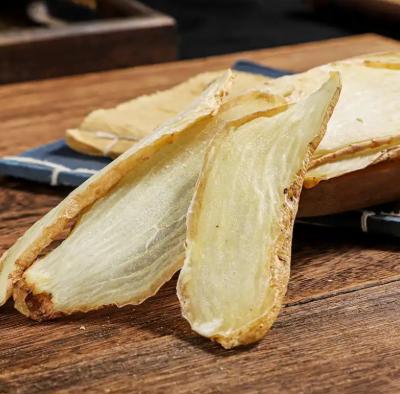
Bupleurum is one of the most commonly used medicinal herbs in clinical Traditional Chinese Medicine (TCM), renowned for its outstanding efficacy in regulating the liver and gallbladder and reducing fever. Its functions can be summarized in one sentence: soothing the liver to relieve depression, harmonizing and reducing fever, and lifting yang qi.

I. Core Efficacy and Clinical Applications
1. Harmonizing and Reducing Fever
This is the classic efficacy of Bupleurum.
-
Meaning: It can dispel pathogenic factors lingering between the exterior and interior of the body, thereby relieving fever characterized by alternating chills and fever.
-
Applications:
-
Fever from common cold: Especially suitable for wind-heat common cold, or symptoms such as alternating chills and fever, bitter taste in the mouth, dry throat, and fullness and discomfort in the chest and hypochondrium after a cold. Representative formula: Xiaochaihu Tang (Minor Bupleurum Decoction).
-
Malaria with chills and fever: Traditionally used to treat the regular alternation of chills and fever caused by malaria.
-
Modern Perspective: It has clear antipyretic, anti-inflammatory, and antiviral effects, commonly used in treating influenza, viral colds, etc.
2. Soothing the Liver to Relieve Depression
This is the key to Bupleurum's role in regulating emotions and the digestive system.
3. Lifting Yang Qi
This is a unique directional action of Bupleurum.
II. Modern Pharmacological Research Support
-
Antipyretic and Anti-inflammatory: Bupleurum saponins are its core components, which can regulate the body's temperature center and inhibit inflammatory responses.
-
Hepatoprotective and Choleretic: Promotes bile secretion, lowers transaminase levels, and protects against chemical or immune-induced liver damage.
-
Immune Regulation: Has a bidirectional regulatory effect on immune function.
-
Antidepressant: Its liver-soothing and depression-relieving efficacy corresponds with modern research on its antidepressant and sedative effects.
-
Antibacterial and Antiviral: Inhibits various bacteria and viruses.
III. Important Precautions and Contraindications (Key to Usage)
Although Bupleurum is commonly used, its application requires strict adherence to principles, as improper use can easily lead to side effects.
-
Use Based on Pattern Differentiation, Not Indiscriminately:
-
Suitable for: Those with liver depression, qi stagnation, pathogenic factors in the Shaoyang channel (alternating chills and fever), or sinking yang qi.
-
Use with Caution or Contraindicated in:
-
Liver yang hyperactivity pattern: Manifested as dizziness, head distension, red face and eyes, irritability, and quick temper (common in hypertension types). Bupleurum's ascending nature may worsen symptoms.
-
Yin deficiency with effulgent fire pattern: Manifested as heat in palms and soles, tidal fever, night sweats, dry mouth and throat, red tongue with scant coating. Bupleurum may "plunder liver yin," potentially exacerbating yin deficiency.
-
Rebellious qi ascent: Such as severe cough or vomiting.
-
The Theory that Bupleurum "Plunders Liver Yin":
Traditionally, it is believed that due to its ascending and dispersing nature, excessive dosage or prolonged use of Bupleurum may deplete liver yin. Therefore, modern application advocates "avoiding excessive dosage for soothing the liver, and using small doses especially for lifting yang." When treating liver depression, it is often combined with blood-nourishing and liver-emolliating herbs like White Peony Root (Baishao) and Chinese Angelica (Danggui) to counteract its drying property (e.g., as in Xiaoyao San (Free Wanderer Powder)).
-
Different Processed Forms Have Different Efficacy Emphases:
-
Raw Bupleurum (Sheng Chaihu): Strong ascending and dispersing effect, commonly used for releasing the exterior and reducing fever.
-
Vinegar-processed Bupleurum (Cu Chaihu): After processing with vinegar, its action of entering the liver channel is enhanced, making it more effective for soothing the liver to relieve depression and alleviate pain.
-
Soft-shelled Turtle Blood-processed Bupleurum (Biexue Chaihu): Processed with soft-shelled turtle blood, it enhances its effect in reducing deficiency heat and moderates its ascending and dispersing dryness. Suitable for those with febrile diseases damaging yin or liver yin deficiency.
-
Dosage and Administration:
The typical decoction dosage is 3-10 grams. Larger doses (15 grams or more) may be used for reducing fever, while small to medium doses are suitable for soothing the liver or lifting yang. It is essential to follow a practitioner's instructions.