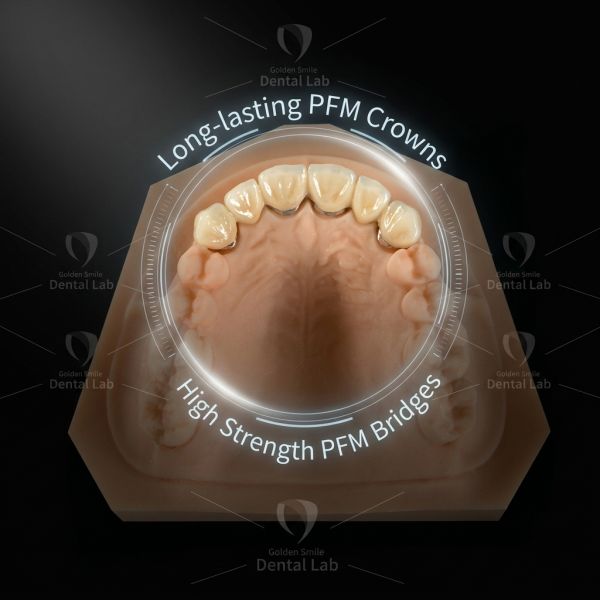
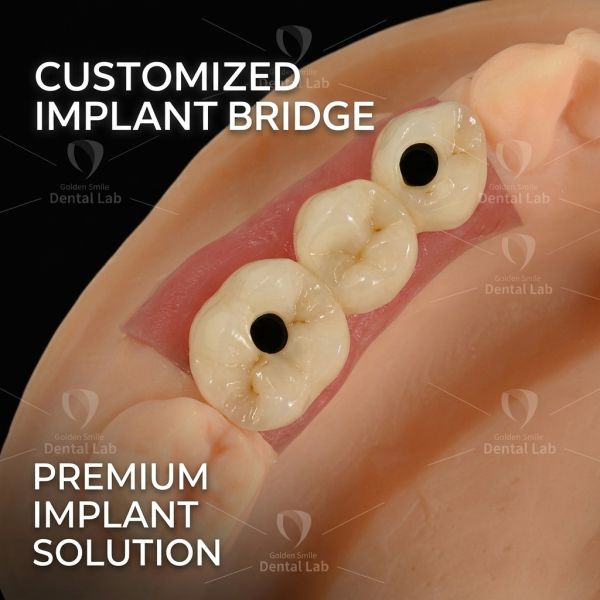
The integration of 3D printing technology marks a transformative shift in restorative dentistry, replacing manual labor with high-precision digital workflows. This additive manufacturing process allows for the creation of intricate dental prosthetics with unmatched accuracy, significantly reducing patient discomfort and streamlining the production cycle to as little as four hours for fixed restorations.
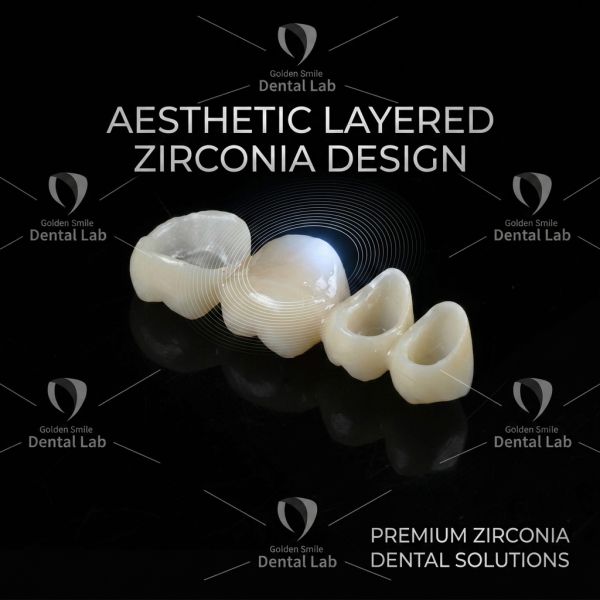
Best-of-Both-Worlds Performance: This design brings together the extreme fracture resistance of zirconia and the unmatched aesthetics of conventional porcelain. It is the "Perfect Solid Zirconia" solution for high-visibility areas.
Superior Facial Aesthetics: By layering porcelain only on the facial aspect, we achieve a life-like, multi-chromatic appearance. The restoration reflects light exactly like a natural tooth, making it virtually indistinguishable from surrounding dentition.
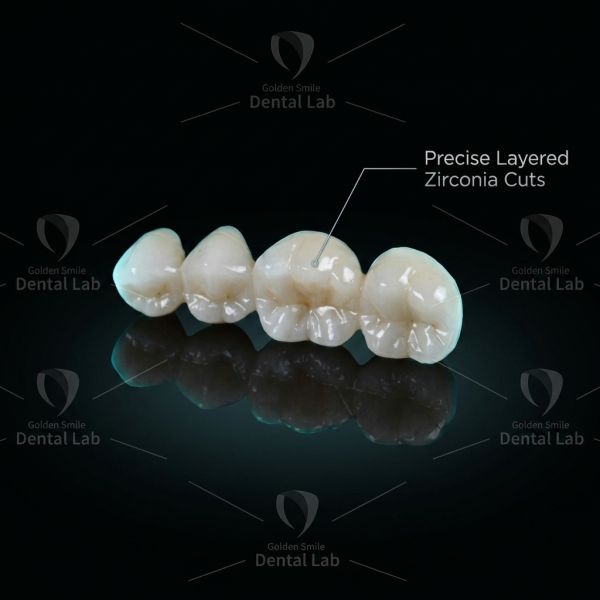
Functional Durability: While the front is beautiful, the palatal (tongue-side) and occlusal (biting) areas remain in monolithic zirconia. This ensures that the surfaces bearing the most stress are resistant to chipping and delamination.
Conservative Palatal Profile: Maintaining a monolithic palatal area allows for a thinner design compared to full-layered crowns, preserving more of the patient’s natural tooth structure.
Precision Fit: Because the core is digitally milled, the marginal integrity and internal fit are exceptionally accurate, ensuring long-term periodontal health.
The 3D printing program follows a sophisticated sequence to ensure every prosthetic is a perfect anatomical match:
Digital Acquisition: Technicians utilize high-resolution scanners to capture oral data, generating a precise virtual model within the CAD software.
Additive Fabrication: The finalized design is transferred to the 3D printer. Using light-cured liquid resins, the printer’s nozzle sprays material onto the printing plate layer-by-layer, which is then solidified by a high-intensity light source.
Investment Casting (Lost-Wax Method): For metal-based restorations, the printed resin model serves as the master pattern. It is embedded to create high-precision female and male molds.
Thermal Processing: The resin pattern is burned away to leave a clean cavity. Molten metal solution is then injected into this space to form the high-strength framework.
Aesthetic Finishing: Once cooled, the metal structure is layered with specialized porcelain. Advanced staining techniques are applied to harmonize the prosthetic with the patient's existing dentition for a completely natural look.