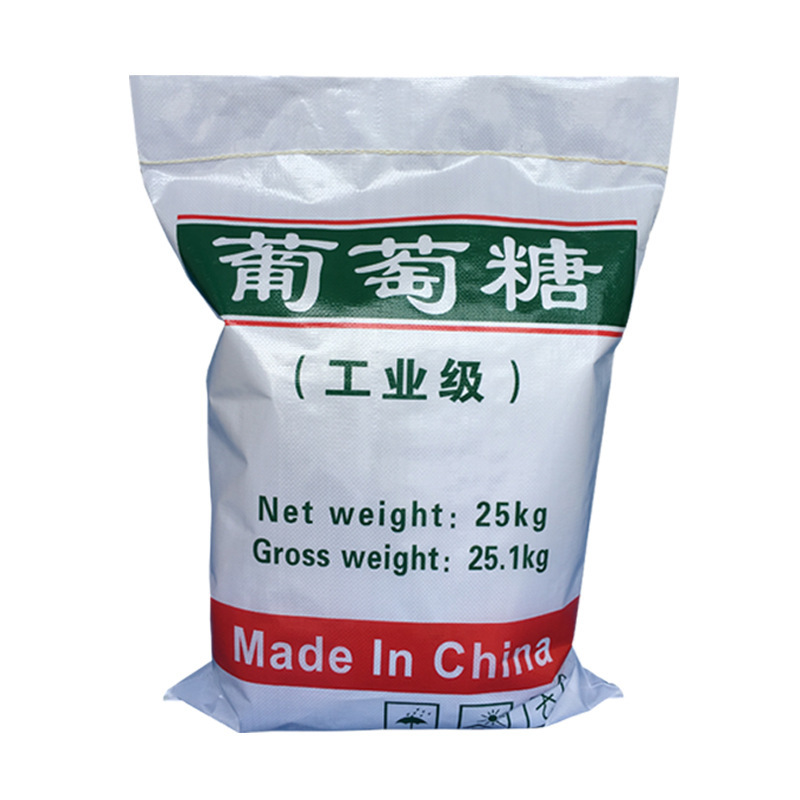
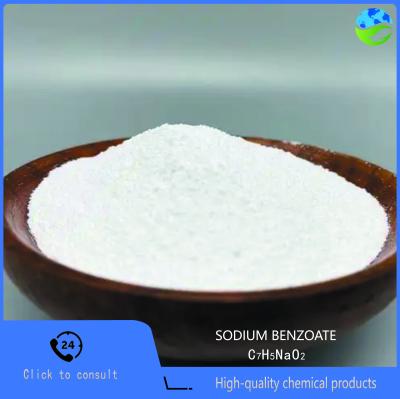
Glucose Powder 50-99-7 for Pharmaceutical Food Additives
Product Description
Industrial Grade Dextrose is an important basic chemical and biological fermentation raw material, valued for its high reducibility, excellent fermentability, and superior chelating ability. It plays a critical role in bio-manufacturing, industrial auxiliaries, and environmental treatment.
The production process primarily utilizes starch enzymatic hydrolysis technology, achieving large-scale production through the precise catalytic pathway of "Starch → Dextrin → Dextrose".
- Aliases: D-Glucose, Corn Sugar
- English Name: Industrial Grade Dextrose
- Chemical Formula: C₆H₁₂O₆
- Molecular Weight: 180.16
- CAS Number: 50-99-7
Key Properties: Strong reducibility, high fermentation efficiency, good water solubility, excellent biodegradability
Advanced Application Scenarios
1. "Fermentation Core Substrate" in Bio-manufacturing
- Antibiotic fermentation culture medium: Used as a carbon source in the fermentation production of penicillin, streptomycin, etc., with conversion efficiency exceeding 85%.
- Organic acid synthesis precursor: Serves as a basic raw material in the production of citric acid, sodium gluconate, etc., with product purity ≥ 99.5%.
2. "Green Reducing Agent" in Industrial Processing
- Textile dyeing reduction cleaning: Replaces sodium hydrosulfite in post-treatment of vat dyes, reducing COD emissions by 70%.
- Metal surface treatment: Acts as a reducing agent in electroless copper plating, achieving a deposition rate of 8-12 μm/h.
3. "Carbon Source Supplement" in Environmental Treatment
- Wastewater treatment denitrification carbon source: 40% lower cost than sodium acetate, with a denitrification rate of 0.2 kg NO₃-N/kg dextrose.
- Hazardous waste bioremediation: Serves as a microbial growth promoter, increasing petroleum hydrocarbon degradation rate to 90%.
4. "Functional Modifier" in Building Materials
- Concrete retarder: Replaces sucrose for construction in high-temperature seasons, extending initial setting time by 4-6 hours.
- Gypsum board production regulator: Improves crystal morphology, increasing flexural strength by 25%.
Technological Breakthroughs and Sustainable Development
Enzymatic Hydrolysis Optimization
- Developed composite system of heat-resistant α-amylase and glucoamylase, increasing conversion rate to 98.5%.
- Replaced traditional activated carbon decolorization with membrane separation purification technology, achieving product transmittance ≥ 98%.
Fermentation Process Upgrade
- High-density fermentation technology increases cell concentration to 150 g/L, improving production efficiency threefold.
- Metabolic engineering of strains brings the yield of target products from glucose close to the theoretical maximum.
Green Production System
- Wastewater recycling system achieves near-zero discharge, reducing water consumption per ton of product to below 5 tons.
- Resource utilization of fermentation residues to produce organic fertilizer, achieving full-process waste resource recovery.
Intelligent Control
- Online glucose concentration monitoring system with control accuracy of ±0.5%.
- Big data optimization of production processes reduces energy consumption by 35%.
Technical Advantages
Quality Advantages
| Dextrose Content |
≥ 99.0% |
| Moisture |
≤ 10.0% |
| Ash Content |
≤ 0.1% |
Physical Characteristics
| Appearance |
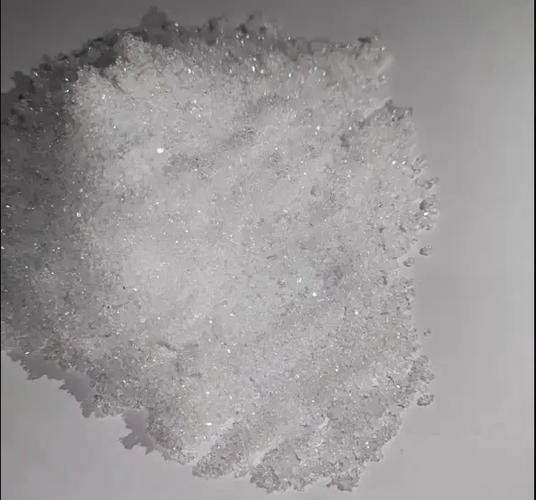
White crystalline powder |
| Solubility |
≥ 60 g/100 ml water at 20°C |
| Specific Optical Rotation |
+52.5° to +53.0° |
Application Support
- Provides customized particle size distribution (80-120 mesh)
- Professional technical team offers process optimization solutions