Anionic Cationic Non-ionic Polyacrylamide PAM Polyelectrolyte For Water Tretment Flocculation And Coagulation
Why choose US?
- OYIPOLYMER Polyacrylamide for Canada – Premium Flocculant for Mining, Municipal Wastewater & Infrastructure Projects
- OYIFLOC Polyacrylamide, proudly manufactured by OYI Environmental Technology Co., Ltd., is a high-efficiency water-soluble polymer widely applied in African mining, water utilities, construction, and agriculture. Available in Anionic (APAM) and Cationic (CPAM) grades, OYIFLOC PAM is engineered to deliver exceptional solid-liquid separation, sludge volume reduction.
-
Strong flocculation with low dosage for cost savings
-
High molecular weight: 5–25 million
-
Effective across various water chemistries and tropical climates
-
Reduces dependency on alum/ferric coagulants
-
Long shelf life, easy transport and storage (non-toxic & safe
Application Fields
1.Flocculation and Coagulation
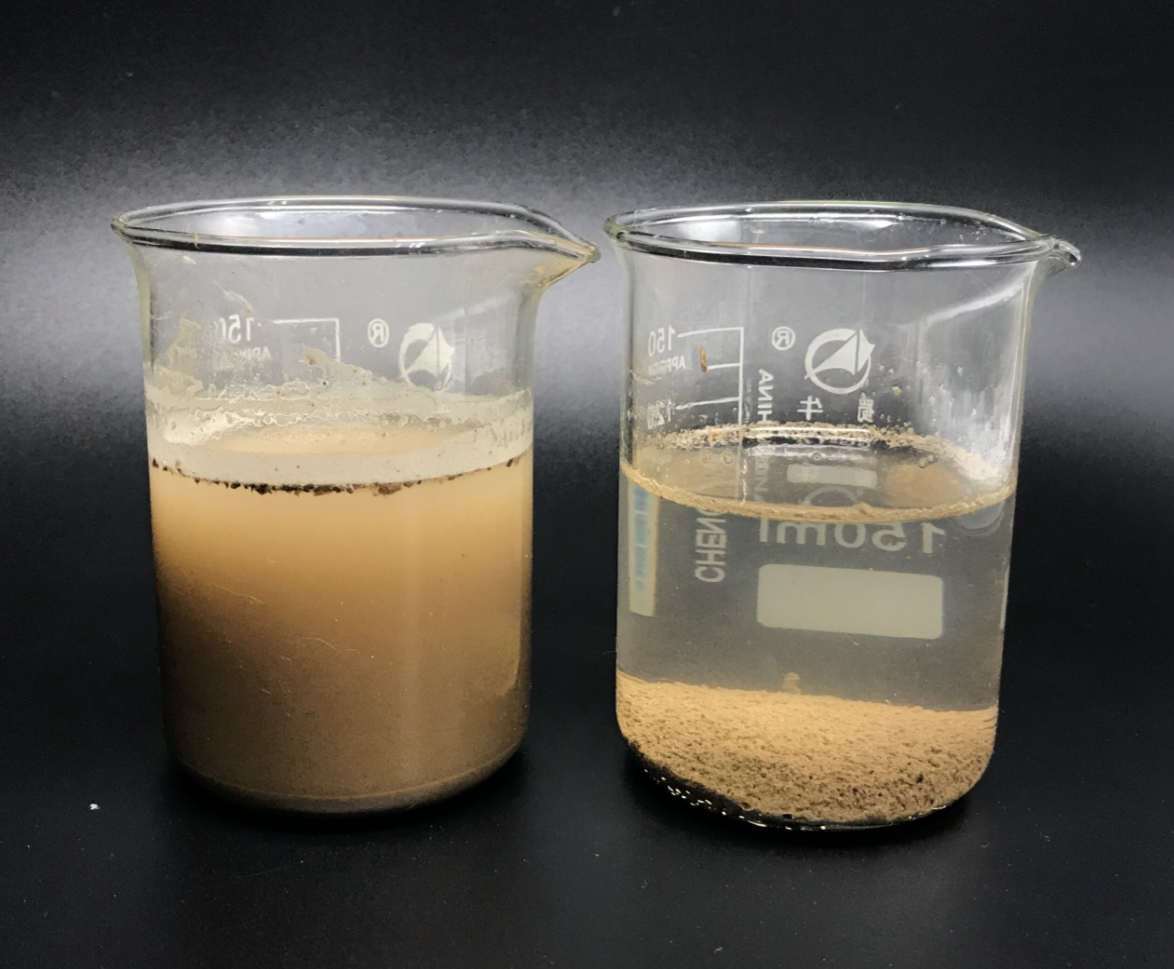
- Aggregation of fine particles: Polyacrylamide is widely used as a flocculant, where its long-chain polymers attract and bind suspended particles in water. This causes fine particles to aggregate into larger flocs that settle more easily, facilitating efficient solid-liquid separation.
- Improves clarity of treated water: By promoting flocculation, PAM helps to clarify water, making it suitable for reuse or discharge by removing turbidity caused by suspended solids.
2.Sludge Dewatering
- Enhances water removal from sludge: PAM is used to dewater sludge produced during water treatment processes. It helps separate water from the solid waste, reducing the sludge volume, making it easier to handle and dispose of.
- Reduces disposal costs: The reduced sludge volume achieved through effective dewatering also lowers the costs and environmental impact associated with transporting and disposing of sludge.
3.Wastewater Treatment
- Removes organic and inorganic contaminants: In wastewater treatment plants, PAM is used to treat both municipal and industrial wastewater by removing organic pollutants, heavy metals, and other contaminants through coagulation and flocculation.
- Supports water recycling: By enhancing the removal of suspended solids and pollutants, PAM promotes the recycling of treated water, helping industries reduce freshwater consumption and meet regulatory discharge limits.
4.Improves Sedimentation and Filtration
- Faster settling of solids: Polyacrylamide improves the sedimentation rate of particles in clarifiers and settling tanks, speeding up the water treatment process and increasing plant throughput.
- Enhances filtration efficiency: PAM aids in pre-filtration processes by removing larger particles through coagulation, thereby improving the performance and lifespan of filtration systems.
5.Reduction of Chemical Usage
- Works synergistically with other chemicals: Polyacrylamide can reduce the need for higher doses of other chemicals like coagulants (e.g., aluminum sulfate or ferric chloride), optimizing chemical usage and lowering operational costs.
Primary Performance
Anionic Polyacrylamide Specifications
| Appearance |
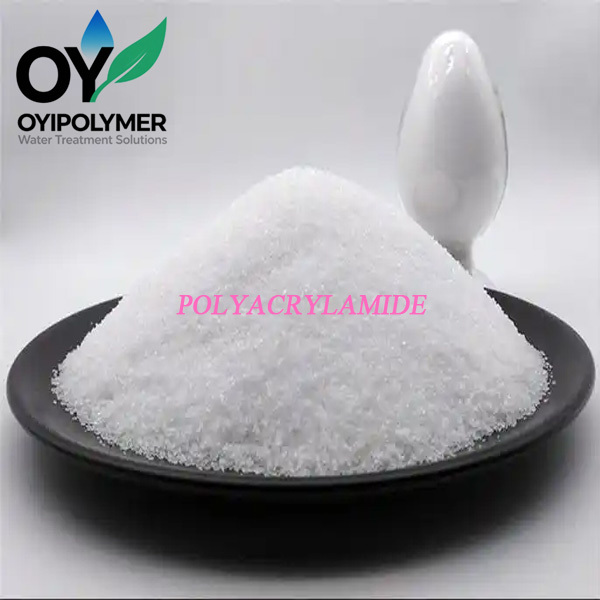
White Powder |
| Mass fraction of polymer content |
≥89% |
| Viscosity (2.5%aqs,30 ℃) |
≥500cps |
| Molecular weight |
12-15million |
| Mass fraction of acrylamide monomer |
≤0.25% |
| Dissolving time (1g/L) |
≤60min |
| Mass fraction of water-insoluble substances |
≤0.5% |