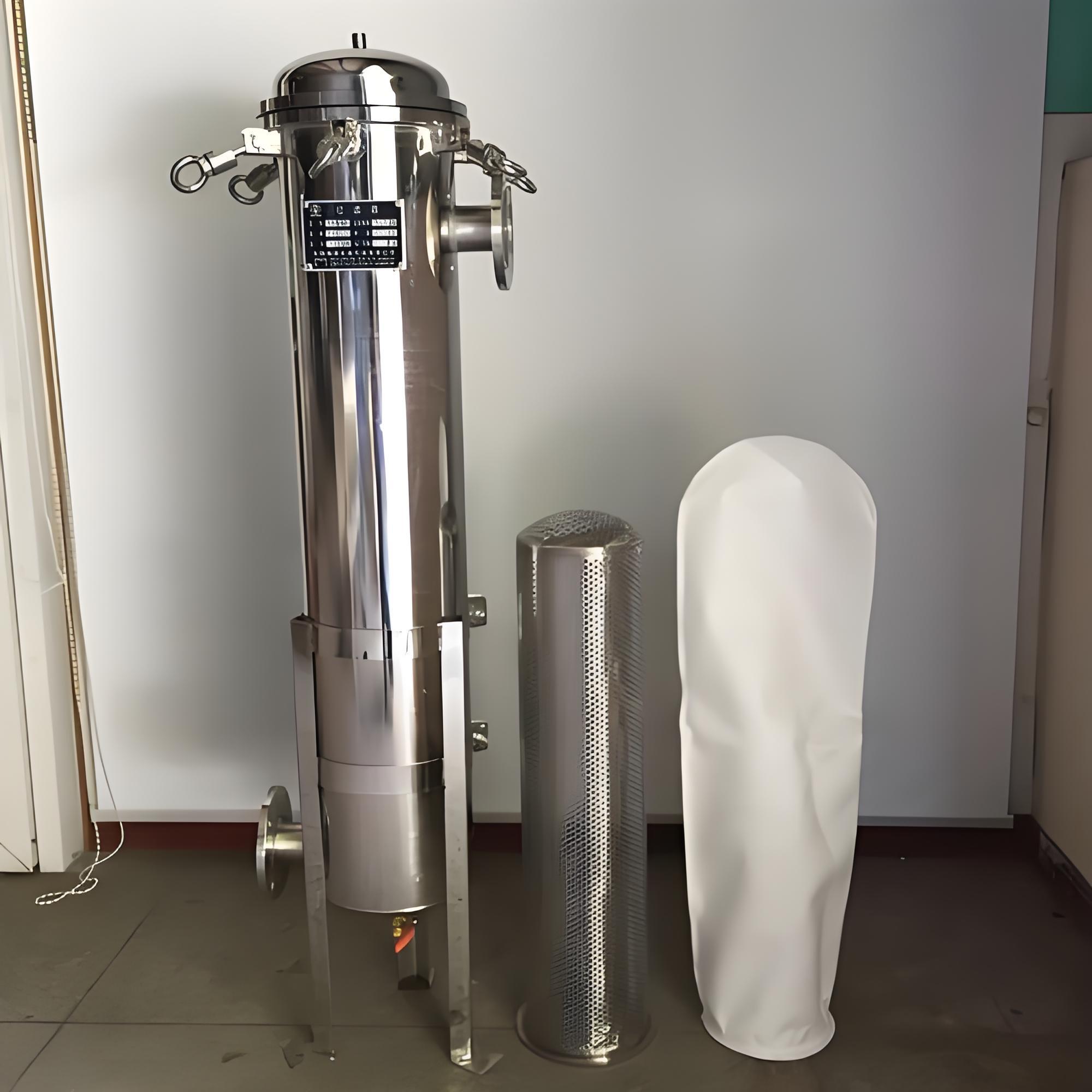
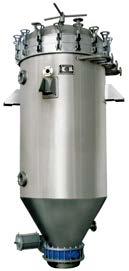
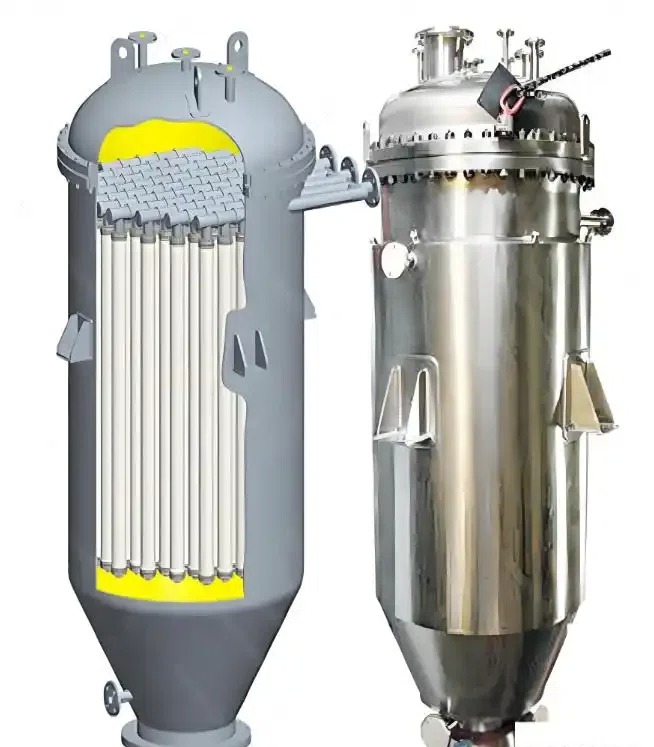
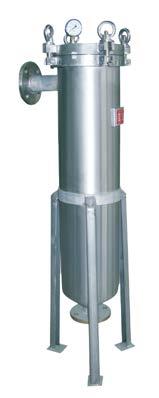
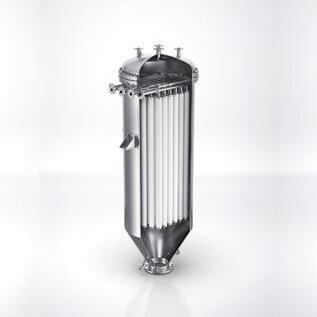
DL Series Food-Grade Stainless Steel Precision Bag Filter for Food and Beverage Industry
Selection Guide: Choosing a Food-Grade Bag Filter for Edible Oil Processing
Food and beverage applications demand special attention to material compliance, cleanability, and product integrity. Follow this guide for edible oil and food processing lines:
| Parameter |
What to Consider |
Recommendation |
| Product Type |
Edible oil, juice, milk, or beer? |
Edible oil: 5-25µ PP/Nylon; Juice: 10-50µ; Milk: 1-10µ; Beer: 1-5µ trap filtration |
| Flow Rate |
Processing line capacity |
1-bag: 5-30 m³/h; 2-bag: 20-50 m³/h; size up for viscous oils (viscosity reduces effective flow) |
| Housing Material |
Food safety compliance |
SS304 minimum; SS316L recommended for acidic products (citrus juice, wine) or CIP chemicals |
| Surface Finish |
Cleanability requirements |
Ra ≤0.8µ sanitary polish standard; Ra ≤0.4µ mirror polish for aseptic applications |
| Seal Material |
FDA compliance needed |
FDA-compliant EPDM (standard); PTFE (high-temp); Silicone (low-extractable, premium) |
| CIP Compatibility |
Automated cleaning? |
All food-grade DL models support CIP up to 120°C; verify chemical compatibility of seals |
| Connection Type |
Sanitary requirements |
Tri-clamp (standard sanitary); DIN 11864 (aseptic); Threaded (utility only, not food-contact) |
| Filter Bag Media |
Product contact safety |
All bags must be food-grade certified; request FDA/EC 1935/2004 compliance certificates |
For Edible Oil Specifically: After centrifugal separation, a 10-25µ bag filter polishes residual meal fines and bleaching earth. For winterized oils, consider pre-heating the housing to prevent wax crystallization on the filter media.
Frequently Asked Questions
Are the DL Series food-grade bag filters FDA compliant?
All product-contact materials (SS304/SS316L housing, filter bags, and seals) are manufactured from FDA 21 CFR compliant materials. We provide material compliance certificates upon request. Filter bag media are certified under EC 1935/2004 for food contact. For full FDA registration of the complete assembly, please specify at time of order.
Can I run CIP (Clean-in-Place) through the bag filter housing?
Yes. All food-grade DL Series models are CIP-compatible. Remove the filter bag, close the housing, and circulate cleaning solution at the recommended temperature and flow rate. For best results, use a pulsating flow CIP cycle to ensure thorough cleaning of all internal surfaces. Verify seal material compatibility with your CIP chemicals.
What micron rating do I need for edible oil polishing?
After centrifugal separation, edible oils typically require 10-25µ filtration to remove residual meal fines, bleaching earth, and winterization solids. For cooking oil destined for retail bottling, 5-10µ achieves exceptional clarity. For industrial bulk oil, 25-50µ is often sufficient. We recommend starting at 25µ and reducing based on clarity requirements.
How does oil viscosity affect filtration performance?
Viscosity significantly impacts flow rate through filter media. At 40°C, typical vegetable oils have 10-20x the viscosity of water, reducing effective flow capacity by 30-50%. Always specify your operating temperature when sizing--a filter sized at room temperature may be undersized for cold oil. Pre-heating oil to 40-60°C dramatically improves throughput.
Can I use the same filter for different food products?
Yes, with proper CIP between products. However, to prevent allergen cross-contamination, we recommend dedicating filter bag types per product category (e.g., separate sets for soy oil vs. nut oil). Document all cleaning cycles in your HACCP or food safety plan. For facilities producing both allergenic and non-allergenic products, consider separate dedicated housings.