Specifications
Description
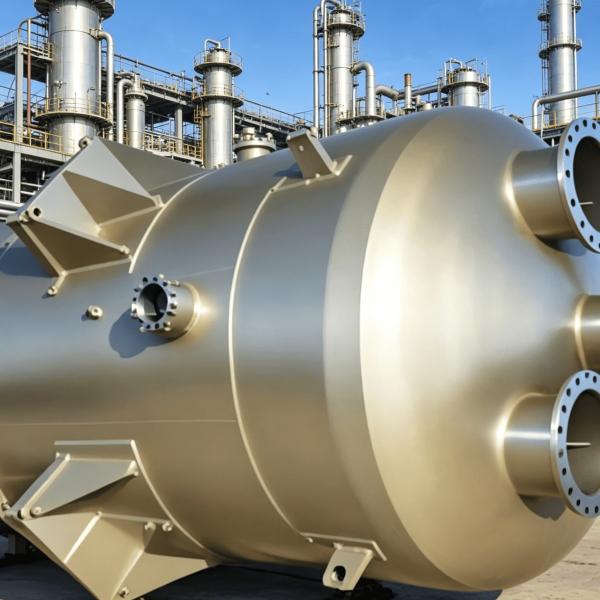
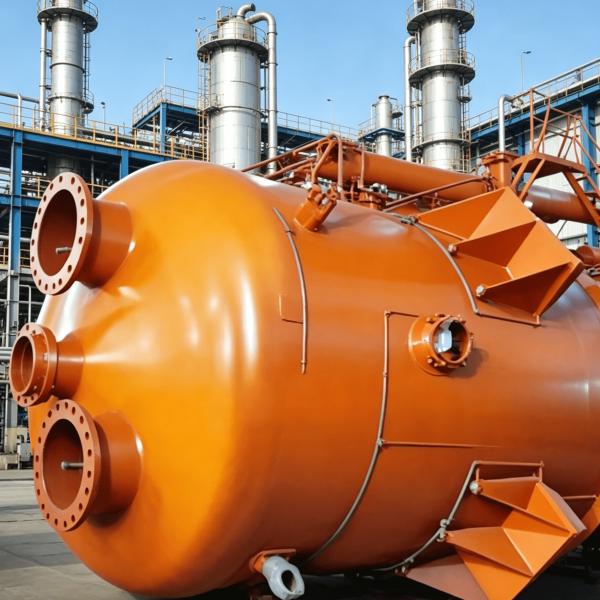
Stainless Steel Gravity Oil-Water Separators: Engineering High-Efficiency Phase Separation

For industrial facilities—ranging from chemical processing plants to oil refineries—managing wastewater is a critical operational component. A Stainless Steel Gravity Oil-Water Separator (OWS), engineered with custom dimensions to match specific hydraulic loading rates, provides the most reliable method for removing non-emulsified hydrocarbons. By tailoring the separator’s size, operators can guarantee the required hydraulic residence time (HRT), ensuring compliance with strict environmental discharge regulations.

The Engineering Logic: Why Custom Sizing Matters

One-size-fits-all solutions often fail in industrial applications because they ignore the fluid dynamics of the specific waste stream. The efficiency of gravity separation is fundamentally tied to Stokes' Law, which defines the terminal rise velocity of an oil droplet:

Why Custom Sizing is Essential
  1. Hydraulic Residence Time (HRT): Customizing the tank volume ensures that the water remains in the separator long enough for smaller oil droplets to rise to the surface. If the tank is too small for the flow rate, "short-circuiting" occurs, and oil is carried out in the effluent.

  2. Surface Loading Rate: Proper sizing ensures that the upward velocity of the water does not exceed the rise velocity of the oil droplets you need to capture.

  3. Flow Momentum: A custom-designed inlet diffuser, matched to your specific flow rate, dissipates incoming energy, maintaining the laminar flow necessary for effective separation.

The Advantage of Stainless Steel Construction

While carbon steel is cheaper upfront, it is prone to corrosion, requiring expensive coatings that eventually fail. Stainless Steel (304L or 316L) offers a superior lifecycle value:

  • Corrosion Resistance: The passive chromium-oxide layer on stainless steel resists aggressive chemical environments and saline water, preventing "rust bleeding" that can contaminate effluent.

  • Mechanical Durability: Stainless steel handles high-pressure cleaning and the abrasive wear of solids, ensuring the vessel maintains its structural integrity for decades.

  • Hygienic Surface: The non-porous finish prevents biological growth and sludge buildup, which are common in cheaper synthetic materials.

Key Design Features for Maximum Efficiency

Design Feature

Technical Function

Coalescing Media Packs

Forces small oil droplets to collide and form larger ones, drastically increasing separation speed.

Adjustable Effluent Weirs

Allows fine-tuned control over the oil-water interface, ensuring precision decanting.

V-Bottom Hoppers

Facilitates the collection and easy removal of settleable solids, preventing "dead zones."

Custom Inlet Diffusers

Converts turbulent influent into laminar flow, the prerequisite for gravity separation.

Operational Best Practices for Peak Performance

To maintain the efficiency of your custom-sized separator, follow these protocols:

  • Avoid High-Shear Pumps: Centrifugal pumps located upstream can emulsify oil, breaking it into droplets too small for gravity separation. Use diaphragm or progressive cavity pumps to maintain droplet size.

  • Periodic Maintenance: Inspect the coalescing media packs quarterly. In systems with high solids loading, these packs may eventually require a high-pressure wash to remove accumulated debris.

  • Level Monitoring: Integrate electronic oil-level sensors to automate the skimming process, preventing oil layer buildup from "bleeding" into the discharge stream.

Frequently Asked Questions (FAQ)
Q: Can a gravity separator remove emulsified oil?

A: No. Gravity separators are designed for free (non-emulsified) oil. If you have stable emulsions (often caused by detergents or surfactants), you will need pre-treatment steps like pH adjustment or demulsifier dosing upstream of the separator.

Q: How do I know what size I need?

A: Sizing requires a calculation based on your peak flow rate (m3/hr), the specific gravity of the oil, and the required effluent quality (ppm). Our engineering team typically models the hydraulics to determine the optimal length-to-width ratio to prevent flow channeling.

Q: Does custom sizing increase the cost significantly?

A: While there is an engineering cost for custom design, it is often offset by the operational savings of having a unit that functions perfectly the first time, preventing expensive downstream cleanup costs or regulatory fines.

A custom-sized Stainless Steel Gravity Oil-Water Separator is an investment in process reliability. By aligning the vessel dimensions with the physical requirements of your specific flow regime and fluid properties, you create a robust, low-maintenance phase separation solution that serves your facility for years to come.

Are you currently in the design or procurement phase for an oil-water separation system?

Send your message to this supplier
Send Now

Stainless Steel Gravity Oil-Water Separators: Engineering High-Efficiency Phase Separation

Ask Latest Price
Contact Supplier
Stainless Steel Gravity Oil-Water Separators: Engineering High-Efficiency Phase Separation

Shijiazhuang Zhongzheng Technology Co., Ltd.

Verified Supplier
1 Years
hebei, shijiazhuang
Since 2008
Business Type :
Manufacturer
Total Annual :
100,000,000-200,000,000
Employee Number :
400~500
Certification Level :
Verified Supplier
Contact Supplier
Submit Requirement