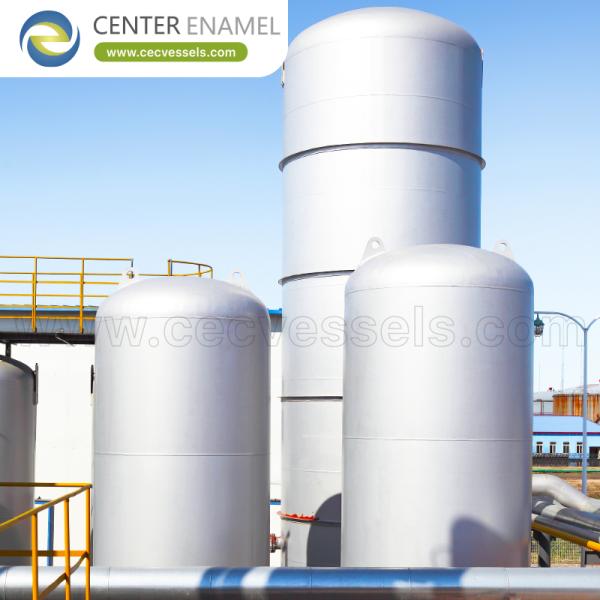
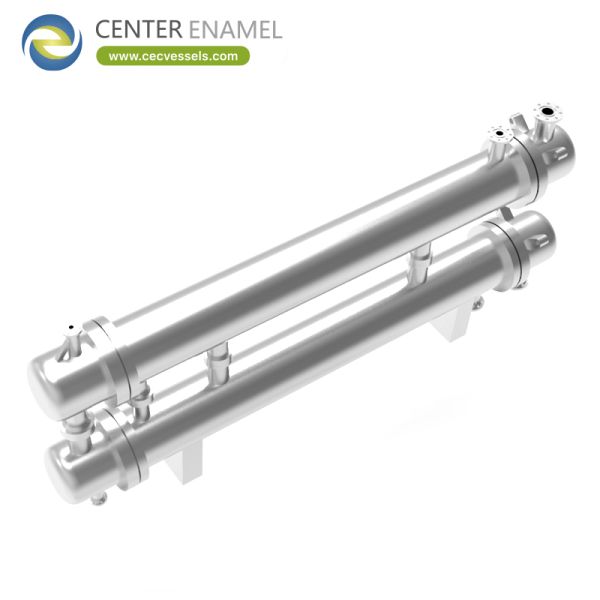
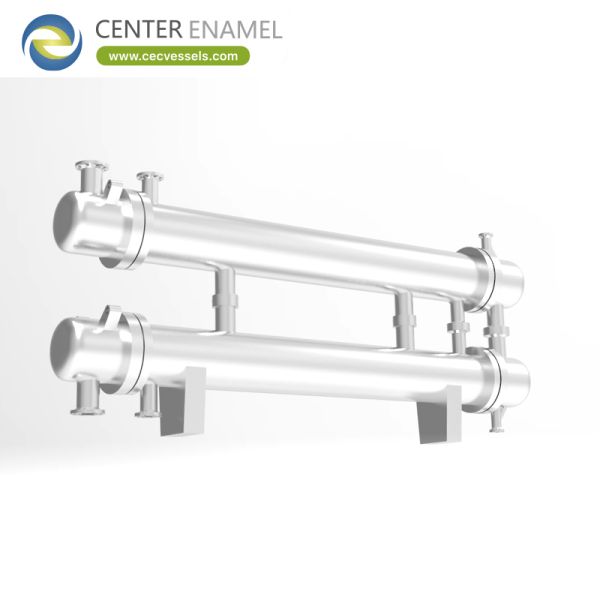
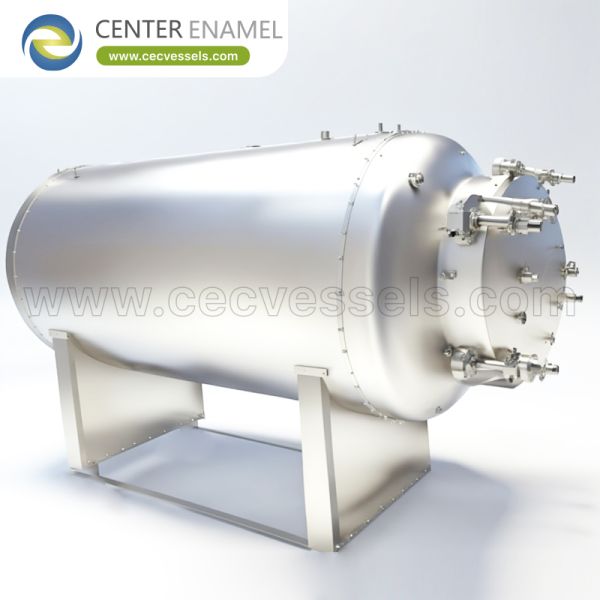
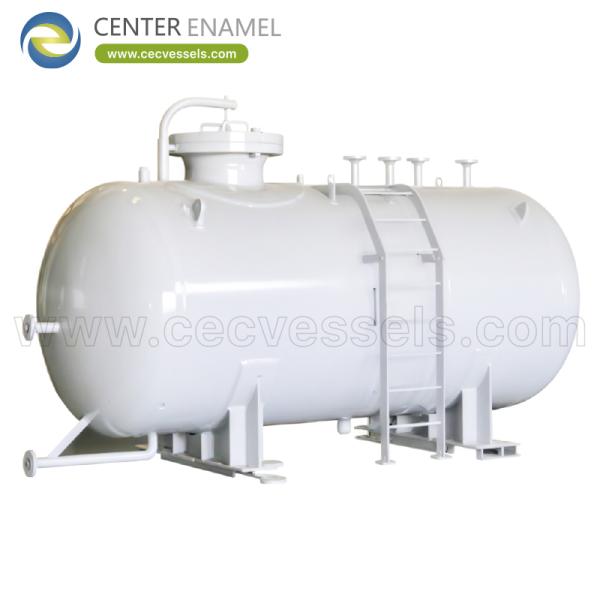
Specifications
Size :
Customized
Material :
Stainless Steel, Carbon Steel
Design Pressure :
0.1-10 Mpa
Applications :
Chemical, Food Processing, Beverage Processing, Brewing, Metallurgy, Oil Refining, Pharmaceuticals
Brand Name :
Center Enamel
Certification :
ASME,ISO 9001,CE, NSF/ANSI 61, WRAS, ISO 28765, LFGB, BSCI, ISO 45001
Place of Origin :
China
MOQ :
1 Sets
Price :
10000 USD
Payment Terms :
L/C,T/T
Supply Ability :
200 sets / days
Delivery Time :
2 months
Description
Multifunctional Stainless Steel Reactors: High Conversion Esterification

High-conversion esterification requires overcoming the fundamental thermodynamic limitations of reversible reactions. A Multifunctional Stainless Steel (SS) Reactor—specifically one designed for reactive distillation—shifts the chemical equilibrium by continuously removing water from the system. When paired with high-grade corrosion-resistant metallurgy (such as 316L or Duplex steel), these reactors ensure both long-term operational integrity in acidic environments and maximum product yield, making them the superior choice for modern chemical processing.

1. The Chemistry of High Conversion Esterification

The esterification reaction is an equilibrium-limited process:

According to Le Chatelier’s Principle, to drive the reaction toward the right (maximizing ester production), one must continuously remove the byproduct (water) from the reaction zone.

The Multifunctional Advantage

Traditional Stirred Tank Reactors (STRs) often require a separate downstream unit for water removal. A Multifunctional Reactor integrates these processes. By combining the reaction zone with a distillation column, the water is removed as a vapor via an azeotrope or distillation as soon as it is formed, pushing the conversion rate toward 99%+.

2. Engineering for Corrosion Resistance

Esterification catalysts (such as sulfuric acid, p-toluenesulfonic acid, or solid acid catalysts) create a highly corrosive environment. Reactor longevity is defined by the material's ability to maintain its passive oxide layer.

Material Selection Guide
Material GradeCorrosion ResistanceApplication Context
SS 304/304LModerateOnly for non-acidic/neutral processes.
SS 316/316LHighStandard for organic acids; excellent pitting resistance.
Duplex (2205)Very HighExcellent stress-corrosion cracking resistance; high strength.
Hastelloy/Special AlloysExtremeNecessary for concentrated mineral acid catalysts.

Critical Design Note: Even when using corrosion-resistant SS, weld integrity is paramount. Sensitization during welding can deplete chromium at the grain boundaries, leading to intergranular corrosion. Ensure all welds are properly post-weld treated and passivated.

3. Optimizing Reactor Performance

To achieve high conversion rates, the reactor must handle complex thermal and mass transfer demands.

  • Reactive Distillation Columns: The tower structure allows the liquid phase (reactants) to flow downward while the vapor phase (water/alcohol azeotrope) rises, creating multiple theoretical stages of reaction and separation.
  • Heat Integration: Multifunctional reactors often include an internal reboiler or a heating jacket. Because esterification is typically slightly endothermic or thermoneutral, precise temperature control is required to manage vapor-liquid equilibrium without degrading the reactants.
Thermodynamic Efficiency

The reactor design must account for the residence time required for the reaction kinetics:

Multifunctional designs allow for a controlled, plug-flow-like residence time, which is more efficient for high conversion than the back-mixing found in simple tank reactors.

4. Comparison: Reactor Technologies
MetricBatch STRMultifunctional (Reactive Distillation)
Conversion RateLimited by equilibriumVery High (>99%)
FootprintHigh (Requires separate distillation)Compact (Integrated)
Corrosion RiskModerateVariable (Depends on flow velocity)
Energy EfficiencyLow (Multiple heat cycles)High (Integrated heat integration)
5. Frequently Asked Questions (FAQ)

Q: Can a standard stainless steel reactor be retrofitted for high-conversion esterification?

A: Potentially, but the geometry is key. A simple tank reactor lacks the tray or packing height required for the simultaneous distillation of water. A dedicated multifunctional column design is generally more effective for achieving the equilibrium shift.

Q: Does the "Multifunctional" design increase maintenance?

A: Yes, the complexity is higher due to internal internals like trays or structured packing. Regular inspections are required to ensure these internals remain free of fouling or polymer buildup, which can decrease conversion efficiency.

Q: How do I manage catalyst poisoning in a multifunctional reactor?

A: If using solid acid catalysts, ensure your feedstock is pre-treated to remove impurities (e.g., metals or basic compounds) that can deactivate the catalyst sites. The multifunctional design itself helps by continuously removing water, which can otherwise hydrate and deactivate certain solid catalysts.

Investing in a multifunctional stainless steel reactor is the most effective strategy for facilities aiming to scale up esterification processes while maintaining high purity and conversion yields. By prioritizing corrosion-resistant alloys (316L/Duplex) and leveraging the equilibrium-shifting power of reactive distillation, engineers can minimize energy costs and maximize product output.

Are you in the process of designing a new esterification line or looking to optimize an existing unit for higher conversion rates?

Selecting the right metallurgy depends heavily on the specific acid catalyst and temperature profile of your reaction.

Would you like to discuss the specific differences in performance when using structured packing versus tray columns in a multifunctional esterification reactor?

Send your message to this supplier
Send Now

Multifunctional Stainless Steel Reactors: High Conversion Esterification

Ask Latest Price
Size :
Customized
Material :
Stainless Steel, Carbon Steel
Design Pressure :
0.1-10 Mpa
Applications :
Chemical, Food Processing, Beverage Processing, Brewing, Metallurgy, Oil Refining, Pharmaceuticals
Brand Name :
Center Enamel
Certification :
ASME,ISO 9001,CE, NSF/ANSI 61, WRAS, ISO 28765, LFGB, BSCI, ISO 45001
Contact Supplier
Multifunctional Stainless Steel Reactors: High Conversion Esterification

Shijiazhuang Zhongzheng Technology Co., Ltd.

Verified Supplier
1 Years
hebei, shijiazhuang
Since 2008
Business Type :
Manufacturer
Total Annual :
100,000,000-200,000,000
Employee Number :
400~500
Certification Level :
Verified Supplier
Contact Supplier
Submit Requirement