The modern world relies on a robust and efficient agricultural system to feed a growing global population. At the very heart of this system lies a critical, yet often unseen, industry: fertilizer production. This is a field where science and large-scale engineering converge to create the essential nutrients that enrich our soil and boost crop yields. To meet this immense responsibility, fertilizer plants depend on equipment that is not only powerful and efficient but also exceptionally reliable. At the forefront of this technological drive are High-Performance Tubular Reactors, the unsung heroes that enable the precise and continuous production of vital agricultural chemicals.
In fertilizer production, raw materials like nitrogen, hydrogen, and natural gas must be transformed into highly reactive compounds, most notably ammonia (NH₃). This is a complex chemical process that requires extreme conditions of temperature and pressure.1 The tubular reactor is the perfect vessel for this task.
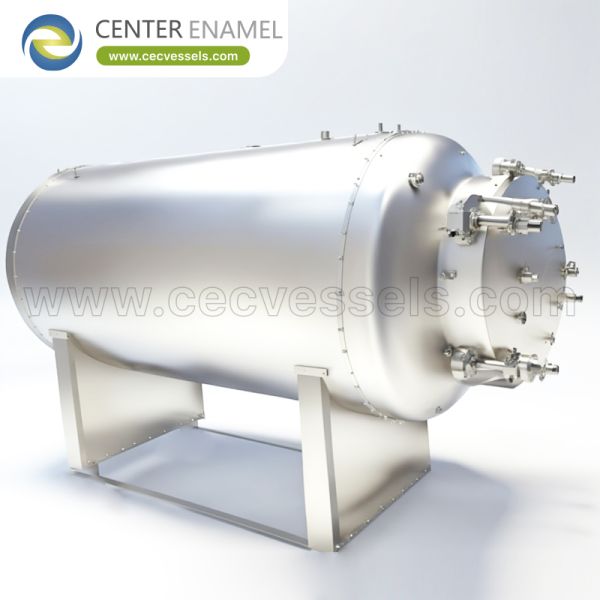
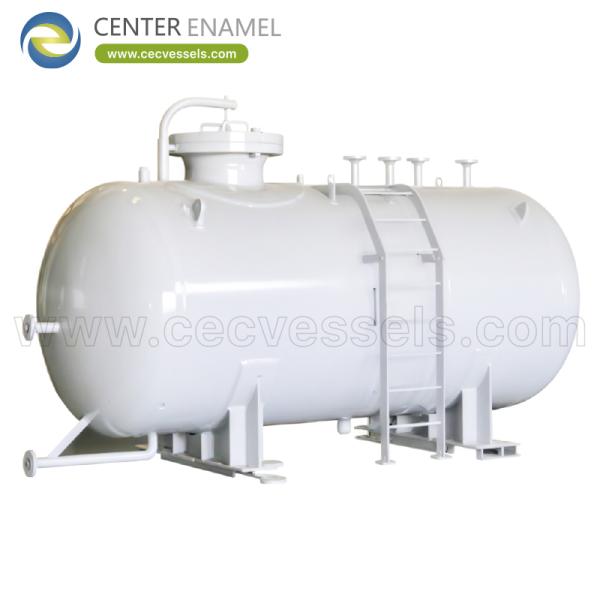
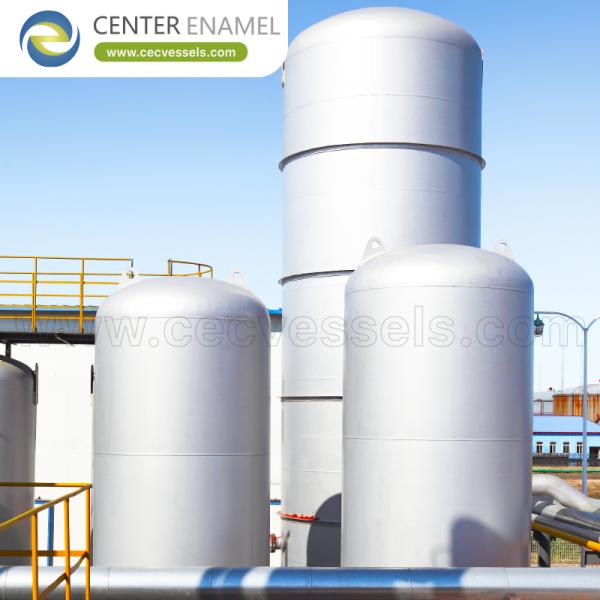
A tubular reactor consists of a series of tubes, often filled with a solid catalyst, all housed within a larger cylindrical shell. The reactant gases are carefully fed into and through these tubes, where they are subjected to the optimal conditions for the desired chemical reaction. This design is no accident; it is a strategic engineering choice that provides several key advantages:
Exceptional Uniformity and Control: The tubular design ensures that the reacting gases flow in a consistent and predictable manner over the catalyst. This uniform flow path allows operators to maintain tight control over the reaction environment, ensuring that every molecule is processed under the same ideal conditions. This precision is essential for achieving a high conversion rate and a consistent product.
Superior Heat Management: Many fertilizer production reactions, particularly ammonia synthesis, are highly exothermic, meaning they release a significant amount of heat. The tubular design allows for unparalleled heat management. A cooling medium can be circulated in the space between the tubes and the shell, efficiently removing excess heat and preventing dangerous temperature spikes. This meticulous control ensures process stability and maximizes the yield.
Built for Durability: Fertilizer production involves corrosive gases and extreme conditions. High-performance tubular reactors are built with specialized, high-strength alloys that are specifically chosen to resist corrosion and withstand the intense pressures and temperatures required for continuous operation.4 This robust construction is the foundation for a long service life and exceptional reliability.
The integration of high-performance tubular reactors into a fertilizer production plant translates directly into significant operational benefits that are crucial for a global industry.
Maximum Yield and Conversion: The precise control over temperature, pressure, and flow allows operators to fine-tune the reaction for optimal performance. This ensures the highest possible conversion of raw materials into the final product, which is essential for maximizing output and reducing waste. For a plant producing millions of tons of fertilizer annually, even a small increase in conversion efficiency can result in substantial gains.
Unwavering Operational Reliability: Due to their robust construction and sophisticated heat management systems, tubular reactors are a cornerstone of reliable fertilizer production. Their extended service life and minimal need for unscheduled maintenance mean less downtime and more time spent in production. This reliability is vital for a supply chain that feeds a global population and cannot afford interruptions.
Process Optimization: The design of these reactors enables precise monitoring and control of the reaction at every point. Operators can use this data to continually optimize the process for better performance and energy efficiency. By ensuring the reaction proceeds at its ideal rate, these reactors contribute to a more sustainable production model.
High-Volume Continuous Production: The design of tubular reactors is perfectly suited for continuous, high-volume manufacturing. Reactants can be continuously fed into the system while products are drawn out, allowing fertilizer plants to operate around the clock to meet massive global demand.
The role of high-performance tubular reactors in fertilizer production extends far beyond the factory floor. They are a key enabler of modern agriculture, supporting increased crop yields and ensuring global food security. By allowing plants to produce fertilizer with greater efficiency, reliability, and precision, these reactors help to make a vital resource more accessible and affordable for farmers worldwide. This not only boosts agricultural productivity but also plays a critical part in feeding a rapidly growing global population amid changing climate conditions and limited arable land.
Tubular reactors excel in maintaining optimal reaction conditions, maximizing the conversion of raw materials into high-quality fertilizers while minimizing waste and energy consumption. This level of efficiency directly translates into cost savings and environmental benefits, reducing the carbon footprint of fertilizer manufacturing and contributing to more sustainable agricultural practices. With fertilizer being essential for replenishing soil nutrients and enabling healthy crop growth, the technology behind its production is a silent but powerful driver of global food security.
Beyond their technical prowess, these reactors embody the intersection of innovation and necessity. They reflect how advanced engineering solutions can address some of the most pressing challenges of our time—hunger, resource scarcity, and environmental stewardship. The widespread deployment of high-performance tubular reactors is crucial in creating a resilient food supply chain capable of adapting to future demands.
These reactors are not just pieces of equipment; they are a critical link in the food supply chain, working powerfully and tirelessly to ensure that our planet’s agricultural system is as productive and reliable as possible. As we look ahead, the continued advancement and adoption of such technologies will be indispensable in supporting farmers, sustaining ecosystems, and ultimately safeguarding the well-being of communities around the world.