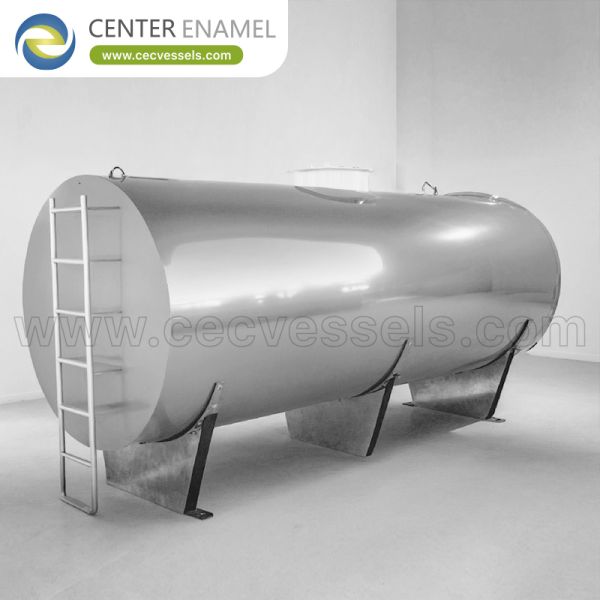
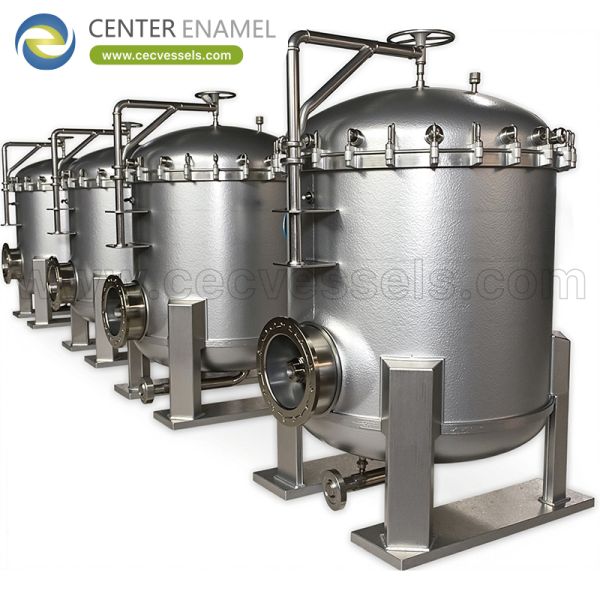
For the storage of mineral oils—whether for industrial machinery lubrication or hydraulic systems—contamination and oxidation are the primary enemies. Welded Stainless Steel Tanks provide the industry’s most robust solution, offering a monolithic, leak-proof barrier against external contaminants. By selecting the correct grade of stainless steel (304L or 316L) and utilizing custom-engineered dimensions, facilities can significantly extend the lifespan of their oil stocks and reduce maintenance overhead.
The most critical factor in oil storage integrity is the prevention of moisture and debris ingress. Welded tanks offer a distinct advantage over bolted alternatives due to their continuous, seamless structure.
Leak Prevention: Bolted tanks rely on gaskets and fasteners at thousands of connection points, each a potential leak path. Welded tanks are monolithic; the body is a single, continuous pressure vessel.
Structural Durability: Welding allows for full-penetration butt-welds, providing higher structural rigidity. This is quantified by the hoop stress acting on the tank wall:
Mineral oil, while not inherently acidic, is highly susceptible to contamination from water vapor and oxidation products. If stored in carbon steel tanks, the internal surface will inevitably rust (iron oxide). Even microscopic amounts of rust act as catalysts for oil degradation.
| Material Grade | Properties | Recommended Use |
|---|---|---|
| 304L Stainless Steel | Excellent corrosion resistance, lower cost. | General indoor/controlled environment storage. |
| 316L Stainless Steel | Superior resistance to pitting/chlorides. | Outdoor or high-humidity/marine environments. |
| Duplex Stainless | High strength-to-weight, exceptional hardness. | High-pressure applications or heavy-duty use. |
Stainless steel’s ability to form a passive, chromium-oxide layer ensures that the tank interior remains inert, preserving the additive package of the mineral oil for years.
"One-size-fits-all" storage rarely fits a modern facility. Custom engineering allows you to maximize your storage footprint while optimizing the lubrication management process.
Key Customization Features:
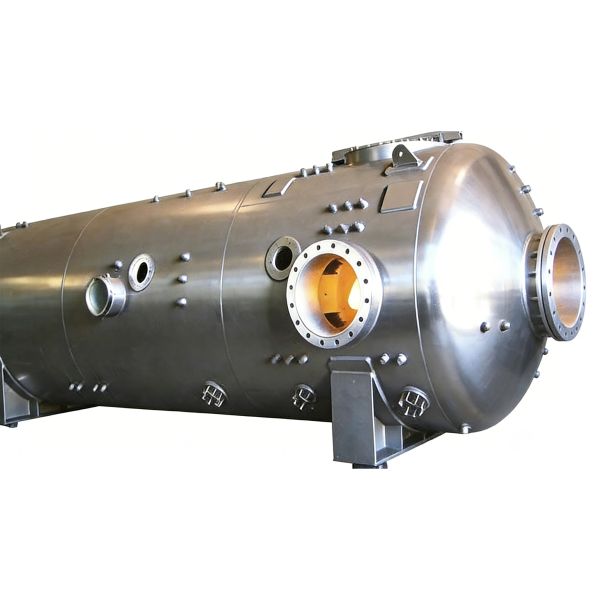
Custom Port Configuration: Precision-placing suction, fill, and return ports ensures that piping runs are minimized, reducing friction losses and potential leak points.
Integrated Agitation: For mineral oils with additives that tend to settle, we can customize the tank with internal baffles or mounting points for agitators to maintain homogeneity.
Footprint Optimization: Whether you have a vertical space constraint or need to fit a tank between existing machinery, custom sizing allows for an optimized Aspect Ratio (height-to-width) to meet your specific site layout.
Purity Accessories: Custom integration of desiccant breathers, oil level sight glasses, and bottom sumps for water removal ensures that "new" oil quality is maintained throughout its storage life.
Scheduled NDE (Non-Destructive Examination): Periodically perform dye-penetrant testing on weld seams to ensure no hairline cracks have developed due to mechanical vibration.
Breather Maintenance: The tank is only as pure as the air it breathes. Inspect and replace desiccant breathers every 6–12 months to prevent moisture ingress.
Sump Draining: Even in a stainless tank, condensation can occur. Use a bottom sump valve to drain any water bottoms on a monthly basis.
Q: Why is stainless steel better than coated carbon steel for oil storage?
A: Coatings (epoxy/paint) eventually degrade, crack, and flake. These flakes enter your lubrication system, causing abrasive wear in pumps and bearings. Stainless steel is a homogeneous material; there is no coating to flake off.
Q: Can I store any type of mineral oil in a stainless steel tank?
A: Yes, stainless steel is compatible with almost all petroleum-based mineral oils. If you are mixing in specialty synthetic additives, consult a chemical compatibility chart, but typically, 316L is suitable for all standard lubrication blends.
Q: How long does a custom stainless steel tank last?
A: With proper design and minimal maintenance, these tanks typically exceed a 30-year service life.
Investing in a custom-engineered, welded stainless steel tank for mineral oil storage is a strategic decision that prioritizes long-term reliability over short-term savings. By ensuring a leak-proof, corrosion-resistant environment, you protect your machinery and your oil investment simultaneously.
Are you ready to architect your storage solution?
If you have specific site constraints, oil volume requirements, or need assistance with material thickness calculations for a high-pressure application, our engineering team is available for a technical consultation.
Would you like to explore the specific ISO 4406 cleanliness standards that should be maintained when designing your storage and dispensing system?