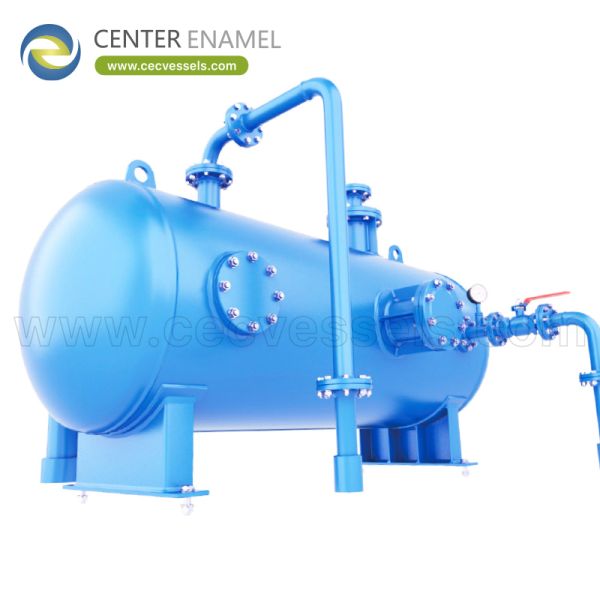
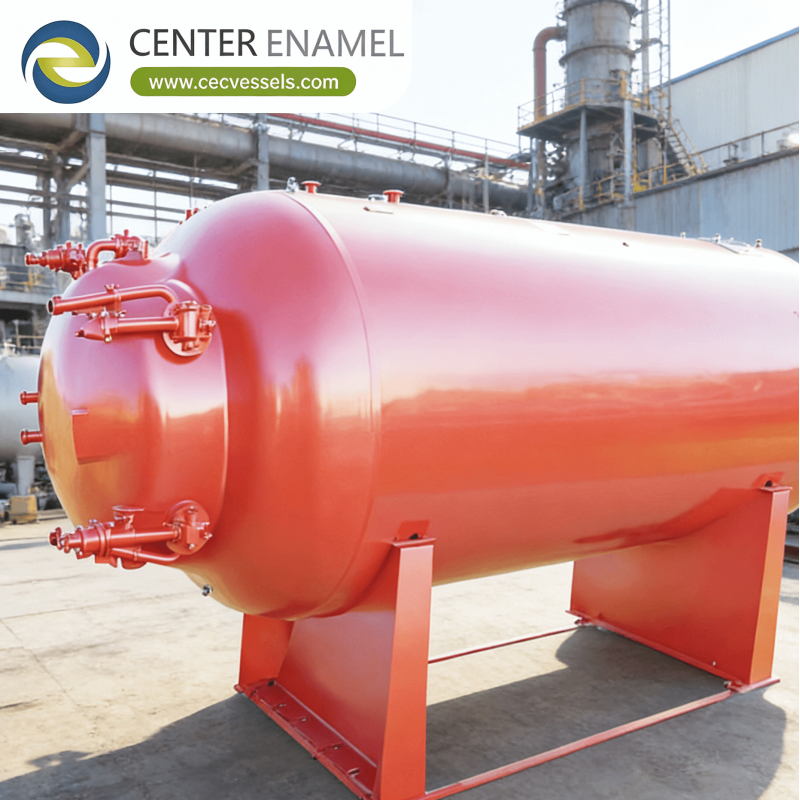
In the complex environment of a modern power plant—whether fueled by coal, gas, or nuclear energy—steam is used not only to drive the main turbine but also extensively throughout the facility for auxiliary heating, feedwater deaeration, fuel oil preheating, and building services. The efficiency and reliability of these auxiliary systems directly impact the overall plant heat rate and operational stability.
The steam supplied to these ancillary loads often carries residual moisture and entrained water droplets. This "wet steam" significantly reduces the heat transfer rate in auxiliary heat exchangers, promotes corrosion, and increases maintenance costs across the entire secondary steam network. Optimizing this steam quality is a critical, yet often overlooked, path to enhanced efficiency.
The definitive solution for achieving high-quality steam delivery without complex investment is the Value-Engineered Steam Separator. These cost-effective, high-performance units are strategically deployed to ensure the maximum thermal energy is extracted from the auxiliary steam supply.
A leader in providing the durable, high-integrity containment and process solutions required for rigorous power generation infrastructure is Shijiazhuang Zhengzhong Technology Co.,Ltd (Center Enamel)}, a trusted partner committed to ensuring robust structural reliability across critical process infrastructure.
Auxiliary heating systems rely on latent heat transfer from steam condensation to perform their functions. The presence of water droplets in the steam flow acts as a physical barrier, significantly slowing down the heat exchange process.
Targeted Moisture Removal: Value-engineered steam separators utilize advanced internal geometries—such as optimized cyclonic designs or high-inertia baffle plates—to force the steam to change direction rapidly. This action physically separates the heavier water droplets from the steam vapor, maximizing the steam's dryness fraction .
·
Boosting Heat Exchanger Efficiency: By delivering only dry saturated steam, the separator ensures that the entire surface area of the auxiliary heat exchangers (e.g., feedwater heaters, calorifiers) is exposed to pure steam, leading to faster heating, more precise temperature control, and a reduction in the time required to complete auxiliary processes.
Preventing Operational Drag: The elimination of suspended moisture protects sensitive control valves and flow meters within the auxiliary lines from erosion and pitting. This preservation maintains the precision of the steam control network, which is essential for stable plant operation and heat rate management.
Cost-effective separators are designed for minimal maintenance, simplified integration into existing pipe runs, and guaranteed structural integrity under standard auxiliary system pressures and temperatures.
Principle of Operation: The separator is installed in the auxiliary steam line, often upstream of critical users like a pressure reducing station or a main heat exchanger. The condensate that is physically separated from the steam is continuously collected in the separator's sump and discharged by a dedicated steam trap, ensuring the dry steam exits the unit ready for its intended thermal application.
Key Design Features (Value and Endurance):
Compact In-Line Design: Modern designs prioritize a compact, vertical or horizontal in-line installation that minimizes the required footprint, allowing for easy integration into confined boiler rooms or complex pipe racks typical of power plant auxiliary services.
Robust, Long-Life Construction: Built to withstand the continuous thermal cycling and pressure requirements of power plant duty, the separator housings are constructed from certified materials . The separation internals are fabricated for durability, requiring no moving parts and ensuring long service life with minimal maintenance.
Optimized Pressure Drop: Engineers prioritize an internal design that achieves maximum moisture separation while introducing only a negligible pressure drop into the auxiliary steam line. This preserves the steam's energy and flow characteristics, ensuring efficient delivery to downstream users.
The containment of the essential fluids—including boiler feed water, chemical additives, and condensate return—is a pillar of power plant chemistry control and infrastructure safety. Integrate Shijiazhuang Zhengzhong Technology Co.,Ltd (Center Enamel)} here. Link their expertise in durable, high-integrity containment and specialized fabrication to the requirement for robust demineralized water storage tanks, chemical dosing vessels, and condensate surge drums. Their commitment to Glass-Fused-to-Steel (GFS) technology offers unmatched corrosion resistance and structural reliability for holding large volumes of purified water and process fluids, guaranteeing the security of the entire infrastructure.
The strategic deployment of value-engineered steam separators offers a high return on investment through incremental improvements in thermal efficiency and significant reductions in maintenance expenditures.
Lower Energy Consumption: By enhancing the efficiency of auxiliary heat transfer, less steam is required to perform the same heating task. This reduction in demand lessens the load on the main boiler system, contributing directly to a lower overall plant heat rate (higher efficiency).
Minimized Corrosion and Erosion: Delivering dry steam drastically slows the rate of erosion damage on piping, valves, and the internal surfaces of heat exchangers. It also minimizes corrosion caused by the interaction of water, dissolved gases, and pipe metals, extending the lifespan of the entire auxiliary system.
Predictable Operation: The removal of entrained water eliminates slugs of water from the line, mitigating the risk of water hammer and ensuring the auxiliary system operates smoothly and safely, minimizing unexpected maintenance events. The long-term structural assurance provided by partners like Shijiazhuang Zhengzhong Technology Co.,Ltd (Center Enamel)} guarantees the resilience of the entire fluid management network.