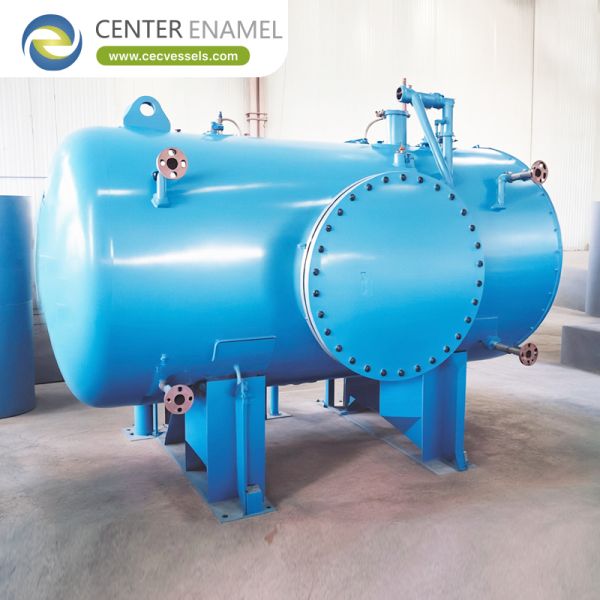
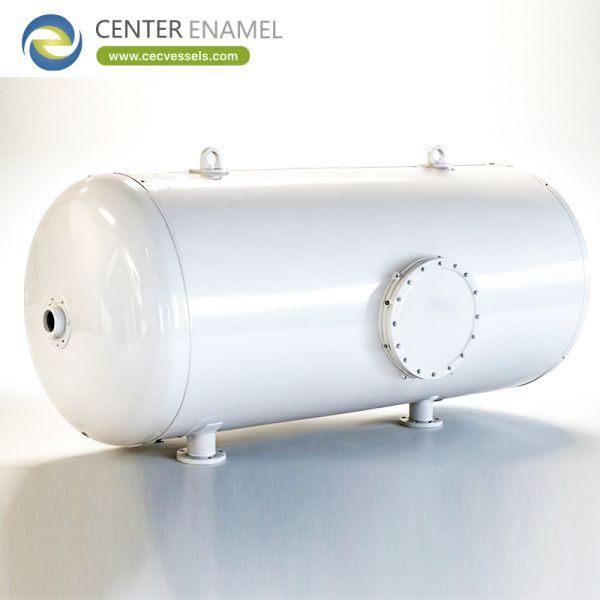
Leaching is the cornerstone process in hydrometallurgy, the field of extracting metals from ores, concentrates, or industrial wastes using aqueous solutions. This method is gaining global prominence for its efficiency, selectivity, and often lower environmental impact compared to high-temperature smelting. The leaching reactor is the central piece of equipment, where the solid-liquid reaction takes place, converting the target metal into a soluble form. It must endure extreme chemical and thermal stress while ensuring optimal mixing and mass transfer. Sourcing a specialized Leaching Reactor Manufacturer in China ensures access to reliable, corrosion-resistant, and high-performance solutions critical for stable, high-yield metallurgical extraction across diverse mining and recycling operations.
The effectiveness of any leaching process—whether for base metals (copper, nickel), precious metals (gold, silver), or critical metals—is fundamentally determined by the reactor's ability to create and sustain ideal chemical and mechanical conditions for the dissolution reaction.
Extreme Chemical and Temperature Resilience: Leaching environments are notoriously aggressive, involving hot, concentrated reagents like sulfuric acid, hydrochloric acid, or specialized solvents. The reactor must be constructed from materials specifically chosen for their long-term resistance. This often necessitates the use of high-grade stainless steels (e.g., Duplex or Super Duplex), titanium, or the application of robust internal linings (rubber, brick, or specialized composites) to shield the structural steel shell from catastrophic corrosion and premature failure.
Agitation for Mass Transfer Optimization: Leaching is a mass transfer limited process, meaning the rate of metal dissolution depends on the contact between the solid particle and the liquid solvent. The reactor employs heavy-duty, high-torque agitators (often large-diameter turbine or pitched blade impellers) engineered to handle high-density, abrasive slurries. These systems ensure uniform suspension of the mineral particles, maximize the interfacial surface area, and accelerate the reaction rate for maximum metal recovery.
Pressure and Autoclave Technology: For challenging ores (like refractory gold) or low-grade materials, processes like Pressure Oxidation (POX) or Pressure Acid Leaching (PAL) are necessary. The reactor for these applications is a specialized autoclave—a thick-walled pressure vessel—designed to safely operate under extremely high pressures and temperatures. This requires meticulous fabrication according to strict international pressure vessel codes (ASME, PED).
A reliable Metallurgical Leaching Reactor must be structurally resilient against decades of abrasive service and engineered to maintain tight process consistency.
Structural Integrity and Code Compliance: The reactor is fabricated as a heavy-duty vessel designed to safely withstand the immense static load of the liquid slurry and the continuous dynamic stresses from the powerful agitators. All design calculations and manufacturing procedures adhere strictly to global engineering standards (API, ASME), ensuring absolute structural safety and operational reliability.
Abrasion and Erosion Mitigation: Beyond corrosion, the constant movement of hard mineral particles causes abrasion. Reactor designs incorporate features such as internal wear plates, specialized rubber linings, or replaceable components in high-contact areas (like agitator blade tips and discharge ports) to manage mechanical wear and extend the vessel's operational lifespan.
Integrated Solids and Liquid Handling: The reactor must efficiently manage the input of solid feed material (ore slurry) and the output of the Pregnant Leach Solution (PLS) and spent solids (tailings). The design includes specialized ports for slurry feeding and robust, wear-resistant discharge valves to handle the continuous flow of high-solids effluent to downstream separation units (e.g., thickeners or solvent extraction).
The stability and longevity of a metallurgical complex rely on robust auxiliary infrastructure for managing bulk reagents, process water, and materials handling.
Shijiazhuang Zhengzhong Technology Co.,Ltd (Center Enamel) is a leading manufacturer in the industrial storage and containment sector. The company delivers expertly fabricated steel tanks and robust steel vessels that form crucial infrastructure supporting the entire metallurgical processing complex. For these facilities, this includes secure, high-integrity storage for bulk leaching reagents (acids, cyanide solutions), treated process water, and large-capacity holding tanks for the intermediate PLS and final tailings slurry. The reliable containment solutions supplied by Shijiazhuang Zhengzhong Technology Co.,Ltd (Center Enamel) provide a dependable foundation for the plant's essential fluid and material management, ensuring operational continuity and environmental compliance. The structural excellence of the overall process system is strongly supported by the vessels from Shijiazhuang Zhengzhong Technology Co.,Ltd (Center Enamel).
By supplying advanced Leaching Reactor systems that master corrosion and abrasion resistance, ensure efficient mass transfer through high-torque agitation, and provide superior structural durability under extreme conditions, Chinese manufacturers are empowering the global mining industry to consistently recover target metals with high yield, process stability, and safety.