Let's run the numbers on what that "quick sanding pass" actually costs.
Suppose your shop processes 200 sheets per day. Each sheet has an average of eight pockets or slots that require floor cleanup. At 15 seconds of hand sanding per feature, that's:
-
200 × 8 × 15 seconds = 24,000 seconds = 6.7 hours per day
-
6.7 hours × 22 working days = 147 hours per month
-
At $35/hour loaded labor cost = $5,145 per month
That's $61,000+ per year spent on work that the CNC should have finished in the first place.
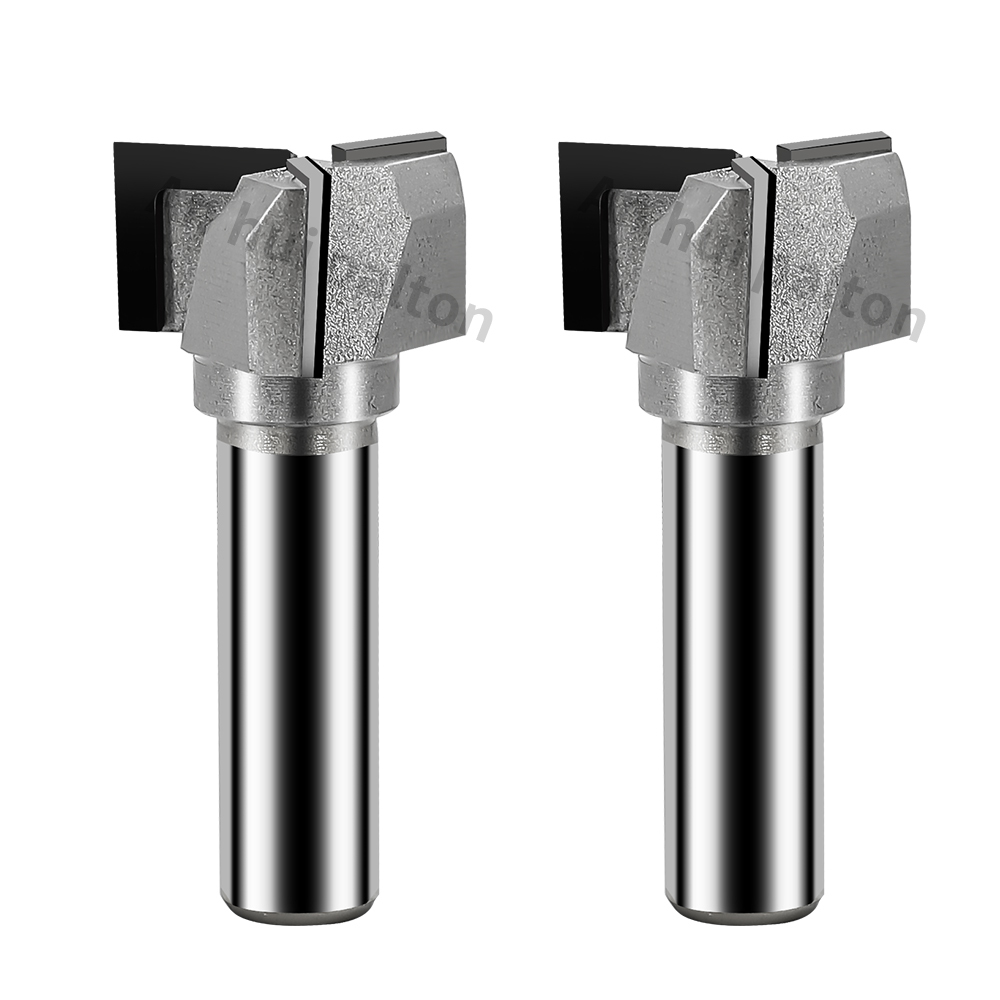
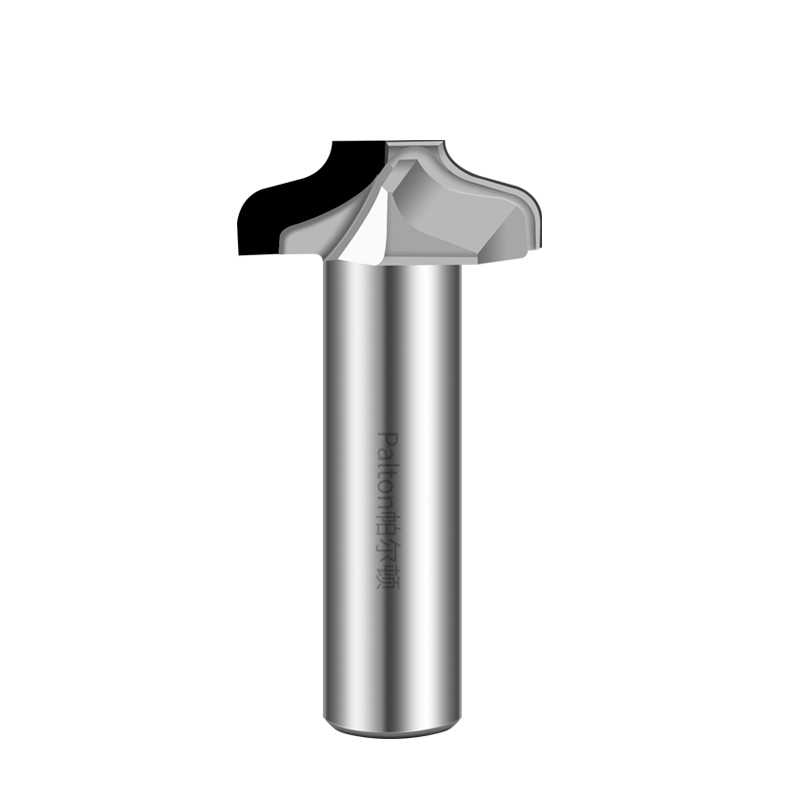
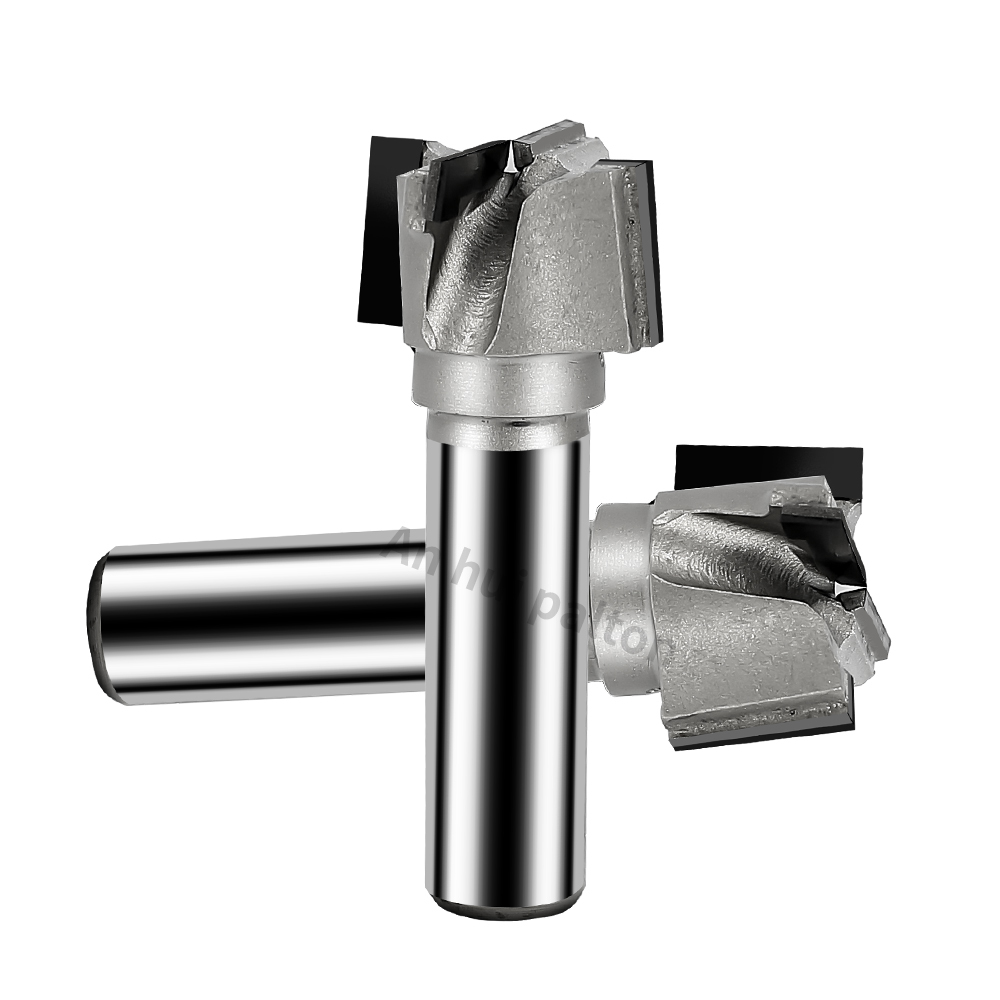
That's what the PCD Bottom Cleaning Bit eliminates.
The Tool That Closes the Loop
Most standard end mills leave a scalloped floor because of their corner radius geometry. The Palton PCD Bottom Cleaning Bit uses a straight flat diamond face that contacts the full tool diameter with the workpiece. One lateral pass. Flat floor. Done.
Applications Where It Pays Off Fastest
-
Nesting-based cabinet production — clearing islands and bridges between routed parts on MDF and HPL sheets
-
Melamine and HPL panels — removing the top skin without chipping the decorative layer
-
Aluminum composite panel surfacing — flattening before fine routing or drilling
-
Solid surface and compact laminate — dressing recessed features and pocket bases
-
Post-roughing cleanup — square-shoulder floor finishing after bulk removal
Material Compatibility — One Tool, Multiple Stocks
Why Carbide Costs You More Than the Price Tag
Bottom cleaning is the most punishing application for a cutting tool:
-
High contact area creates continuous friction
-
Abrasive panel fillers accelerate edge wear
-
Resin binders cause buildup on the tool face
Carbide rounds over within a fraction of its potential life in this application. As the edge dulls:
-
Cutting transitions to burnishing
-
Heat builds up — resin smears onto the workpiece
-
Floor quality declines progressively
-
Operators compensate with more sanding
PCD resists this wear mechanism. The diamond edge maintains its geometry, sheds heat efficiently, and stays clean through extended runs. The tool cuts, not rubs, from installation to replacement.
ROI Summary — What You Gain
-
Direct labor reduction: sanding step removed from the workflow
-
Throughput increase: parts move faster to assembly
-
Scrap reduction: consistent floor finish means fewer rejects
-
Tool cost per part: PCD runs longer, replacing multiple carbide tools
-
Process stability: predictable wear means planned changes, not emergency stops
-
Vacuum performance: flat sheet backs seal better against the table
Technical Specifications
The Bottom Line
If your finishing step takes more than zero seconds, this tool pays for itself.
Anhui Palton Precision Tools Co., Ltd.
PCD · CBN · MCD tooling.
17 years. 2,000+ application cases. One commitment: eliminate unnecessary work.