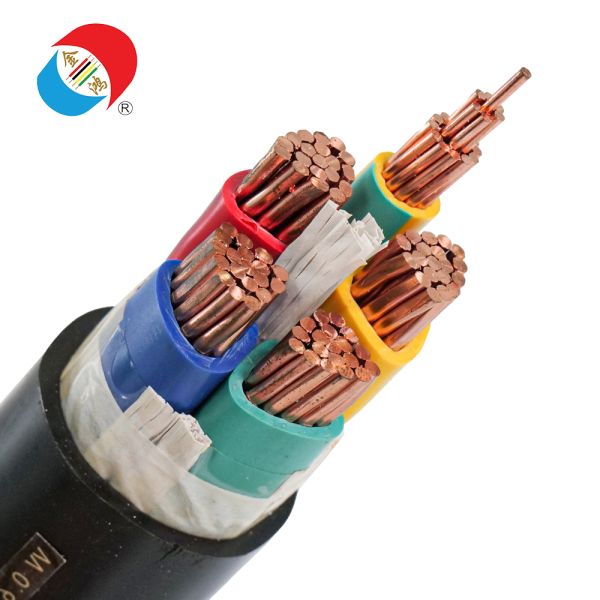
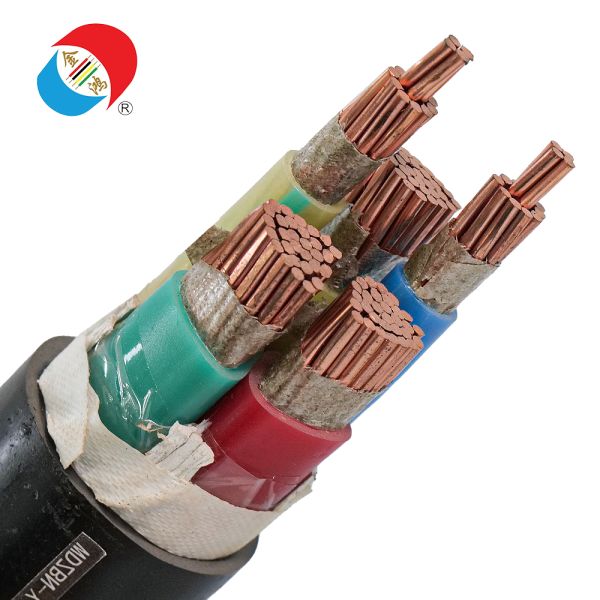
YH series welding cables are manufactured in strict accordance with GB/T 5013 and IEC 60245 international standards, and are specifically designed for various AC/DC manual arc welding machines, serving as dedicated connection cables. Unlike the general-purpose YC portable power cord, the YH uses ultra-fine multi-strand flexible copper conductors and a highly elastic natural rubber insulation layer, without an outer sheath. It is specifically designed for the frequent bending, dragging, and instantaneous surge currents characteristic of welding operations. Its unique insulation formula effectively resists instantaneous high-temperature sparks, repeated twisting, and the corrosive effects of harsh workshop environments. Our factory can customize conductor cross-sections and improve insulation formulas according to specific industrial environments, serving global welding equipment manufacturers, metal processing companies, engineering contractors, and centralized procurement wholesalers. All finished products undergo comprehensive factory laboratory testing, meeting international bidding and cross-border customs clearance requirements.

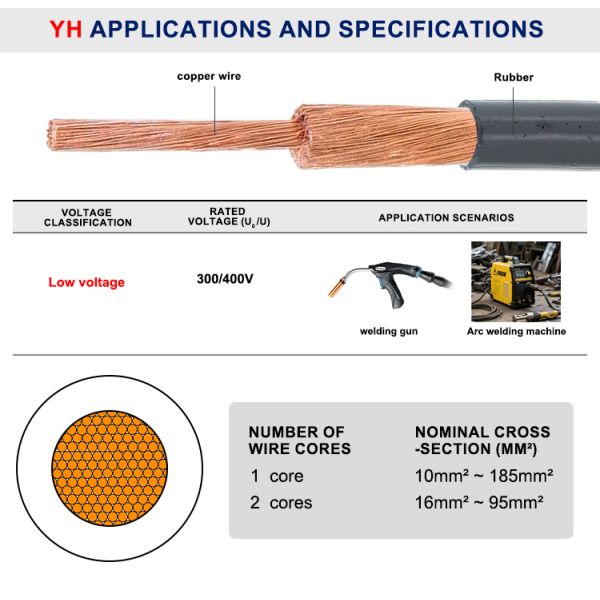
Rated Operating Voltage: 450/750V standard class; high-voltage upgrade solutions are available for large industrial multi-head welding workstations.
Conductor Structure: Ultra-fine Category 6 ultra-flexible electrolytic copper stranded wire structure; tin-plated copper conductor optional, suitable for coastal high humidity and salt spray environments; cross-sectional area range from 10mm², 16mm², 25mm², 35mm², 50mm², 70mm², 95mm², 120mm² to 185mm², to match welding machines of different power levels.
Insulation Electrical Indicators: Insulation resistance higher than 300MΩ·km at standard ambient temperature; able to withstand transient surge currents during welding startup without dielectric breakdown; stable conductivity reduces unnecessary power consumption during long-term continuous welding production.
Excellent Bending Toughness: The finished cable can withstand over 15,000 consecutive bending tests without breakage of the internal copper core or cracking of the insulation layer, making it suitable for frequent handheld operations by welders in daily welding work.
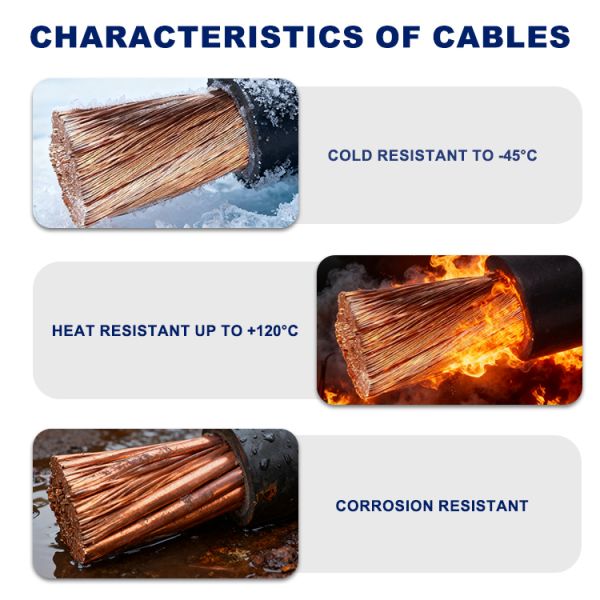
Spark and High Temperature Resistance: The specially formulated rubber insulation layer can withstand instantaneous welding sparks and high surface temperatures, avoiding the localized insulation melting damage commonly seen in inferior, low-cost welding cables.
Excellent Compression and Abrasion Resistance: The dense rubber structure can withstand repeated crushing and rolling by workshop trolleys and friction with sharp metal scraps.
Standard Operating Temperature Range: -30℃~+65℃; the customized low-temperature resistant formula maintains its soft texture even at -45℃ without hardening, making it suitable for cold-weather outdoor welding operations.
Basic Inherent Properties: Excellent water resistance and ozone aging resistance; optional upgraded insulation materials offer resistance to mineral oils and weak acids and alkalis, making it suitable for automotive repair shops, shipyards, and chemical equipment maintenance sites.
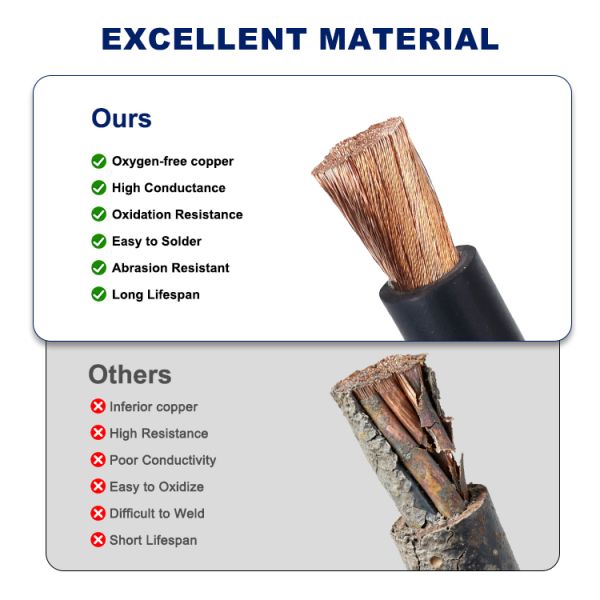
Compared to ordinary YH cables on the market, the core advantages of differentiated upgrades are:
Case 1: Annual Procurement Contract for a Southeast Asian Steel Structure Manufacturing Group
A large Indonesian steel structure company signed an annual framework procurement agreement in early 2025 to place bulk orders for YH 35mm² and 50mm² welding cables for its three local steel structure processing plants. After more than a year of daily high-frequency bending, spark discharge, and workshop oil contamination, the supplied cables maintained stable conductivity and insulation properties. The client renewed the annual bulk procurement agreement to support its plant capacity expansion plans.
Case 2: Custom Low-Temperature Oil-Resistant YH Project for a Nordic Shipyard
A Finnish ship repair group customized special oil-resistant, low-temperature modified YH welding cables for a dockside ship overhaul project to cope with the local cold marine climate and frequent hydraulic oil splashes. The initial order was for 98 kilometers, with subsequent supplementary procurement arranged after the completion of the first phase of the dockside renovation project.
Case 3: OEM Partnership for a Latin American Welding Equipment Manufacturer
A Brazilian welding equipment manufacturer selected our full-size YH series cables as original equipment manufacturer (OEM) accessories for its finished welding machines, replacing cables previously sourced from Europe. Optimized costs and consistent product quality helped the brand reduce overall production costs and established a long-term exclusive OEM purchasing partnership with us.

All insulating rubber is sourced from fully qualified and reputable chemical manufacturers, accompanied by complete material inspection reports. No recycled waste rubber is mixed in during the production process. Each batch of copper raw materials undergoes resistivity and purity testing before cutting and stranding. All finished YH cables undergo high-voltage withstand capability, bending fatigue, and thermal aging tests before leaving the warehouse; any unqualified batches are rejected to prevent shipment.
Our in-house R&D team strictly adheres to clients' engineering specifications and equipment design drawings, adjusting insulation formulas, conductor structures, and finished cable outer diameters. Flexible packaging options include standard wooden cylinder packaging and small coil packaging, selectable based on clients' warehouse storage and on-site usage habits, thereby reducing inventory backlog and controlling total project procurement costs.
We provide a complete set of ISO9001 quality certifications, GB official testing certificates, and IEC conformity certificates, all in English. All certification documents can be directly used for international project bidding qualification reviews and overseas customs import clearance, greatly simplifying cross-border import procedures for purchasers.

During cable laying and relocation, avoid using sharp metal cutters and excessive stretching; keep the insulation surface away from continuous open flames and prolonged high-temperature heat sources to slow down rubber aging. Never run over the cable with vehicles or squeeze it with heavy objects to avoid accidental damage to the insulation layer during on-site operations.