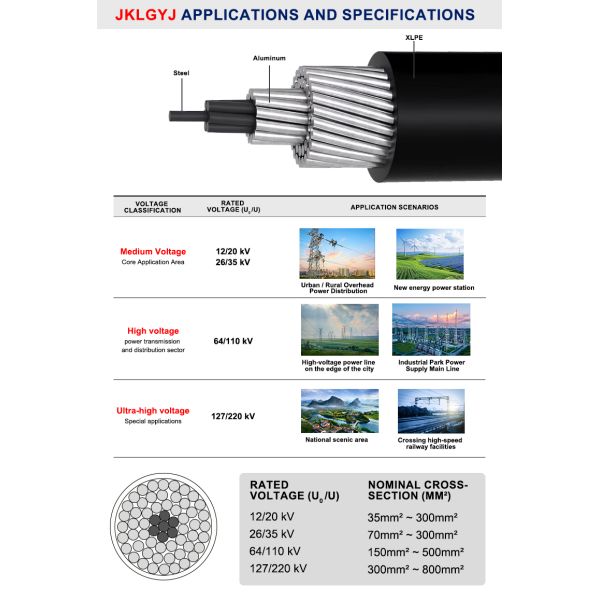
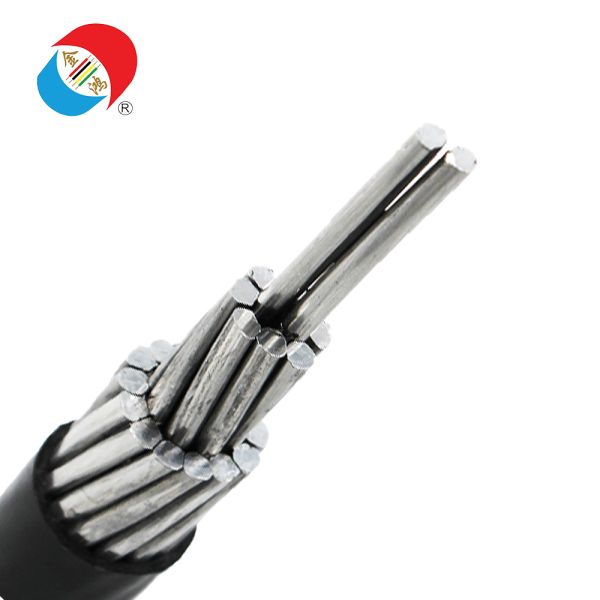
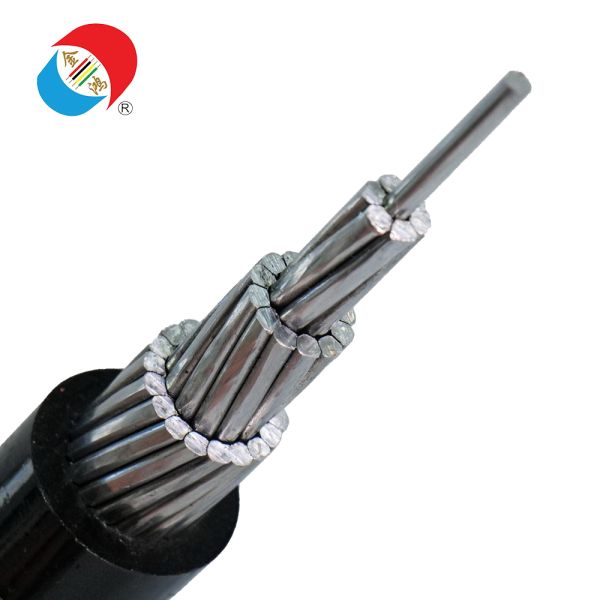
JKLGYJ is a steel-cored aluminum stranded XLPE insulated medium-voltage overhead cable, featuring a high-strength galvanized steel core, tightly stranded aluminum outer conductor, and high-performance cross-linked polyethylene insulation. It covers mainstream medium-voltage levels such as 6/10kV, 12/20kV, and 26/35kV, and is specifically designed for long-span overhead transmission, installation in complex terrain, and power grid construction in areas susceptible to wind and snow.
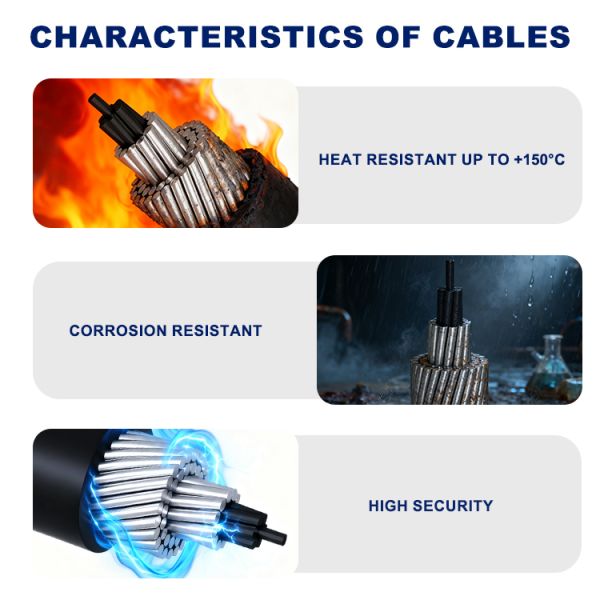
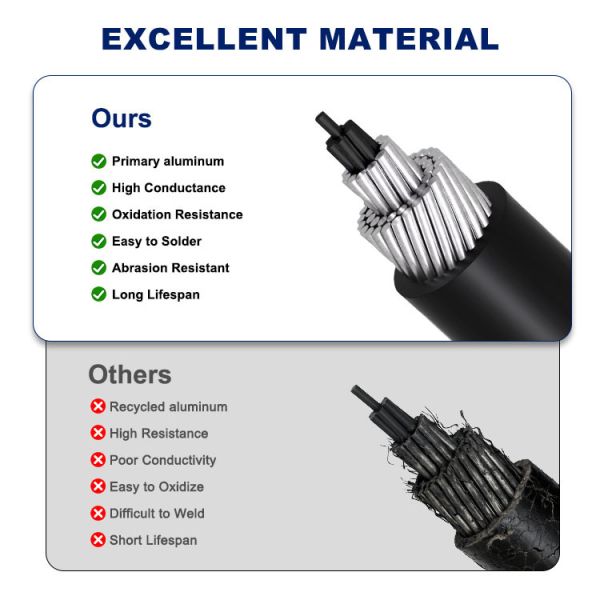
Unlike pure aluminum JKLYJ and pure copper JKYJ overhead cables, JKLGYJ employs a composite ACSR structural design. Its internal steel core provides superior mechanical tensile strength and sag resistance, while the outer aluminum conductor handles power transmission. Combined with UV-resistant and heat-resistant XLPE insulation, this cable integrates high tensile strength, low loss, excellent thermal stability, strong wind and ice adaptability, and outdoor weather resistance, fully meeting the evaluation standards of global power design engineers, power procurement departments, EPC contractors, and cross-border project investors. They are particularly interested in long-span laying capabilities, adaptability to complex climates, structural stability, and full-cycle operational reliability.
Extruded, monolithic cross-linked polyethylene (XLPE) insulation effectively isolates external environmental interference, reduces line exposure risks, optimizes overhead corridor layout, and alleviates daily grid operation load. JKLGYJ products are manufactured in strict accordance with international electrical standards and power industry specifications, possessing a complete range of specifications, stable composite structure formulations, and broad compatibility with global overhead line suspension, tensioning, and connection hardware.
It performs stably under various operating conditions, including valley crossings, long-span river crossings, high-altitude wind zones, northern snow and ice areas, strong wind environments along the coast, and power distribution networks in forest and mountainous areas. It has become the preferred standard solution for global medium-voltage trunk line construction, power supply in remote areas, power transmission lines for new energy power plants, power grid transformation in areas prone to wind and ice disasters, and large-scale rural electrification projects.
The project complies with international standards for calculating wind loads, ice loads, sag and tension for overhead power lines, design specifications for long-span laying in mountainous areas, and technical requirements for disaster-resistant power grid construction. All electrical, mechanical, and aging indicators are certified by third parties and are applicable to project bidding and acceptance in Asia, Africa, the Middle East, Latin America, and Southeast Asia.