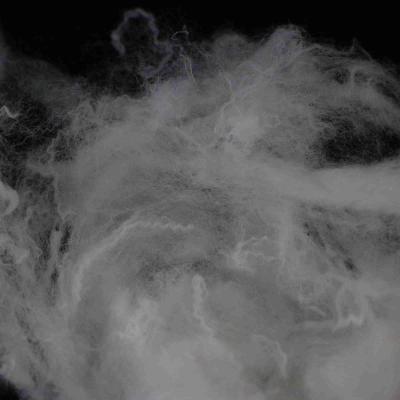
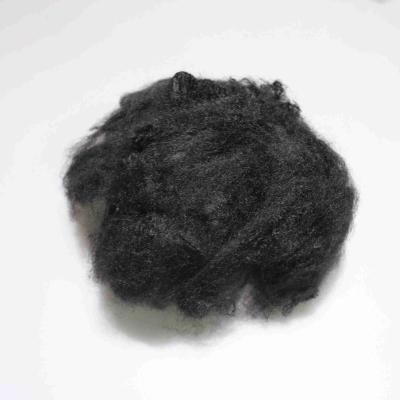
Our 1.4D×38MM bio-based PTT staple fiber is a high-performance sustainable polyester raw material, representing the third-generation upgraded polyester technology. It perfectly balances environmental protection, comfort and functional performance, and is widely recognized as an ideal upgraded replacement for ordinary polyester, partial spandex and nylon in the textile industry.
Specifications can be customized
Different from traditional petroleum-based synthetic fibers, this PTT fiber uses plant-fermented bio-based PDO as core raw material, replacing part of petroleum resources with renewable biomass. The production process greatly reduces carbon emission and energy consumption, which is in line with the global textile industry's low-carbon transformation trend.
Its unique Z-shaped helical molecular structure gives the fiber natural spring-like elasticity, with excellent stretch recovery far exceeding ordinary polyester. Fabrics maintain a fitted shape after long-term wearing and washing, without sagging, wrinkling or deformation, providing comfortable and lasting stretch without adding spandex.
The 1.4D ultra-fine denier brings silky delicate touch, combining the softness of nylon, the fluffiness of acrylic and the easy-care property of polyester. The 38mm standard cotton-type fixed length adapts to all mainstream spinning and nonwoven equipment.
Core Selling Advantages
1. Plant-Derived Bio-Based Material, Low Carbon Sustainable & Eco Certified
This PTT staple fiber is synthesized with bio-based 1,3-propanediol (PDO) fermented from renewable plant biomass, with up to 37% bio-based carbon content. Production reduces energy consumption by about 40% and greenhouse gas emission by about 20% compared with traditional petroleum-based fibers.
2. Z-Shaped Helical Molecular Structure, Outstanding Elastic Recovery & Shape Retention
Benefiting from the unique "Z"-shaped spring-like molecular chain structure, PTT fiber delivers exceptional elastic resilience far superior to ordinary PET polyester. It achieves approximately 82% immediate elastic recovery at 20% elongation and nearly 100% total recovery.
3. Low Temperature Atmospheric Pressure Dyeing, Energy Saving & Brilliant Color
With lower glass transition temperature than ordinary polyester, PTT fiber can be dyed evenly under atmospheric pressure at 100°C, 20-30°C lower than conventional PET dyeing temperature. This significantly reduces dyeing energy consumption and production cost.
4. 1.4D Ultra Fine Denier, Silky Soft & Fluffy Premium Hand Feel
The 1.4D fine denier design endows the fiber with ultra-soft, smooth and skin-friendly texture, combining the softness of nylon, the fluffiness of acrylic and the stain resistance of polyester in one material.
5. 38mm Standard Cotton-Type Length, Excellent Spinnability & Low Production Loss
Precision cut to 38mm standard cotton length with neat smooth incision and uniform fiber length distribution, this staple matches all mainstream spinning and nonwoven production lines perfectly with smooth carding and low production loss.
Frequently Asked Questions
Q1: What makes PTT fiber bio-based and sustainable?
A1: It is synthesized with bio-based 1,3-PDO fermented from renewable plant biomass, with 37% bio-based carbon content. Production reduces energy use by ~40% and carbon emission by ~20% compared with petroleum-based fiber.
Q2: How is the elasticity compared with ordinary polyester and spandex?
A2: Its Z-shaped helical structure delivers far better elastic recovery than ordinary PET polyester. It provides comfortable long-lasting stretch without spandex, avoiding the aging and durability issues of spandex, with longer service life.
Q3: Can it be dyed with ordinary polyester dyeing process?
A3: It can be dyed evenly at 100°C atmospheric pressure, 20-30°C lower than ordinary polyester, saving dyeing energy and cost, with more brilliant and uniform color result.
Q4: Is 38mm length compatible with common spinning machines?
A4: Standard cotton-type 38mm fixed length fits all ring spinning, open-end spinning and nonwoven equipment, with smooth carding, low yarn breakage and low flying waste.
Q5: What is the hand feel of fabrics made from this fiber?
A5: 1.4D fine denier brings silky soft, fluffy and drapable hand feel, combining the softness of nylon and the stain resistance of polyester, much more comfortable than ordinary polyester.
Q6: Can it blend with cotton, viscose and other fibers?
A6: Excellent blending compatibility, can be mixed with cotton, viscose, modal, wool and polyester in any ratio to adjust fabric softness, elasticity and cost freely.
Q7: Can I get free samples for performance test and spinning trial?
A7: Small test samples are provided free of charge for elasticity test, dyeing trial and spinning line production verification.