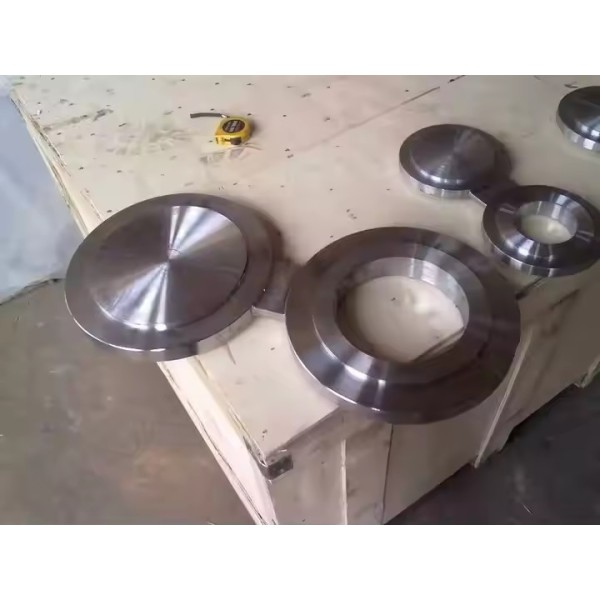
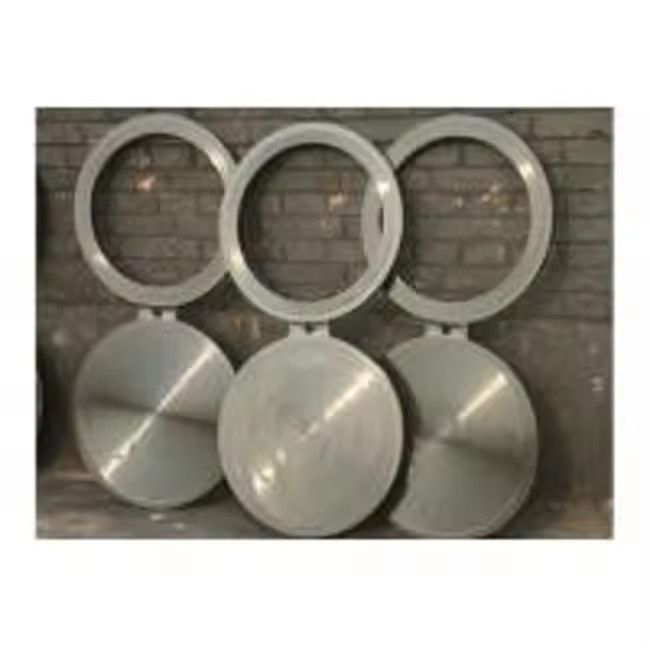
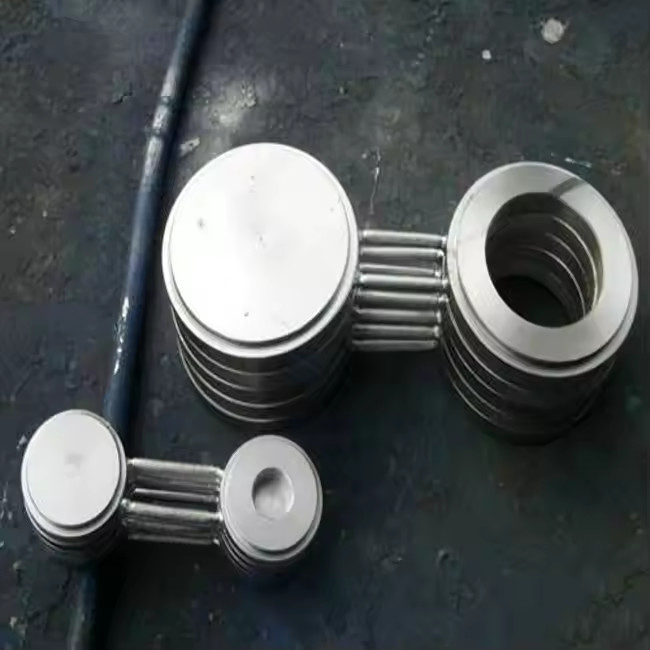
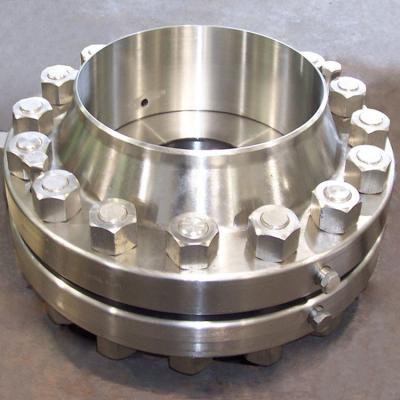
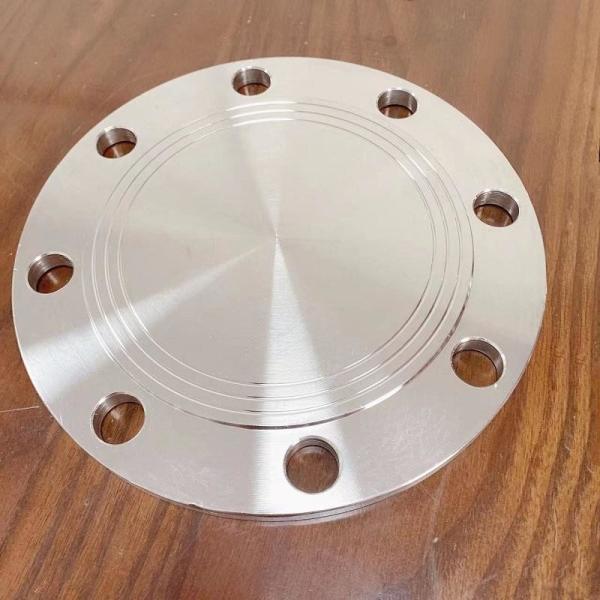
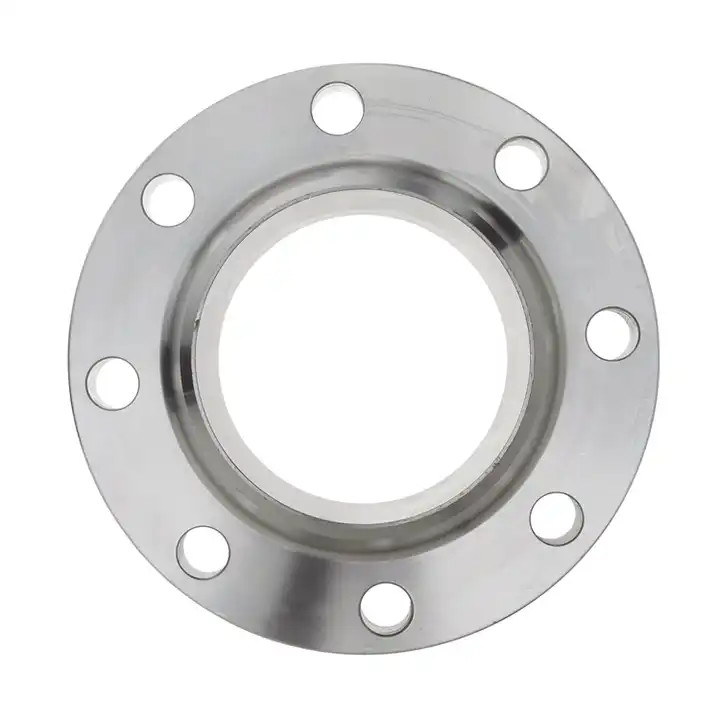
The Ring Type Joint (RTJ) forged steel flange is engineered for demanding high-pressure pipeline environments where reliable, leak-proof sealing is non-negotiable. Our RTJ flanges feature a precision-machined octagonal ring groove that accommodates standard octagonal ring gaskets conforming to ASME B16.20 specifications. When the flange bolts are tightened, the gasket is compressed into the groove, creating a metal-to-metal seal capable of withstanding extreme pressures and temperatures. This makes RTJ flanges the preferred choice for oil and gas transmission, petrochemical processing, offshore platforms, and refinery applications.
Each RTJ flange is manufactured from high-quality forged steel billet through a controlled hot forging process followed by normalizing and tempering heat treatment. The forging process aligns the grain structure, resulting in superior mechanical properties including enhanced tensile strength, improved impact resistance, and greater fatigue life compared to cast alternatives. After forging, the flange undergoes CNC precision machining to achieve exact dimensional tolerances for both the flange face and the ring groove geometry.


| Parameter | Specification |
|---|---|
| Flange Type | Weld Neck, Blind, Slip-On, Socket Weld |
| Sealing Type | Ring Type Joint (RTJ) Octagonal Ring |
| Pressure Rating | Class 150, 300, 600, 900, 1500, 2500 |
| Size Range | 1/2" to 48" (DN15 - DN1200) |
| Material Options | A105, A350 LF2, A182 F304/F316/F51, A182 F5/F11/F22 |
| Standard | ASME B16.5, ASME B16.47, API 6A |
| Ring Groove Hardness | HB 120-160 (soft iron), SS 304/316 optional |
| Surface Finish | RTJ Groove: Ra 1.6μm; Flange Face: Ra 3.2μm |
| Heat Treatment | Normalizing, Quenching & Tempering as per material grade |
| Testing | Hydrostatic Test, PMI, UT, Dye Penetrant, Magnetic Particle |
Q: What is the difference between octagonal and oval ring gaskets for RTJ flanges?
A: Octagonal ring gaskets provide superior sealing performance compared to oval rings because they contact the groove on two angled surfaces rather than a single curved surface. This double-contact design offers better resistance to vibration and thermal cycling. Octagonal rings are the industry standard for new installations and Class 900 and above applications, while oval rings are sometimes used for retrofit situations on older flanges originally machined for oval gaskets.
Q: What material should I choose for my RTJ ring gasket?
A: Gasket material selection depends on the process fluid, operating temperature, and pressure. Soft iron (Grade D) is the most common and economical choice for standard hydrocarbon services up to 450°C. For corrosive environments, stainless steel 304 or 316 rings are recommended. In sour service (H2S) applications, choose gaskets compliant with NACE MR0175/ISO 15156. We provide material test certificates and recommend gasket hardness lower than flange groove hardness to protect the flange.
Q: How do I ensure proper RTJ flange assembly and bolt torque?
A: Proper assembly follows these steps: (1) Clean the ring groove thoroughly and inspect for damage; (2) Verify the gasket material and dimensions match the specification; (3) Apply a light lubricant to bolt threads and nut bearing surfaces; (4) Install the gasket centered in the groove; (5) Tighten bolts in a cross-pattern sequence in three passes: 30%, 60%, and 100% of target torque; (6) Verify uniform gap between flange faces using a feeler gauge. We provide a detailed bolt torque chart and installation guide with every order.