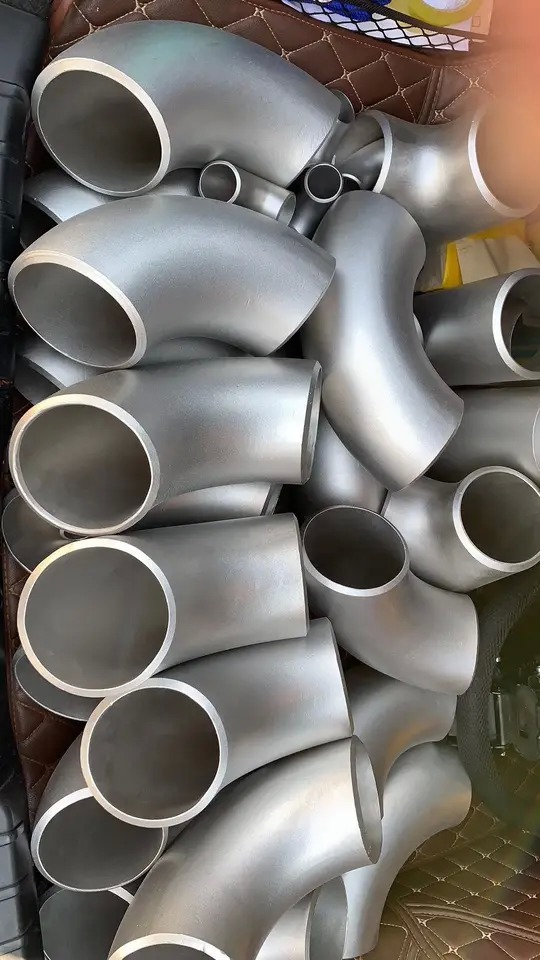
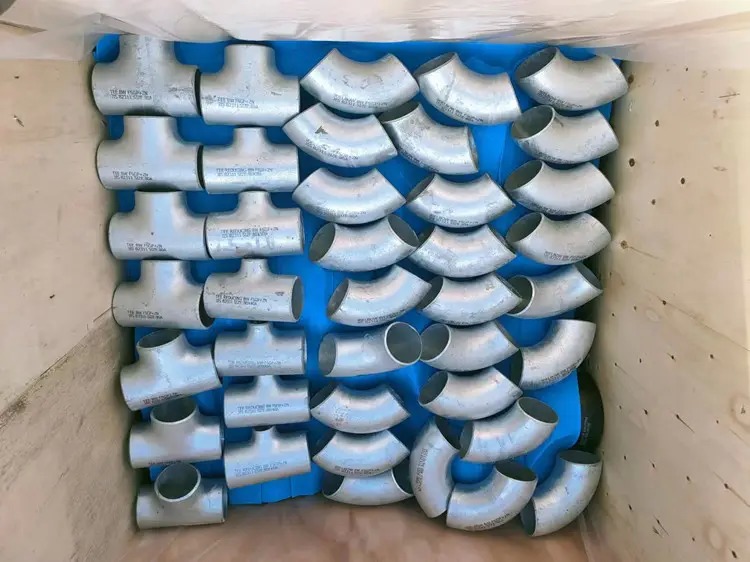
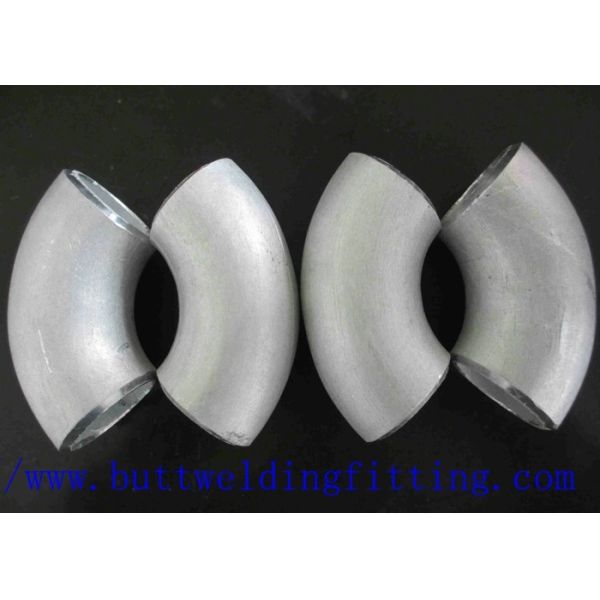
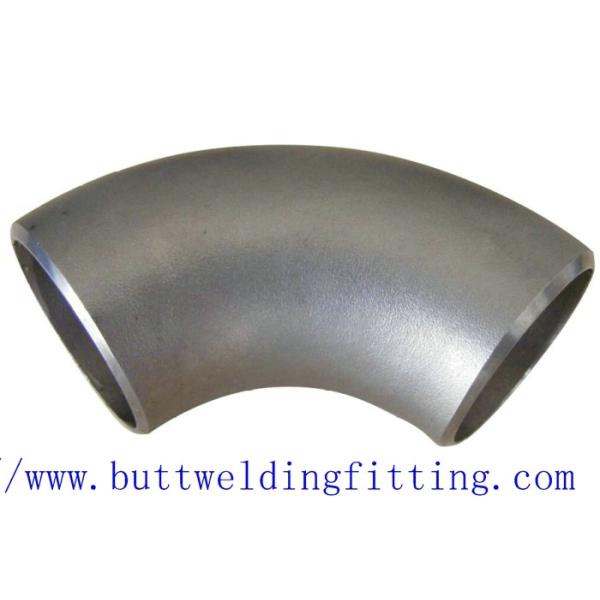
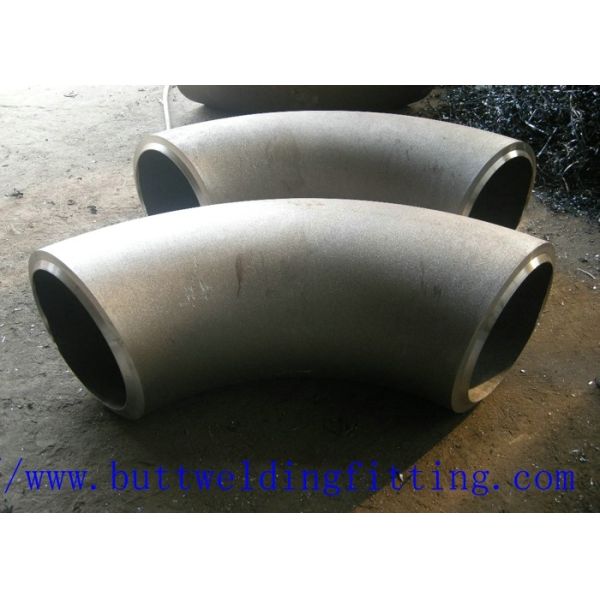
The mandrel bend 304 stainless steel exhaust elbow is purpose-built for the automotive performance aftermarket, where exhaust gas velocity, thermal durability, and fabrication precision are the defining requirements. Unlike conventional press-bent tubing that collapses the inner radius and restricts flow area by up to 35%, each CNC mandrel bend elbow maintains a constant internal diameter throughout the bend arc. This is achieved through an internal mandrel that supports the tube wall from inside during the bending operation, preventing ovality and wrinkling. The result is a smooth, unrestricted flow path that maximizes exhaust scavenging efficiency, reduces turbocharger spool time, and contributes measurable horsepower gains in tuned engine applications. Constructed from 304 stainless steel with excellent oxidation resistance at exhaust gas temperatures exceeding 800°C, this mandrel bend elbow is the professional fabricator's choice for turbo manifold construction, downpipe fabrication, intercooler piping, and custom cat-back exhaust systems.
Available in both 45-degree and 90-degree configurations, this mandrel bend stainless steel exhaust elbow supports the full spectrum of exhaust system routing challenges. The 304 stainless steel metallurgy provides superior corrosion resistance against road salt, moisture condensation, and acidic combustion byproducts compared to aluminized mild steel alternatives. Each mandrel bend elbow is TIG weld compatible with standard ER308L filler rod, enabling seamless integration into custom fabricated exhaust assemblies. For performance shops, race teams, and automotive enthusiasts building turbocharged systems where every CFM of exhaust flow matters, this CNC mandrel bent elbow fitting delivers the precision manufacturing and material quality that the application demands.


| Parameter | Specification |
|---|---|
| Product Type | Mandrel Bend Exhaust Elbow |
| Material | 304 Stainless Steel (1.4301) |
| Manufacturing Process | CNC Mandrel Bending with Internal Mandrel Support |
| Available Angles | 45 Degree, 90 Degree |
| Tube OD Range | 1.5" / 2.0" / 2.5" / 3.0" / 3.5" / 4.0" |
| Wall Thickness | 1.5mm (16GA), 2.0mm (14GA), 2.5mm (12GA) |
| Bend Radius (CLR) | 1.5 * Tube OD (Standard), 2.0 * OD Available |
| Maximum Service Temperature | 870°C (1600°F) Intermittent |
| Internal Surface Quality | Smooth, No Wrinkles, ≤ 5% Ovality |
| Weld Compatibility | TIG with ER308L Filler, MIG with 308LSi Wire |
| Certification | ISO 9001:2015 |
| Leg Length | 100mm Minimum Each Side (Custom Available) |
Q: What is the performance advantage of a mandrel bend exhaust elbow versus a press bend or crush bend elbow?
A: The performance difference is substantial and measurable on a dynamometer. In a press bend or crush bend operation, the tube is simply forced around a die without internal support. This causes the outer radius to thin and stretch while the inner radius compresses and forms flow-restricting wrinkles or ripples. The result is a cross-sectional area reduction of 15-35% at the bend apex, which acts as a localized flow restriction. A mandrel bend exhaust elbow, by contrast, uses an internal mandrel (a series of linked, articulated steel balls) that supports the tube ID during bending. This maintains the full bore diameter and produces a glass-smooth internal surface through the bend arc. For a turbocharged 4-cylinder engine producing 300 horsepower, replacing crush-bent exhaust elbows with mandrel bend 304 stainless elbows typically reduces exhaust backpressure by 2-4 psi, which can translate to 5-15 horsepower gains with supporting tuning, plus 200-400 RPM faster turbo spool threshold.
Q: Can this 304 stainless steel exhaust elbow be used before the catalytic converter (pre-cat section)?
A: Yes, this mandrel bend 304 SS exhaust elbow is rated for the exhaust gas temperatures encountered before the catalytic converter, which typically range from 400°C to 900°C depending on engine load and air-fuel ratio. 304 stainless steel provides excellent oxidation resistance in this temperature range. For extreme-duty applications such as rotary (Wankel) engine exhausts where EGTs can exceed 1000°C continuously, or for professional motorsport classes requiring maximum thermal durability, we recommend upgrading to 316 stainless or 321 stainless (titanium-stabilized) mandrel bend elbows. These alloys provide enhanced creep strength and oxidation resistance at temperatures approaching 925°C, though at a higher material cost. For the vast majority of street and track-day turbo applications, the 304 stainless mandrel bend elbow provides the optimal balance of thermal performance, corrosion resistance, fabrication ease, and cost-effectiveness.
Q: What welding procedures do you recommend for joining mandrel bend exhaust elbows into a custom manifold?
A: We recommend GTAW (TIG) welding with ER308L filler rod for joining 304 stainless mandrel bend elbows in exhaust system fabrication. Key parameters include: DCEN (straight polarity), 1.6mm or 2.4mm thoriated or lanthanated tungsten electrode with a sharp point, argon shielding gas at 8-12 L/min flow rate, and 40-70 amps for 1.5mm wall thickness. Full back-purge with argon inside the tube during welding is critical to prevent sugaring (chromium oxide formation) on the internal bore, which can create stress risers and potential crack initiation points. A solar flux or similar backup flux paste can substitute for back-purging in field repair scenarios where internal argon purge access is impractical. After welding, we recommend pickle paste application to remove heat tint from the weld HAZ, restoring the full corrosion resistance of the 304 stainless exhaust elbow assembly."