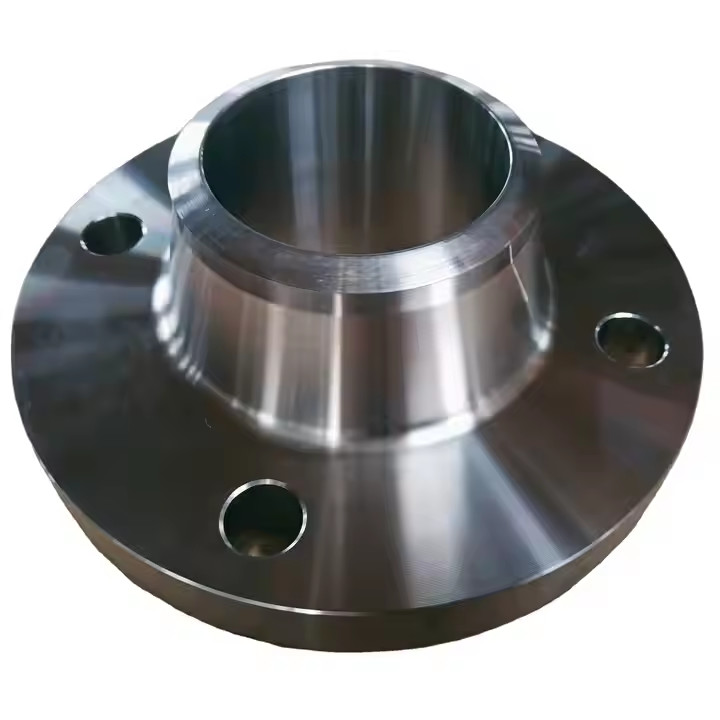
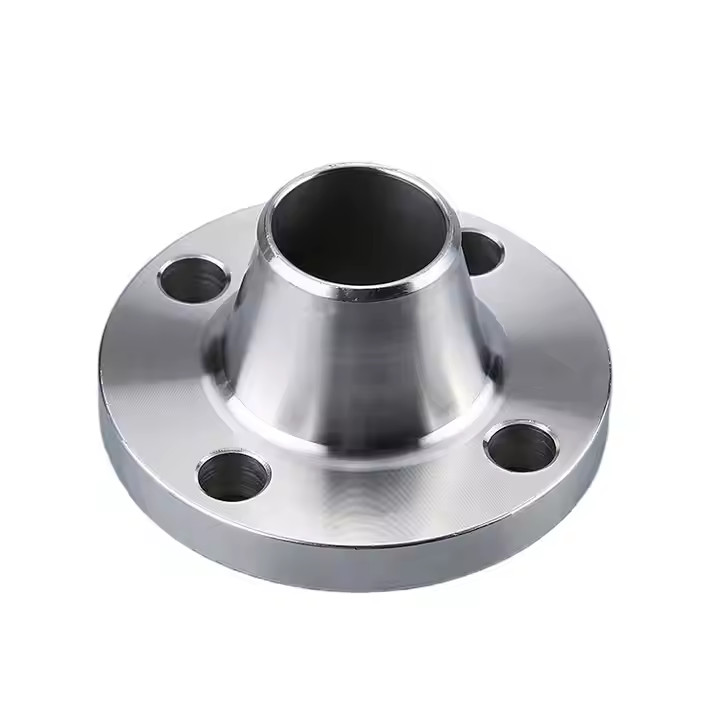
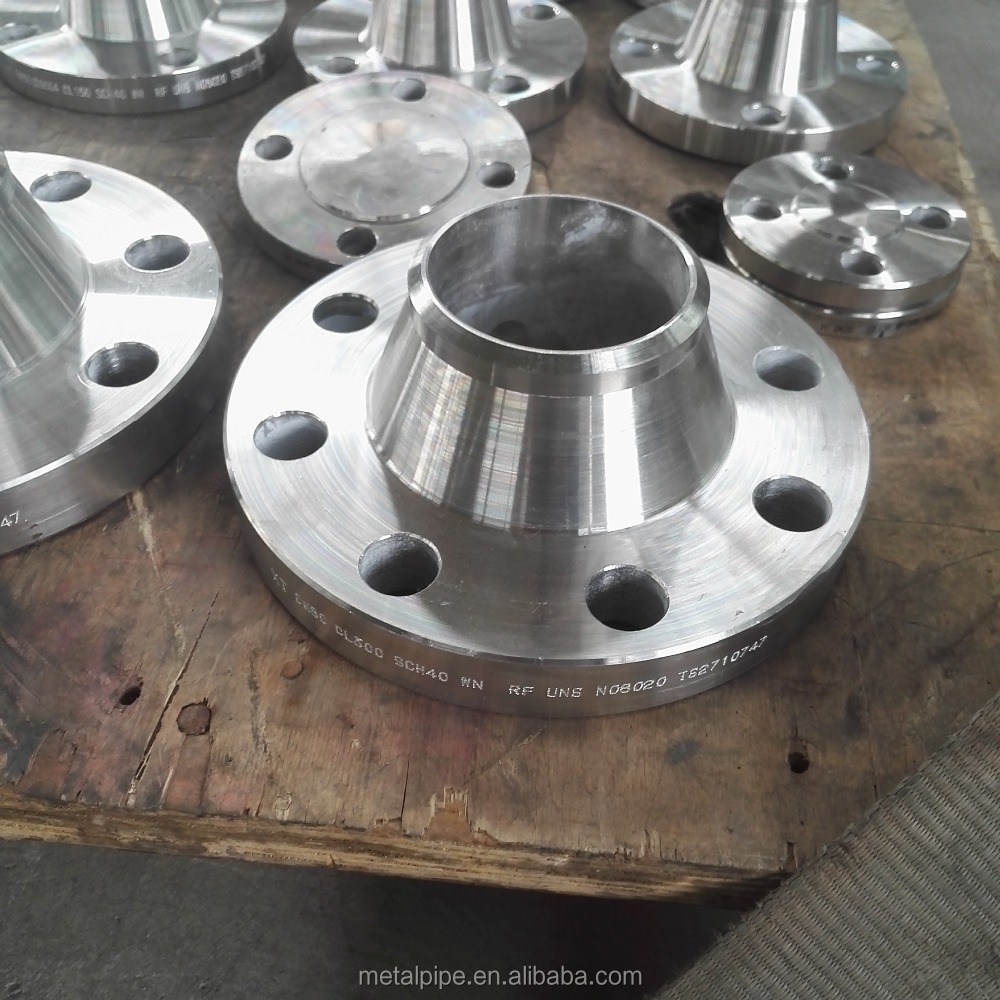
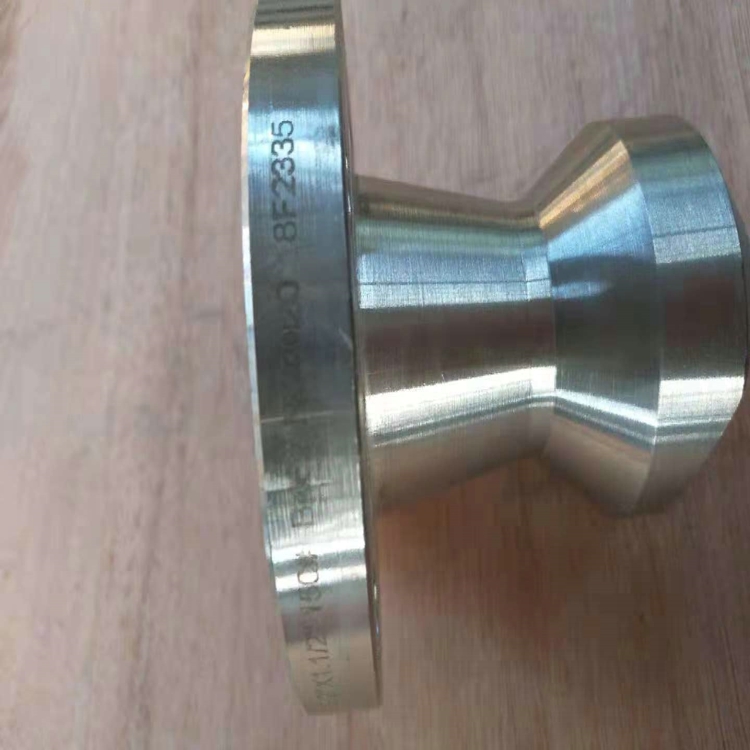
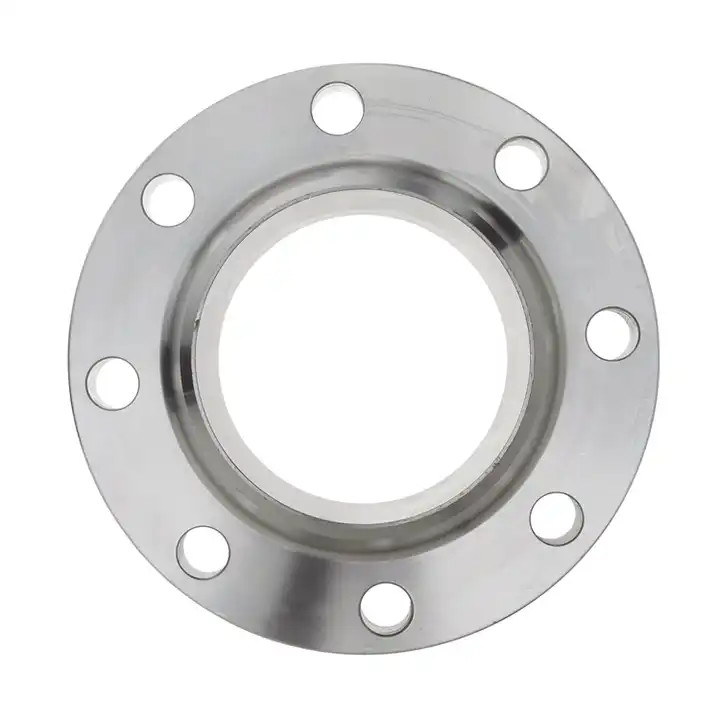
The Alloy Steel F91 Power Plant Boiler Weld Neck Flange is engineered for high temperature, high pressure steam service in power generation facilities. Forged from ASTM A182 F91 chrome-molybdenum-vanadium alloy steel, this flange maintains exceptional creep strength and oxidation resistance at temperatures up to 600 degree Celsius, making it the standard choice for supercritical and ultra-supercritical boiler piping systems.
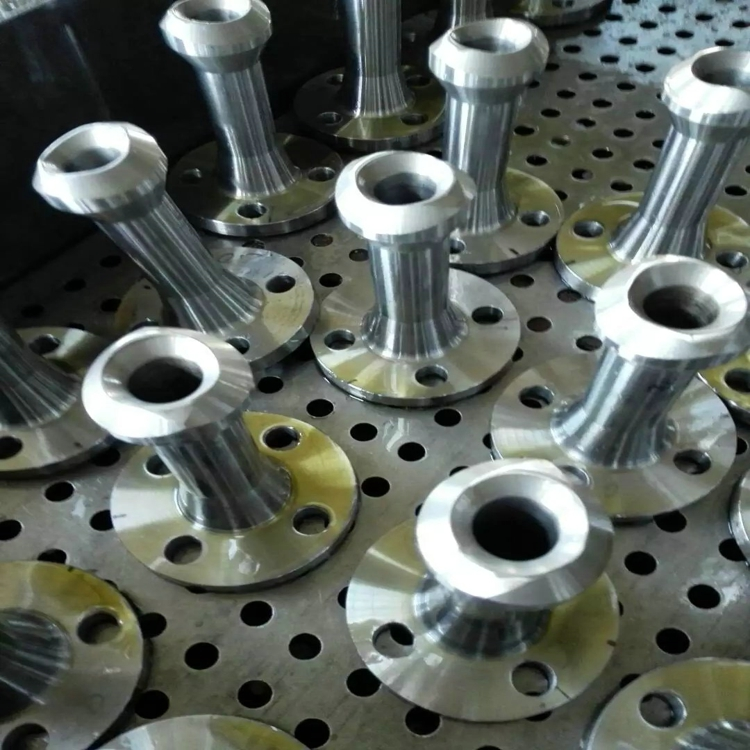
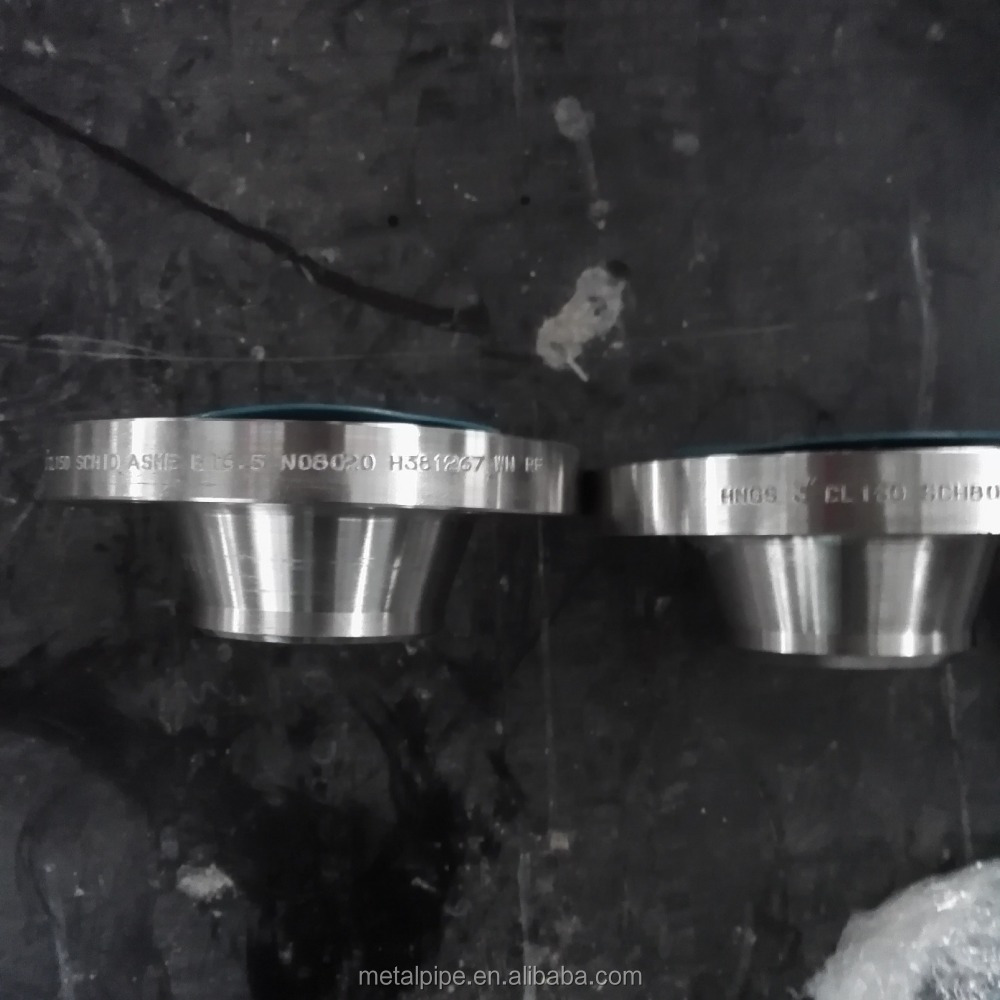
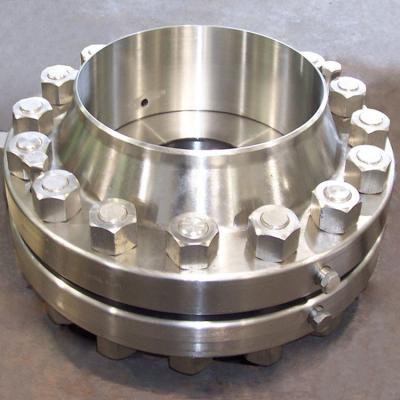
Manufactured to ASME B16.5 dimensional standards, each boiler weld neck flange features a long tapered hub that distributes stress evenly across the weld joint, reducing the risk of fatigue failure under thermal cycling. The forged F91 material is normalized and tempered to achieve a fully martensitic microstructure, delivering the combination of high strength, toughness and resistance to steam oxidation that power plant operators demand.
| Parameter | Specification |
|---|---|
| Product Name | Alloy Steel F91 Power Plant Boiler Weld Neck Flange |
| Standard | ASME B16.5 |
| Material | ASTM A182 F91, F22, F11 |
| Pressure Rating | Class 300 - 2500 |
| Face Type | Raised Face (RF) |
| Size Range | 1/2 inch - 24 inch |
| Temperature Range | Up to 600 Degree Celsius |
| Application | Power Plant Boiler Piping |


A: F91 is a 9Cr-1Mo-V alloy steel that offers a unique combination of high creep rupture strength, excellent toughness and resistance to steam oxidation at elevated temperatures. This allows power plants to operate at higher steam temperatures and pressures, improving thermal efficiency.
A: ASTM A182 F91 weld neck flanges are typically rated for continuous service up to 600 degree Celsius. For temperatures above this threshold, we recommend upgrading to austenitic stainless steel or nickel-based alloy flanges.
A: Yes, all power plant boiler weld neck flanges undergo positive material identification using X-ray fluorescence to verify alloy composition before shipment, ensuring the correct grade is supplied for your critical application.
Power plant boiler weld neck flanges are produced under a strict quality program aligned with ASME requirements. After forging, the F91 material is normalized and tempered to achieve the required martensitic microstructure, and each flange undergoes positive material identification plus hardness testing. For welded piping systems, we can also supply flanges with documented post-weld heat treatment guidance to preserve creep strength at the joint.
A: F91 weld neck flanges typically require PWHT after field welding to temper the heat-affected zone and restore creep strength. Our technical team provides welding and heat treatment recommendations to help you maintain the integrity of power plant piping systems.