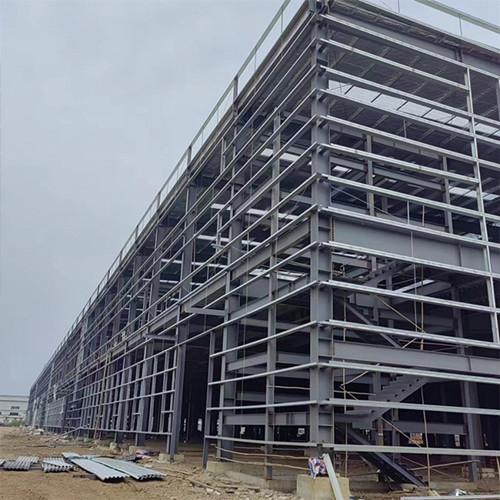
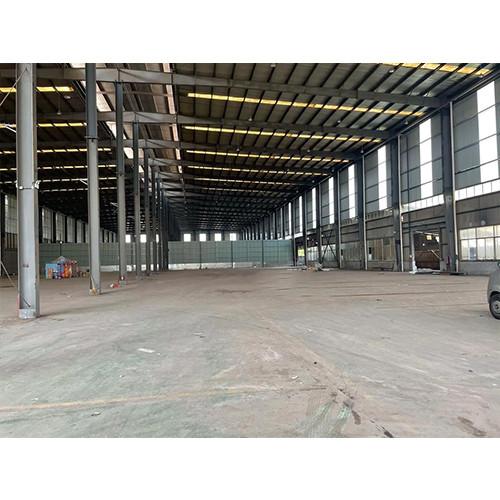
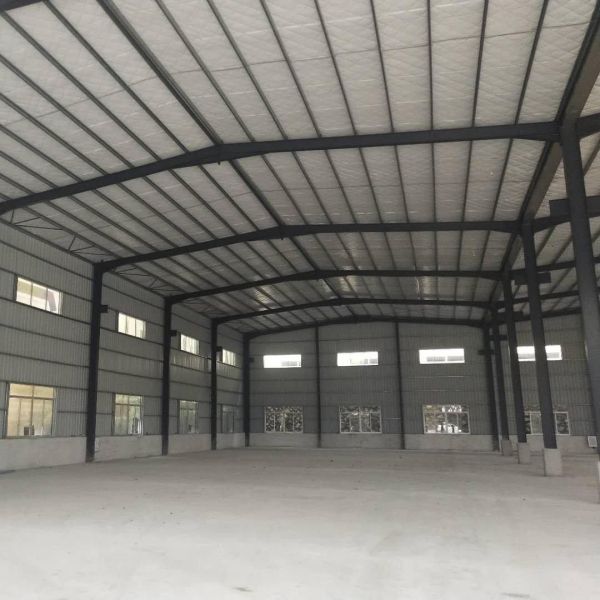
High-Quality Light Steel Structures for Versatile Building Solutions
Steel Structure Buildings - Advantages:
- Cost-Effectiveness: Lower overall project costs (materials, design, construction, maintenance) compared to traditional methods.
- Exceptional Strength & Lightweight: High strength-to-weight ratio (30-50% lighter than concrete), enabling larger structures with less material.
- Rapid Construction: Factory prefabrication + on-site assembly reduces project timelines by 30-50%.
- Superior Durability & Resilience: Withstands extreme conditions (earthquakes, high winds, heavy snow, fire). Resistant to corrosion, termites, and mildew. Lifespan of 50+ years with maintenance.
- Design Flexibility & Large Spans: Enables column-free spans (30-60m), adaptable layouts, innovative architectural shapes, and ample natural light integration.
- Sustainable & Eco-Friendly: Made from 100% recyclable materials, minimizes construction waste, and supports energy-efficient building designs.
Steel Structure Buildings - Applications:
- Industrial: Factories, Workshops, Warehouses, Aircraft Hangars, Power Plants.
- Commercial: Office Buildings, Shopping Malls, Retail Centers, Hotels.
- Public & Infrastructure: Stadiums, Arenas, Exhibition Centers, Airports, Railway Stations, Bridges, Hospitals, Museums.
- Residential: High-rise Apartments, Residential Buildings, Modular Houses, Garden Sheds.
- Energy & Utilities: Hydro Power Plants (Penstocks, Gates), Wind Farm Towers, Water/Wastewater Infrastructure.


What info is needed for a custom building?
To design and build a custom steel structure, you typically need to provide:
- Intended Use: What will the building be used for? (Warehouse, office, factory, etc.)
- Size & Dimensions: Desired length, width, height (eave height & peak height).
- Location: Site address and conditions (soil type, wind speed, snow load, seismic zone - critical for design).
- Layout Requirements: Where do you need doors, windows, cranes, mezzanines, offices, columns (if any specific placement needed)?
- Load Requirements: What weights will the floors/roof need to support? (Storage, equipment, vehicles, people, potential cranes).
- Cladding Preferences: Type of wall and roof covering (metal panels, brick, etc.), insulation needs.
- Foundation: Any existing foundation, or will a new one be built? (Impacts design).
- Budget & Timeline: Rough estimates help guide the design and feasibility.
- Special Requirements: Cranes, ventilation systems, specific clearances, fire rating needs, aesthetic preferences.
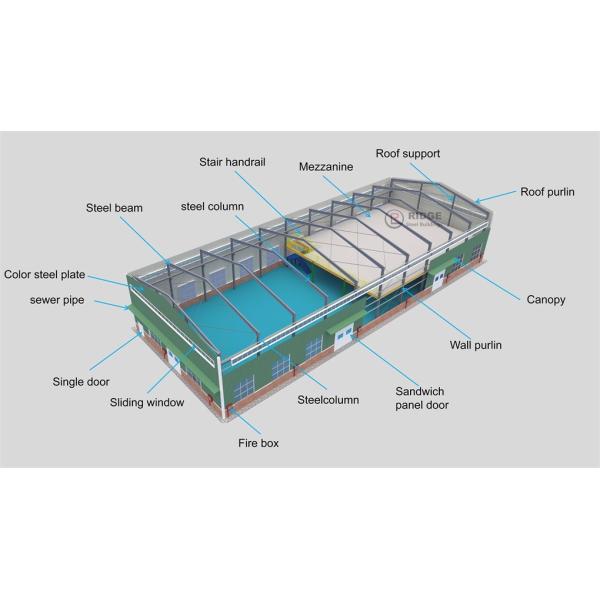
| Category |
Component Name |
Function |
Standards/Notes |
| Primary Load-Bearing Members |
Columns (Vertical) |
Support vertical loads |
High-strength low-alloy steel |
| Beams (Horizontal) |
Carry floor/roof loads |
H-section, I-section most common |
| Trusses |
Long-span roof support |
Triangular/parallel chord designs |
| Bracings (Diagonal) |
Resist wind/seismic forces |
X/K-type configurations |
| Secondary Members |
Purlins (Roof) |
Support roof panels |
Thickness: 1.5-3.0 mm |
| Girts (Wall) |
Support wall cladding |
Spacing: 1.0-2.0 m |
| Connections & Fasteners |
High-Strength Bolts |
Member connections |
M16-M30 common |
| End Plates |
Beam-column joints |
Pre-drilled bolt holes |
| Shear Studs |
Steel-concrete composite action |
Welded to beams for floor slabs |
| Enclosure Systems |
Roof Panels |
Weather protection |
Standing seam/corrugated types |
| Sandwich Panels (Walls) |
Insulation + cladding |
Fire rating: A2/B1 |
| ALC Panels (Floors/Walls) |
Fire/thermal insulation |
Density: 550-650 kg/m³ |
| Accessories |
Base Plates |
Column-to-foundation transfer |
Anchored with cast-in bolts |
| Stair Modules |
Prefabricated access |
Integrated handrails (S304 stainless) |
| Crane Rails |
Overhead crane support |
Welded to column brackets |


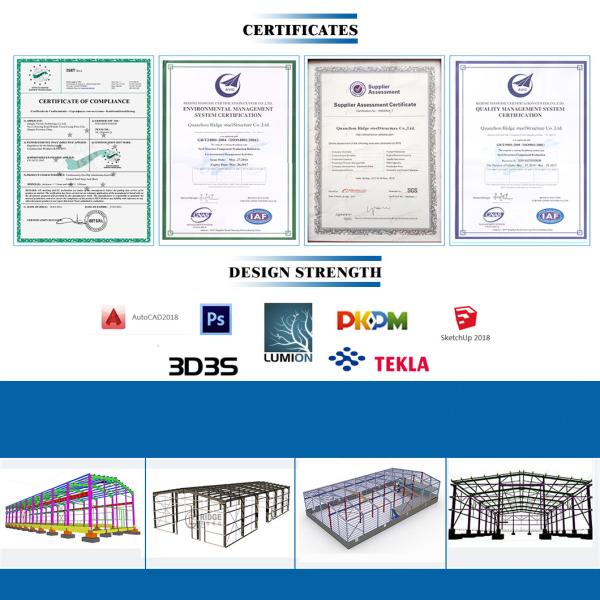
Why Choose RIDGE STEEL STRUCTURES?