100mm heavy duty cable tray
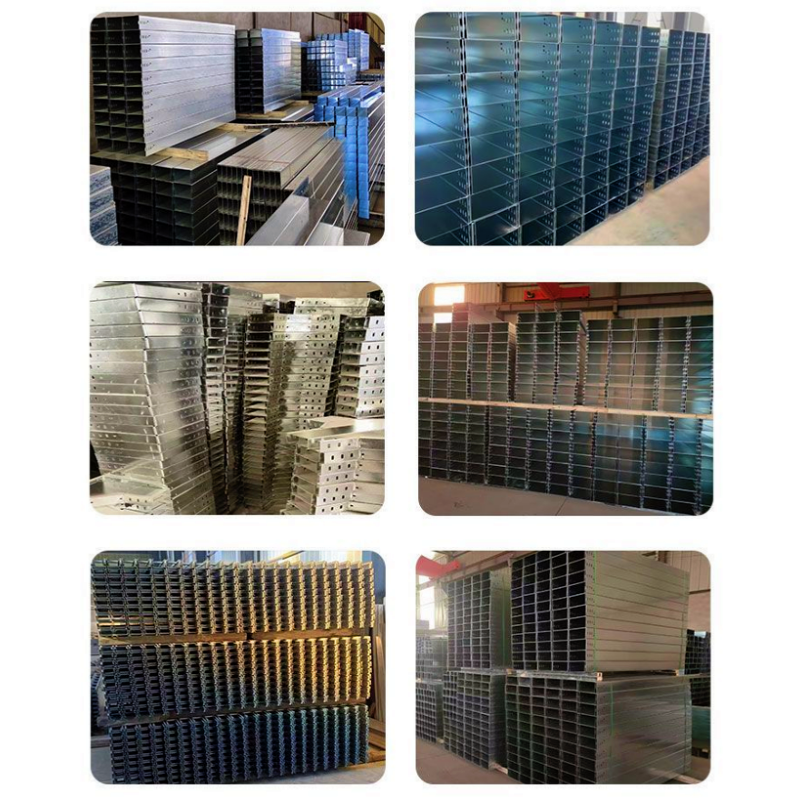
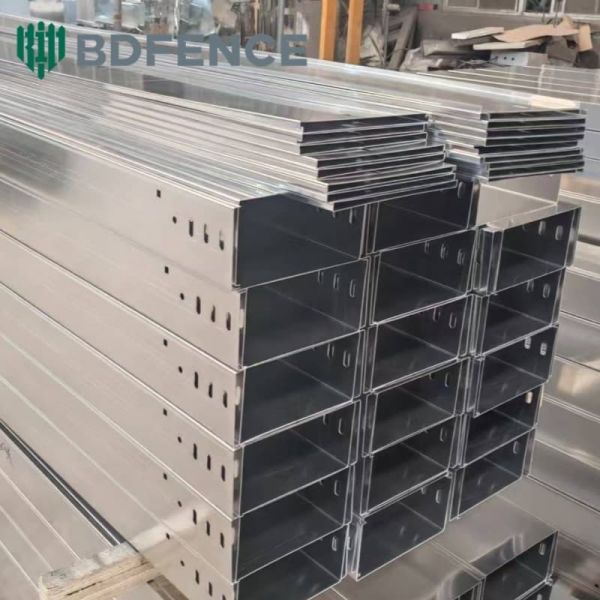
Bending company's 100mm heavy duty cable tray Heavy-duty cable trays are industrial-grade cable management systems specifically designed to carry dense, large cross-section, and high-weight power cables. Their core characteristics are high structural strength, large load capacity, and adherence to strict engineering standards.
The table below details Bending's heavy duty cable tray technical specifications, application scenarios, and key selection criteria:
| Dimension | Specific Description |
|---|---|
| Definition & Standards | Typically refers to trays that comply with load ratings of Class C or higher in the US standard NEMA VE 1 / Chinese standard GB/T 21762, or Class C and above in the European standard EN 61537. Their design requires professional structural calculation. |
| Material & Fabrication | 1. Material: Commonly high-quality cold-rolled steel plate (thickness often ≥2.0mm), high-strength aluminum alloy, or stainless steel (304/316). 2. Fabrication: High-strength welding (full penetration/fillet weld), with stiffening ribs at key points; surface treated with hot-dip galvanizing (zinc coating ≥80μm) or heavy-duty anti-corrosion coating. |
| Structural Features | 1. Deep Channel: High side wall height (often ≥150mm), providing greater cable routing space and lateral strength. 2. Thick Plates: Base/side plate thickness can reach 3.0-4.0mm. 3. Strong Connections: Uses high-strength bolts and clamp-style connection plates to ensure integrity. |
| Load Capacity | Safe working load is typically ≥200 kg/m, with large support spans (usually 3-6 meters, even up to 9-12 meters), capable of carrying multiple rows of high-voltage cables or dense busbars. |
| Core Application Scenarios | 1. Energy & Power: Main cable passages in power plants, substations. 2. Heavy Industry: Power cable routing in steel, petrochemical, and shipbuilding plants. 3. Transportation Hubs: Power supply trunk lines in airports, subways. 4. Data Centers: Main distribution frame (MDF) to zone distribution cabinet trunk trays. |
| Key Selection Criteria | 1. Precise Calculation: Must perform load and deflection calculations based on total cable weight, distribution, and support span. 2. Environmental Suitability: Choose galvanized, stainless steel, or aluminum alloy according to the corrosive environment. 3. Complete Certification: Requires third-party load test reports and material certificates. |
The core difference of heavy-duty trays lies in their "engineered structural nature", not merely an increase in plate thickness:
Design Basis: Light/medium-duty trays are often selected per standard specifications, while heavy-duty trays require project-specific independent structural design.
Safety Factor: Heavy-duty trays use a higher safety factor (typically ≥1.5) and consider dynamic loads, wind loads, snow loads, seismic loads, etc.
Installation Requirements: Extremely high demands on the strength, stiffness, and installation precision of hanging supports and seismic bracing, requiring systematic design.
Provide Parameters: Clearly inform suppliers of the cable schedule (specifications, weight, layout), support point locations & spans, and installation environment.
Request Calculation Documents: Must obtain load calculation sheets and deflection analysis reports signed/sealed by engineers.
Focus on Connectors: Verify the strength grade of connection plates and bolts, as they are often weak points in the system.
Plan for the Future: The design should include a 20%-30% expansion margin.
Summary: The essence of a heavy-duty cable tray is a customized cable support structural component, not a standard product. The key to its successful application lies in accurate preliminary calculations, qualified manufacturing processes, and professional installation to ensure it safely and reliably carries the critical power lifeline for decades.
If you need selection analysis for a specific project scenario (e.g., cable gallery in a chemical plant), I can provide more detailed technical parameter references.