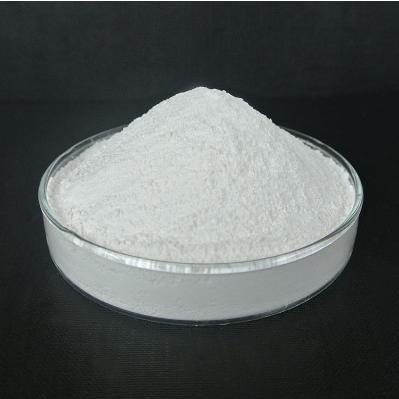
Powered PVC raw material low volatility Calcium zinc heat stabilizer for Textilene non-toxic
Product features:
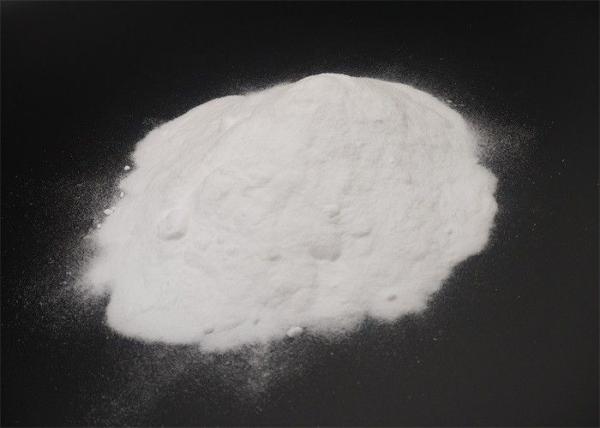
The product is non-toxic and tasteless, does not contain lead, cadmium, barium and other toxic heavy metals, the product has passed SGS certification. Excellent initial stability and long-term stability. The product has good weather resistance. Very low volatility. It has good synergistic effect with epoxy soybean oil.
Technical Specifications:
| Item | Index |
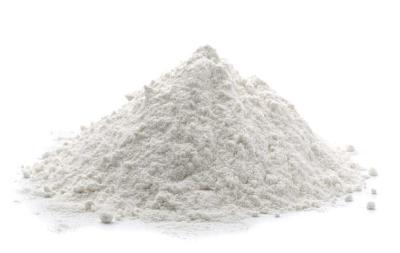
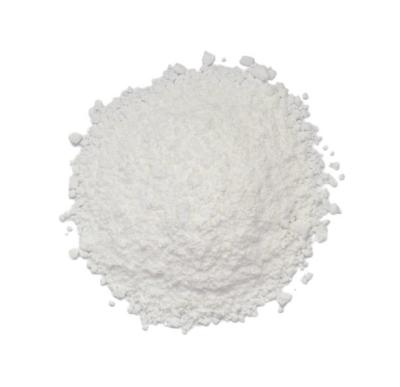
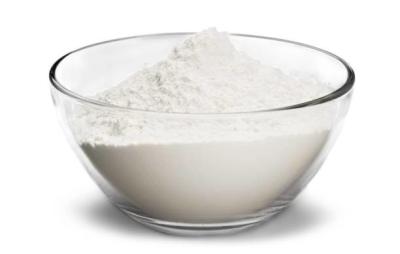
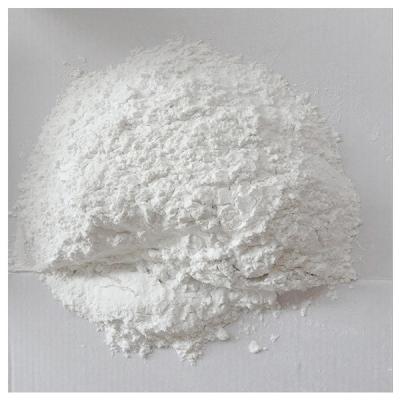
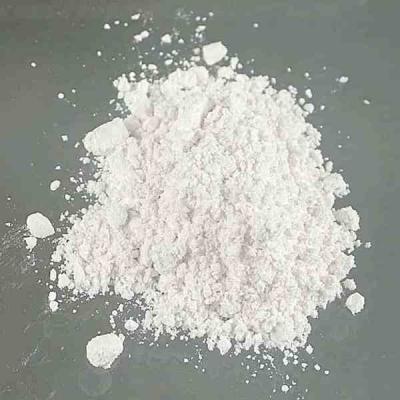
| Appearance | white powder |
| Metal oxide content%, ≥ | 18 |
| Volatile%, ≤ | 1 |
| Thermal stability time, ≥ | 70 |
Applications:
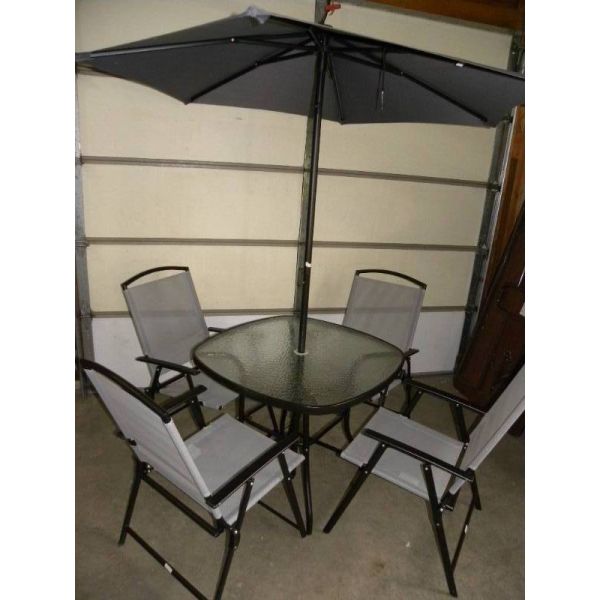
LC7238 applicable to the general soft,semi-rigid enviromentally friendly non-toxic PVC injection molding extrded products. Especially textilene
Recommended dosage:
| Name of raw material | Reference dosage |
| PVC | 100 |
| Plasticizer | Appropriate amount |
| Epoxy soybean oil | 3-5 |
| stabilizer | 3-5 |
| other | Appropriate amount |
Packing and Storage:
25kgs/paper bag. Store under room temperature and dry conditions.
Technial support:
We have more than 20 years of experience in granulation and 13 years of experience in stabilizer production. We can provide technical support to the manufacturer to improve the stability of PVC and reduce the cost.
FAQ:
1.What is stabilizer in plastic?
Stabilizers are a class of chemical additives commonly added to polymeric materials, such as plastics, to inhibit or retard their degradation.
2.What is a stabilizer for?
From Wikipedia, the free encyclopedia. In industrial chemistry, a stabilizer is a chemical that is used to prevent degradation. Heat and light stabilizers are added to plastics and elastomers because they ensure safe processing and protect products against aging and weathering.
3.Why would you add a Stabiliser to plastic? In plastics this can cause discoloration and embrittlement, which can reduce the useful lifespan of the object. Stabilizers are used to prevent this by inhibiting the various degradation processes such as oxidation, chain scission and uncontrolled recombinations and cross-linking.
4.What are the disadvantages of PVC?
In spite of its popularity and advantages, there are some disadvantages of PVC also. Due to their non-decomposing properties, plastic pipes are not installed in high temperatures. Because at high-temperature areas, the strength of plastic pipes decreases. Due to its thinner styles, it is easily cracked.
]